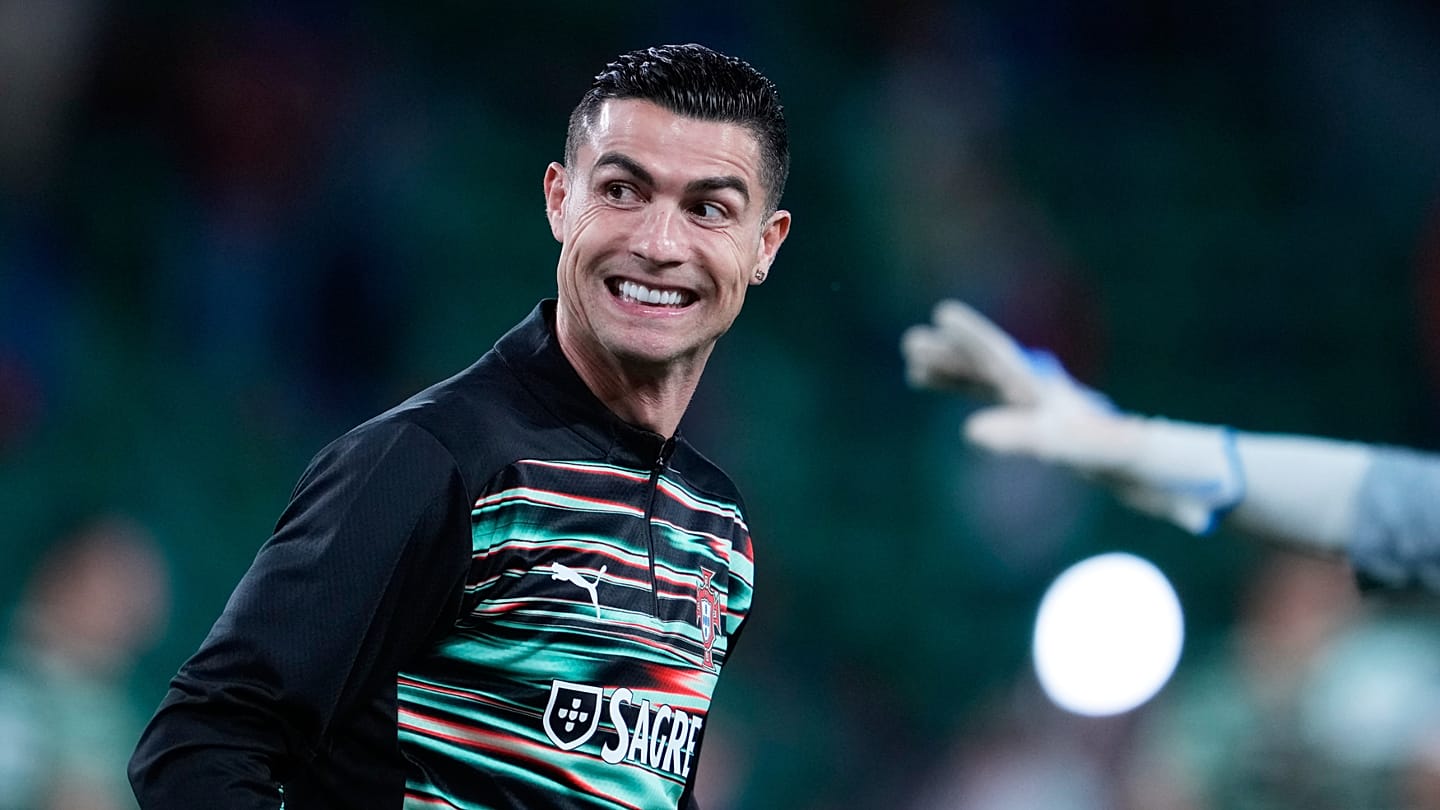
Cristiano Ronaldo, the Portuguese football icon, continues to diversify his business interests with the acquisition of a free sports streaming service. The move comes as the 2026 World Cup approaches, with the platform set to broadcast 34 matches from the tournament live and at no cost to viewers.
The streamer will carry all matches of the Portuguese national football team, a significant draw for fans of the Seleção. Ronaldo, who has long been a global ambassador for the sport, is positioning his new venture to capture a broad audience across Europe and beyond.
A Strategic Play in Sports Media
The acquisition marks Ronaldo's latest foray into the media landscape, following his earlier investments in digital platforms and lifestyle brands. By securing World Cup broadcasting rights, he is tapping into a massive viewership event that traditionally drives high engagement. The 2026 tournament, hosted by the United States, Canada, and Mexico, will be the first to feature 48 teams, increasing the number of matches and potential audience.
For European viewers, the platform offers an alternative to subscription-based services, which have become increasingly fragmented. Ronaldo's move could disrupt the market, especially in Portugal and other football-loving nations. The free-to-air model may appeal to fans wary of rising costs, particularly amid broader economic pressures. As EU business investment hits an 11-year low, such ventures highlight the resilience of individual entrepreneurs.
The Portuguese star's business empire already includes a clothing line, hotels, and a digital media company. This latest addition underscores his ambition to build a lasting legacy beyond the pitch. With the World Cup less than two years away, the timing is deliberate, leveraging his personal brand to drive subscriptions and advertising revenue.
Ronaldo's involvement could also boost the visibility of the tournament in Europe, where football remains the dominant sport. The platform's free access may encourage broader viewership, particularly in markets where pay-TV penetration is lower. However, the move also raises questions about the sustainability of free streaming, given the high costs of broadcasting rights.
Industry analysts note that Ronaldo's star power could attract sponsors and advertisers, offsetting some expenses. His social media following, one of the largest in the world, provides a built-in marketing channel. The platform is expected to launch in multiple languages, targeting fans across the continent.
This development comes as European sports media faces rapid change, with traditional broadcasters competing against digital-native platforms. Ronaldo's entry adds a high-profile player to the mix, potentially reshaping how fans consume live football. For Portugal, the guarantee of free access to national team matches is a significant win for supporters.
As the 2026 World Cup draws nearer, Ronaldo's business move will be closely watched. It represents a convergence of sports, media, and entrepreneurship, reflecting broader trends in the industry. Whether it succeeds will depend on execution, but the foundation is set for a bold experiment in free sports streaming.