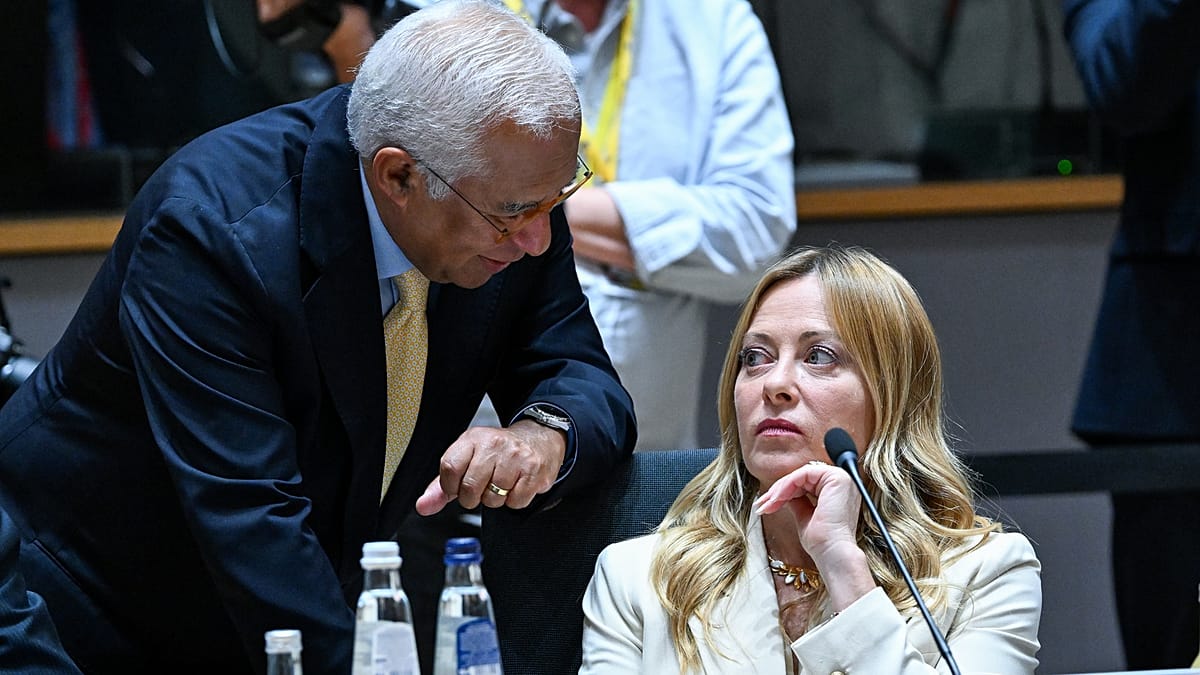
As Washington signals a possible breakthrough in ending Russia's war in Ukraine, European capitals are increasingly at odds over how to present a united front. The latest friction came from Italian Prime Minister Giorgia Meloni, who sent a sharply worded letter to European Council President António Costa, denouncing what she called an uncoordinated approach to the peace talks.
Meloni's protest follows a series of overlapping diplomatic formats: an EU-hosted meeting in Brussels with France, Germany, the UK and the US, and an earlier gathering in Oslo convened by the Norwegian Prime Minister and Finnish President. Italy had representatives at both, but Meloni argues that the multiplicity of forums is undermining Europe's credibility on the world stage.
A call for one voice
Costa responded swiftly, insisting that EU involvement in the negotiations "must be organised in a manner that enables it to convey a clear and unified message, to defend its interests and to support Ukraine." The issue is now set for discussion when the EU's 27 leaders meet informally in Dublin next week.
Meloni is not alone. Polish Foreign Minister Radosław Sikorski echoed her grievances on Thursday, calling for "legitimate representation" under the Lisbon Treaty, which designates either Costa or the EU's High Representative, Kaja Kallas, as the bloc's foreign policy voice. Sikorski, speaking in Warsaw, also stressed that the UK and Norway should be included in that single channel.
"The last thing we want is Western Europe dealing with Russia, over the heads of Eastern Europe," Sikorski said. "You cannot leave Eastern Europe and Scandinavia out of the conversation. We are about 120 million people. Finland borders Russia, Norway borders Russia, the Baltics border Russia, and Poland borders Russia and Ukraine."
Austria's Foreign Minister, Beate Meinl-Reisinger, has also aligned with Meloni, saying the EU approach lacks "strategic coordination."
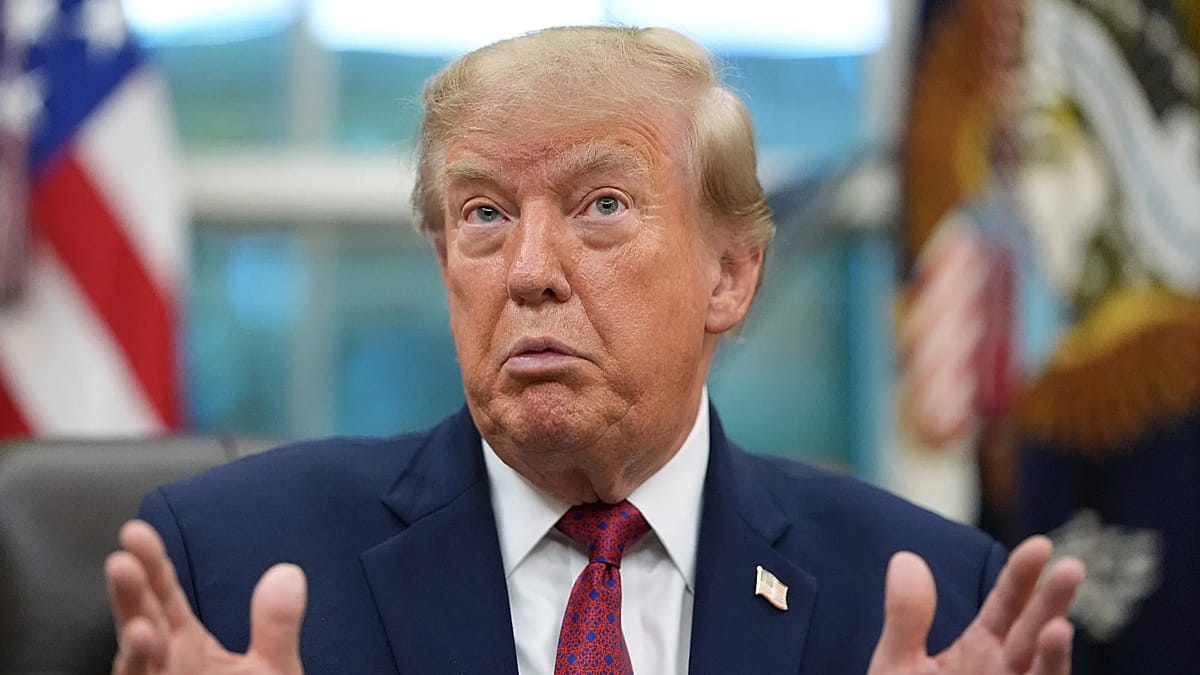
The discord comes as US President Donald Trump raised the prospect of a "big, beautiful" deal to end the conflict, claiming a pact is close. Trump's remarks followed an unplanned meeting in Washington with Russian President Vladimir Putin's special envoy, Kirill Dmitriev. Trump told reporters the agreement would be "very big" and "involve more than Ukraine," possibly "all of Europe."
Those talks followed unusual scenes at the White House, where Ukrainian and Russian officials sat together at a meeting hosted by First Lady Melania Trump, after a rare humanitarian ceasefire in Russian-occupied Oleshky. Dmitriev said Putin had personally ordered the operation and conveyed his thanks to Melania Trump, without mentioning that Russian forces seized Oleshky in 2022 and have since left residents facing severe shortages and abuses, according to the Institute for the Study of War.
Meanwhile, in Warsaw, Prime Minister Donald Tusk said he is ready to meet President Karol Nawrocki to defuse a constitutional crisis over the appointment of judges to the Constitutional Court. Nawrocki barged into the tribunal over the weekend to denounce the judges, but Tusk believes the legal issue is resolved. Justice Minister Waldemar Żurek accused Nawrocki of abusing his veto power and trying to impose a presidential system by "fait accompli," and said he would be open to mediation from Brussels.
On energy, Polish officials are alarmed by any suggestion of resuming Russian gas purchases as part of a peace deal. Energy Minister Miłosz Motyka called the idea "absurd," warning it would leave Europe vulnerable to Putin's blackmail and damage transatlantic relations. "If someone is deluding themselves by thinking they can buy time by buying Russian gas, it's a very short-sighted and a very expensive game to play," he said.
In EU budget negotiations, Deputy Minister Ignacy Niemczycki warned against linking the next EU budget to new financing for Ukraine, as the frugal camp wants. He argued the two issues are separate and tying them together could "backfire." A frugal diplomat countered: "There is no money tree in Brussels, so we need to make political choices."
Today, the European Commission is due to present its annual Asylum and Migration Report, which assesses migratory pressure and member states' compliance. The report is running late for the second year in a row, partly because it touches sensitive nerves, including Italy's refusal to accept returns under the Dublin rules, a point of contention with Berlin.
As European leaders prepare for Dublin, the central question remains whether they can forge a coherent strategy on Ukraine—or continue to speak in competing voices.