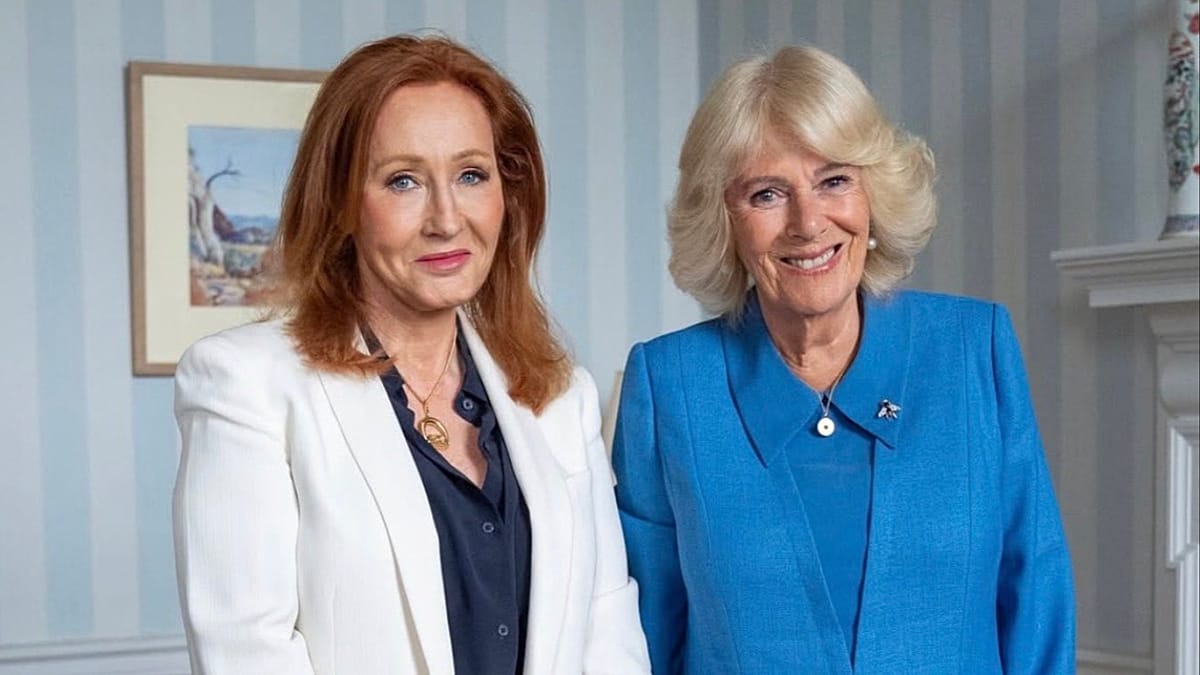
Queen Camilla met with Harry Potter author J.K. Rowling in Edinburgh on 30 June to mark the start of Royal Week in Scotland, a celebration of Scottish culture and achievements. The pair discussed their shared commitment to encouraging young people to read, with the Royal Family stating they had a deep commitment to children reading for pleasure and that the meeting highlighted the vital role of books in opening doors for future generations.
However, the timing of the meeting—coinciding with the end of Pride month—and Rowling's well-documented views on transgender issues have triggered widespread criticism. Rowling has repeatedly made statements that many consider transphobic, leading to her being labelled a TERF (transgender-exclusionary radical feminist). Her comments have drawn condemnation from figures such as actor Daniel Radcliffe and author Stephen Fry, who last year described her as a lost cause.
Backlash Over Timing and Platform
Social media users were quick to call the meeting tone-deaf. One post read: "During Pride month, this is a statement." Another user wrote: "There are many other admirable individuals to spotlight who champion reading for children and young people." A third commented: "As an admirer of the Queen and her Reading Room I’m deeply disappointed in her giving a platform to JKR, any month but especially during Pride Month."
The controversy comes amid broader debates in the UK about gender identity. In April 2025, the UK Supreme Court ruled that the term 'woman' in law refers to a biological female, not gender identity. That ruling has further polarised public opinion, and Rowling's views align with the court's interpretation.
Queen Camilla's Reading Room initiative, which promotes literacy, has been a key part of her public work. Yet critics argue that by choosing Rowling as a partner, the monarchy risks alienating LGBTQ+ communities and appearing out of touch. The Royal Family has not commented on the backlash beyond the initial statement about the meeting's purpose.
This incident also highlights the delicate balance the British monarchy must strike in a modern, diverse society. While the Crown traditionally avoids political controversy, its engagements can inadvertently amplify divisive voices. The meeting in Edinburgh, a city with a strong progressive identity, has added to the sense of misjudgment.
For context, the UK's relationship with the European Union remains complex, and the monarchy's actions are often scrutinised for their symbolic weight. The backlash over this meeting may further strain public trust in an institution already facing questions about relevance and transparency, as seen in recent debates over royal finances.