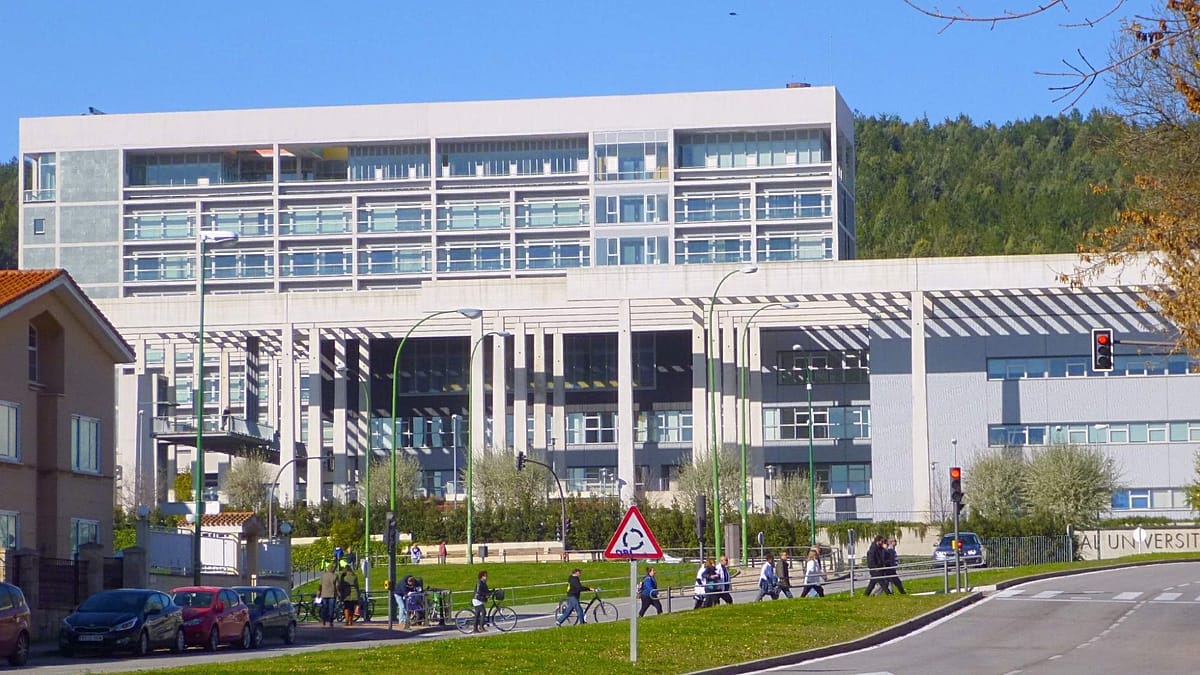
Another cancer patient has died as a result of a medication error at the University Hospital of Burgos, a public hospital in northern Spain, bringing the total number of fatalities to three. The patient had been in critical condition since receiving an overdose last December and ultimately could not recover, hospital officials confirmed.
The incident dates back to December 2024, when five patients undergoing cancer treatment were administered significantly higher doses of a medication than prescribed. The error occurred during the preparation of the drug, when an incorrect concentration was mixed, leading to all five patients receiving excessive amounts.
Investigation Underway
Two of the five patients died shortly after receiving the treatment. The third patient had been in intensive care since the incident and died after several months. The remaining two patients have since improved and been discharged from the hospital.
Spanish authorities have opened a judicial investigation to determine who bears responsibility for the error, with potential charges of serious professional negligence under consideration. The case has drawn attention to patient safety protocols in Spanish hospitals, particularly in oncology departments where precision in drug dosing is critical.
The University Hospital of Burgos is part of the public health system of Castile and León. Hospital management has expressed regret and pledged full cooperation with the investigation. They have also initiated an internal review of medication preparation procedures to prevent future errors.
This tragedy underscores the importance of rigorous safety checks in hospital pharmacies. Similar incidents have occurred elsewhere in Europe, prompting calls for standardized protocols. For instance, enhanced oral care in hospitals could slash pneumonia risk by 60%, highlighting how systemic improvements can reduce patient harm.
The case also raises broader questions about accountability in public healthcare. In Spain, medical negligence cases are handled by the judiciary, and this investigation will likely set a precedent for how such errors are prosecuted. The families of the deceased have demanded justice and reforms to ensure such a tragedy does not recur.
Meanwhile, the two surviving patients are recovering at home, though they may face long-term health consequences from the overdose. Their identities have not been disclosed, in line with Spanish data protection laws.
The incident has sparked debate about the pressures on hospital staff and the need for investment in safety technologies, such as barcode scanning for drug administration. As Europe's healthcare systems grapple with aging populations and rising costs, ensuring patient safety remains a paramount challenge.