Amazon has reached a critical milestone in its bid to challenge SpaceX's Starlink, announcing that its Leo satellite internet service will begin commercial operations later this year. The company now has more than 390 satellites in orbit, following the launch of 29 additional units aboard a United Launch Alliance Atlas V rocket early Thursday.
Chris Weber, vice president of business and product for Amazon Leo, confirmed on X that the current constellation is "enough to support continuous service across initial latitudes." This marks the most significant step forward for the project since its announcement in 2019, when Amazon first revealed plans to build a low-Earth orbit satellite network.
From Project Kuiper to Amazon Leo
Originally known as Project Kuiper, the initiative was rebranded as Amazon Leo in November 2025. The company aims to deploy a constellation of roughly 3,236 satellites, though progress has been slowed by a shortage of rocket capacity and several launch setbacks.
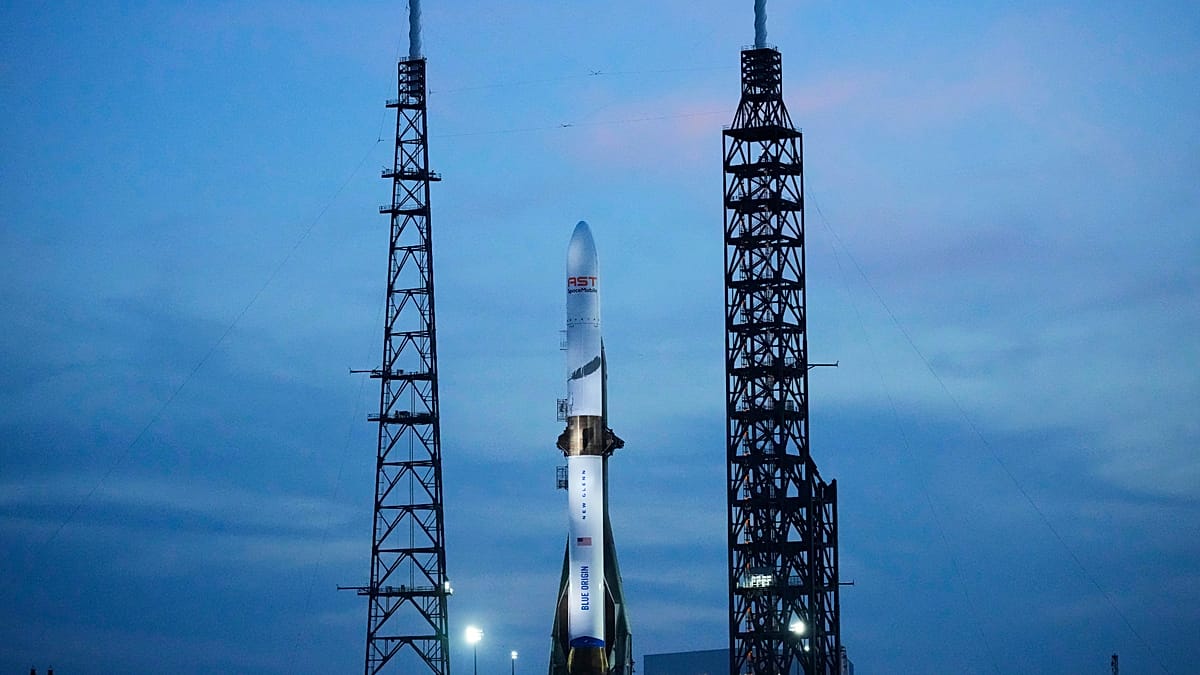
The most serious incident occurred on 28 May, when a New Glenn rocket owned by Blue Origin—founded by Amazon executive chairman Jeff Bezos—exploded during a hot-fire ground test at Cape Canaveral Space Force Station in Florida. The rocket had been scheduled to carry 48 Amazon Leo satellites into orbit. Amazon stated that its satellites were never integrated with the rocket and remain secure at its processing facility.
Blue Origin CEO Dave Limp said the company is working to return New Glenn to flight this year, using a redesigned launch configuration rather than rebuilding the damaged pad. Amazon maintains that its broader launch plans remain on track, with the next Leo mission set to use ULA's Vulcan heavy-lift rocket, which can carry larger payloads and is expected to accelerate deployment.
Amazon Leo currently ranks as the third-largest satellite constellation, behind Starlink's more than 10,400 active satellites and OneWeb's roughly 650. The company faces stiff competition from SpaceX, which has a substantial head start in the satellite internet market. However, Amazon's entry could reshape the landscape, particularly for European users seeking alternatives to Starlink's dominance.
For European consumers and businesses, the arrival of Amazon Leo could offer more choice and potentially lower prices for satellite internet services. This is especially relevant in rural and remote areas across the continent, where terrestrial broadband infrastructure remains limited. Countries like Spain, which has extended anti-crisis measures and launched its 2027 budget process, could benefit from improved connectivity as part of broader digital transformation efforts.
The satellite internet race also has implications for European space policy. The European Union has its own plans for a secure satellite constellation, IRIS², which aims to provide government and commercial services. Amazon's entry could spur further investment and innovation in the sector, though it also raises questions about reliance on US-based providers for critical infrastructure.
Amazon's broader ambitions in space extend beyond internet services. The company has been involved in other ventures, such as the $10.7 million payment to Trump for a Melania documentary, which highlights its diverse media interests. However, the Leo project remains a core part of its strategy to expand its technological footprint.
As Amazon prepares to launch its commercial service, European regulators will be watching closely. The European Commission has been increasingly focused on digital sovereignty and competition in the tech sector. Any dominance by US companies in satellite internet could prompt calls for stronger oversight or incentives for European alternatives.
For now, Amazon Leo's launch later this year will be a key test of its ability to compete with Starlink. With a growing constellation and plans for rapid deployment, the company is positioning itself as a serious contender in the race to connect the world from space.