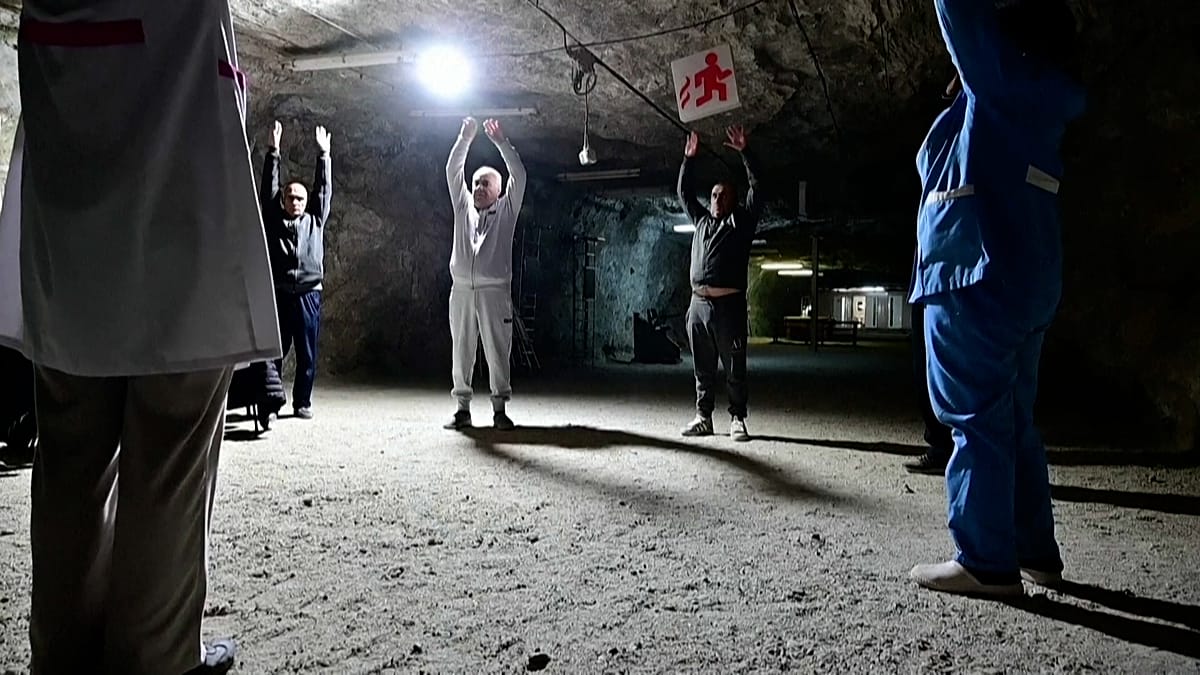
Deep beneath the streets of Yerevan, a relic of Soviet healthcare faces an uncertain future. The Republican Centre of Speleotherapy, a hospital located 235 metres underground in a converted salt mine, has become a focal point in Armenia's debate over evidence-based medicine and traditional therapeutic practices. For decades, it offered state-funded treatment for asthma and allergies, but now it operates on the brink of closure after the government severed its financial support.
A Subterranean Sanctuary
The treatment, known as speleotherapy, involves patients spending prolonged periods in the stable, mineral-rich atmosphere of the underground salt caves. Proponents argue the environment—free from allergens, pollution, and temperature fluctuations—offers unique healing properties. "The air here is ionised, and the temperature is constant year-round, 19–20°C," explains Doctor Anush Voskanyan, who has worked at the clinic since it opened in 1987. "There are no surface magnetic radio waves, noise, dust, or allergens. Thanks to all these factors, we obtain the healing effect."
Patients like Armen Stepanyan, a 63-year-old mechanical engineer from Kemerovo in Russia, are fervent believers. Suffering from severe asthma, he has made the journey to Yerevan for treatment 13 times over more than a decade. "I thought it was salvation," he says of his first visit. "After that, I came to Yerevan every year." Inside the vast tunnels, patients rest on beds, exercise, or participate in group sessions while doctors monitor their respiratory functions.
A Clash of Medical Philosophies
The centre's crisis began in 2019 when the Armenian government, implementing universal healthcare reforms, cut its funding. Officials stated the treatment did not meet the evidence-based standards required for public financing. This move reflects a broader tension across parts of Europe between institutionalised modern medicine and longstanding regional wellness traditions, such as the spa and sanatorium culture prevalent in Central and Eastern Europe.
Critics point to a lack of large-scale, conclusive scientific studies proving speleotherapy's efficacy. With limited healthcare budgets, Armenian authorities argue priority must go to treatments with stronger empirical support. The funding withdrawal has drastically reduced patient numbers and jeopardised the facility's survival. "Our centre is currently facing a crisis," says Dr. Voskanyan. "The centre is at risk and may be forced to close down completely."
This story intersects with wider European trends in health and wellness. As discussed in our report on Europe's longevity retreats, there is a growing, yet often contested, integration of alternative therapies into mainstream health consciousness.
"We hope that investors will come forward and that the centre will be revived," says Dr. Anush Voskanyan.
Searching for a Future
The government's current strategy involves privatising its share of the facility, pinning hopes on private investment or medical tourism to sustain it. This potential shift to a private model highlights how niche health services are navigating post-Soviet transitions and evolving European healthcare landscapes. The clinic's fate is also tied to Armenia's complex geopolitical and economic context, including its efforts to stabilise relations with neighbours, as seen in the recent first cross-border trade with Azerbaijan in years.
For now, the salt caves remain open, a quiet, dimly lit world where patients seek respite from chronic conditions above ground. Their continued journeys to Yerevan underscore a persistent faith in this underground therapy, even as its place within a modern, evidence-driven medical system hangs in the balance. The clinic stands as a monument to a specific healthcare history, now caught between tradition, science, and economic reality.