In a move that underscores the intricate trade-offs behind European sanctions policy, Azerbaijani President Ilham Aliyev on Wednesday signed a decree pardoning several convicted individuals, including French citizen Martin Ryan. Ryan's release came as part of a broader arrangement with Paris that saw Uzbek-Russian oligarch Alisher Usmanov removed from the EU's Russia sanctions list.
Ryan, a French businessman, was arrested in December 2023 and later sentenced to ten years in prison on espionage charges. Baku accused him of gathering information on Azerbaijan's armed forces for France's foreign intelligence service, the DGSE. French authorities have consistently challenged the proceedings, describing them as arbitrary and based on an unfair trial.
According to a statement from Azerbaijan's presidential office, the pardon was granted "based on the principles of humanism" and took into account "the personality, health, family status of the convicted persons, the nature of the crimes they committed and the degree of public danger, the period of their sentence and their behaviour during that period." Ryan was released alongside 19 other prisoners, four of whom are foreign nationals, though none are EU citizens.
The release follows a significant development in Brussels. On Tuesday, the EU renewed its sanctions list of more than 2,600 individuals and entities deemed close to the Kremlin or supportive of Russia's war in Ukraine. However, France secured Usmanov's removal as part of the prisoner release deal, a decision that has already drawn criticism from several member states.
A controversial delisting
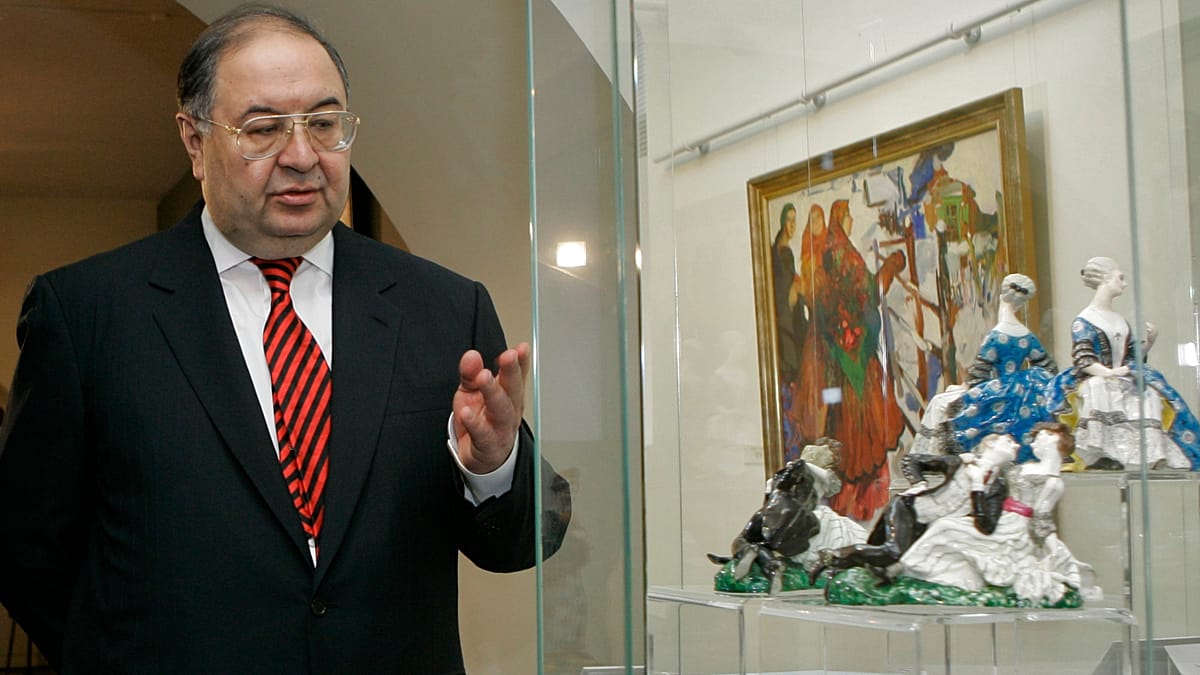
Usmanov, a metals magnate with ties to both Russia and Uzbekistan, had been under EU sanctions since 2022. His delisting has sparked concern among diplomats and human rights advocates, who argue that it sets a dangerous precedent. Latvia's prime minister has warned against "cherry-picking" sanctions, and the country's foreign ministry has cautioned that such deals risk normalising Russia in the eyes of the international community.
Ukraine has also voiced alarm. President Volodymyr Zelenskyy had urged the EU to keep Usmanov and Fridman sanctioned as the deadline for renewal approached, and Kyiv has warned against political delistings that could undermine the bloc's credibility.
The deal with Azerbaijan was not limited to Ryan. Another French national, Anass Derraz, a water-management executive, was reportedly part of the agreement. Derraz was sentenced to 12 years in prison for allegedly accepting a bribe in 2018 from an Azerbaijani-Russian businessman in connection with efforts to free an impounded yacht. He remains in detention for now.
Last week, Euronews reported that Paris was pushing for Usmanov's removal to secure the release of the two French nationals. The Azerbaijani government had signalled that a presidential pardon would be issued, which materialised on Wednesday.
The episode highlights the delicate balance between diplomatic pragmatism and the integrity of EU sanctions. While France has defended the move as necessary to protect its citizens, critics argue that it undermines the bloc's collective stance on Russia. The European Commission has yet to comment formally, but the debate is likely to intensify in the coming weeks.
For now, Ryan is expected to arrive in Paris on Wednesday, where he will be reunited with his family. The French government has welcomed his release, though it has not commented on the specifics of the deal. The broader implications for EU unity, however, remain a subject of intense discussion.