When Connie Ziegler was diagnosed with juvenile rheumatoid arthritis as a toddler, her treatment journey spanned decades. In her early twenties, she began biological therapy. Then, about ten years ago, her doctors recommended switching to a biosimilar—a move that initially sparked concern.
"I was concerned when I was told that I was going to switch to a biosimilar, would it work just as well?" recalls Ziegler, now a patient advocate in Denmark. "But I also thought, well, they would not give it to me if that was not OK."
Her experience mirrors that of thousands of Danish patients who have successfully transitioned to biosimilars in recent years. Denmark has emerged as a European frontrunner in adopting these cost-effective alternatives, backed by robust patient monitoring systems.
What Are Biosimilars?
The European Medicines Agency (EMA) defines biosimilars as biological medicines that are highly similar to an already approved reference medicine in terms of structure, biological activity, efficacy, safety, and immunogenicity. Unlike generic drugs—which are exact chemical copies—biosimilars contain biological material such as bacteria, yeast, or proteins, and may exhibit minor variations in their active substance due to their biological nature.
Despite these differences, biosimilars undergo rigorous EU testing and approval. The EMA's scientific committees evaluate them using the same standards of pharmaceutical quality, safety, and efficacy applied to all biological medicines. Since the first biosimilar was authorised in 2006, 105 have been approved across the European Union.
"What we are looking for here is to reassure that the manufacturer can produce these products in a consistent and safe manner," explains Steffen Thirstrup, EMA's Chief Medical Officer. "Some critics argue that the standards are lower. But that is absolutely not right."
Thirstrup draws parallels to the introduction of generics decades ago, which faced similar skepticism about quality despite being cheaper. "There are still rumours from time to time that generics, because they are cheaper, offer lower quality. And that is not true," he adds.
Clinical Evidence and Patient Outcomes
Biological medicines and biosimilars treat chronic and often disabling conditions such as diabetes, autoimmune diseases, and cancers. In Denmark, senior rheumatology consultant Bente Glintborg led studies comparing over 1,000 patients who switched to biosimilars against a baseline group on the original reference drug.
"The outcomes were very much identical. We could hardly disentangle the lines," Glintborg says. "That illustrated to us that the patients' systems accepted this switch to the biosimilar drugs and that they had the same outcomes as they would have had on the original drug."
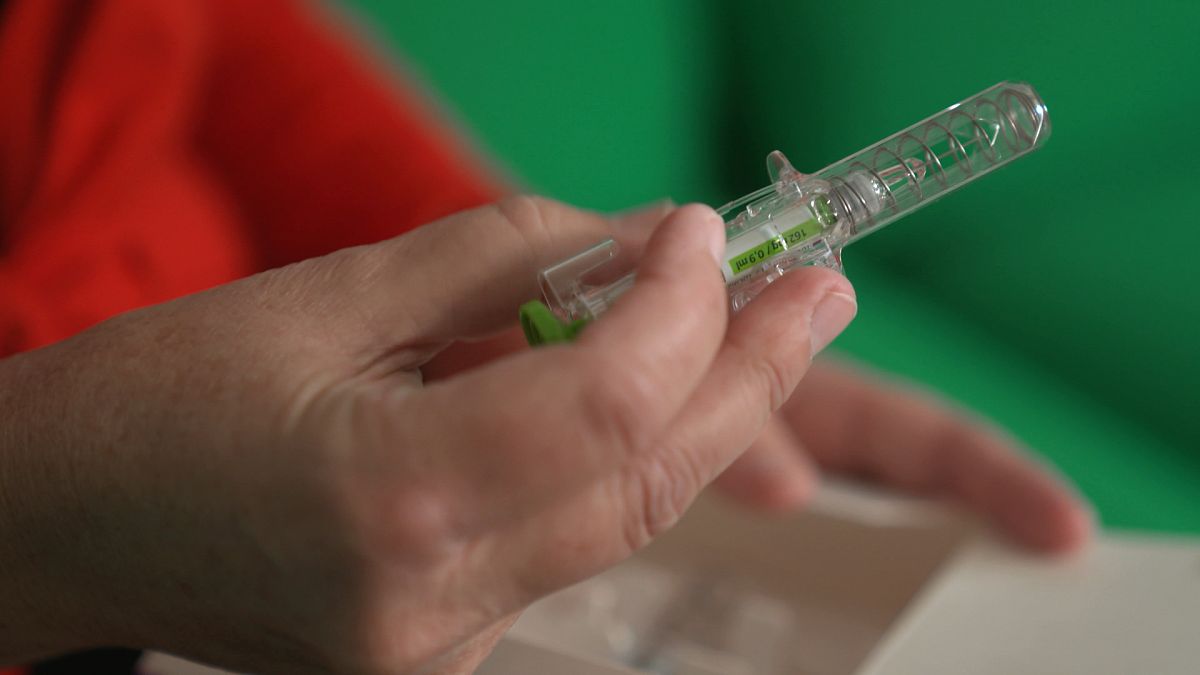
For Ziegler, the switch was seamless. "There was another package, and it looked a bit different. But for me, I did not have any changes in the way I was treated or the things how I felt," she notes.
EU Policy Push
The European Commission's pharmaceutical reform aims to improve access to biosimilars and generic medications, ensuring more patients can afford treatments. Modulated incentives are designed to allow biosimilars to enter markets up to two years earlier than currently possible. This aligns with broader efforts to make healthcare systems more sustainable across the continent.
As Europe grapples with rising healthcare costs, biosimilars represent a pragmatic solution—offering the same therapeutic benefits at a fraction of the price. For patients like Ziegler, the transition has been a quiet success story, one that policymakers hope to replicate across the EU's twenty-seven member states and beyond.