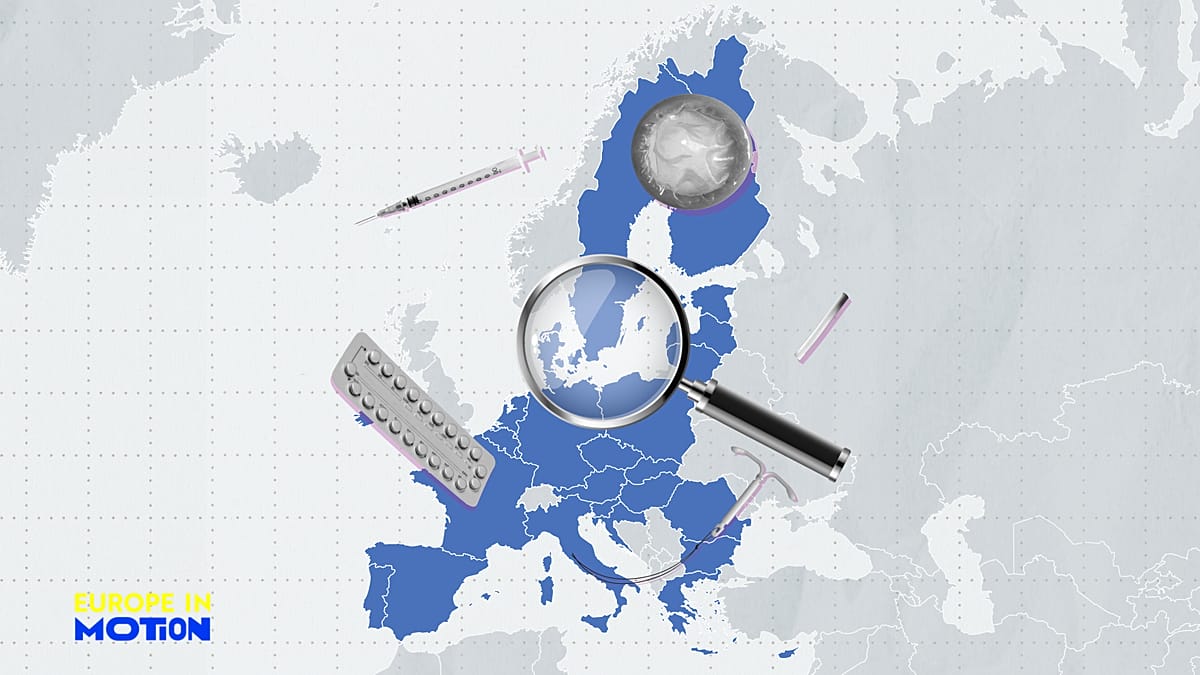
Access to modern, effective, and affordable contraception remains uneven across the European Union, despite overall progress in recent years. The 2026 Contraception Policy Atlas, published by the European Parliamentary Forum for Sexual and Reproductive Rights (EPF), highlights persistent disparities, with France (97.9%), Portugal (93.8%), Luxembourg (93.3%), and Belgium (89.8%) leading the ranking for the second consecutive year.
Belgium, however, saw a slight decline of 0.5 percentage points from 2025 to 2026, dropping to 89.8%. When the wider continent is considered, the United Kingdom ranks second behind France at 95.8%.
Eastern Europe Struggles with Restrictive Policies
At the opposite end of the spectrum, Slovakia (32.2%), Hungary (36.9%), and Poland (38.9%) are the EU member states with the poorest access. Including non-EU countries, Turkey (37.6%) and Russia (37.8%) complete the bottom five. This East-West divide is a recurring theme in the EPF’s analysis, driven by restrictive policies and limited public support for contraceptive access in Eastern Europe.
Western European countries at the top of the ranking typically provide postpartum contraception after childbirth, a service absent in most low-ranking Eastern states. Only 15 EU countries cover contraceptives—including long-acting reversible methods like IUDs and implants—under their national health systems. Furthermore, just ten EU nations offer special coverage for vulnerable groups such as the unemployed or low-income individuals, while Denmark, Germany, and Italy provide such support only in certain regions.
In Poland, vasectomies have become an increasingly popular permanent contraceptive method, with an estimated 5,000 procedures performed annually in the private health system. This trend reflects broader shifts in reproductive healthcare across the continent, including the rise of pronatalist policy agendas in some countries.
Misinformation also poses a growing challenge. The EPF reports that evidence-based online resources about contraception are being actively blocked or removed in several countries, exacerbating access issues. For more on how misinformation affects political discourse, see our coverage of Misinformation Targets Hungary's Péter Magyar Despite Election Victory.
The atlas underscores that while overall access has improved, significant gaps remain. The European Commission and member states have opportunities to address these disparities through policy reforms, such as expanding national health coverage for contraceptives and ensuring vulnerable groups receive adequate support. For context on digital health advancements, read about how Estonia and Belgium Lead EU in Electronic Health Record Access, Ireland Lags.
As Europe navigates demographic challenges and reproductive rights debates, ensuring equitable access to contraception remains a critical public health and policy priority. The EPF’s data serves as a call to action for governments to bridge the East-West gap and combat misinformation.