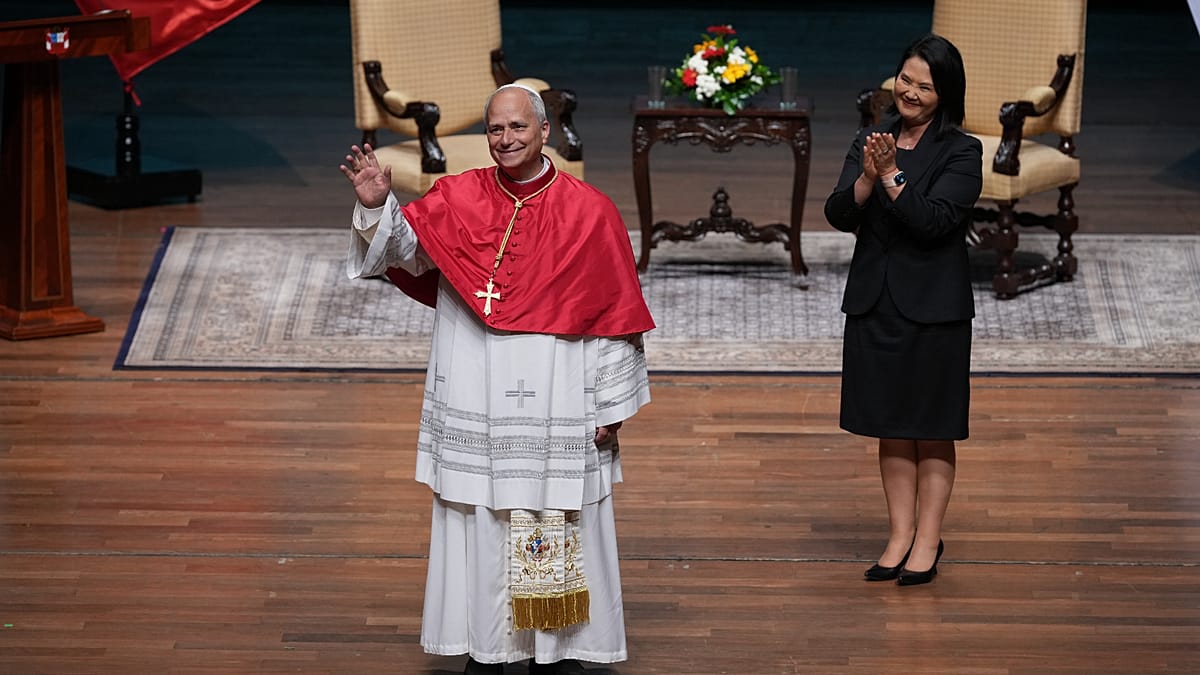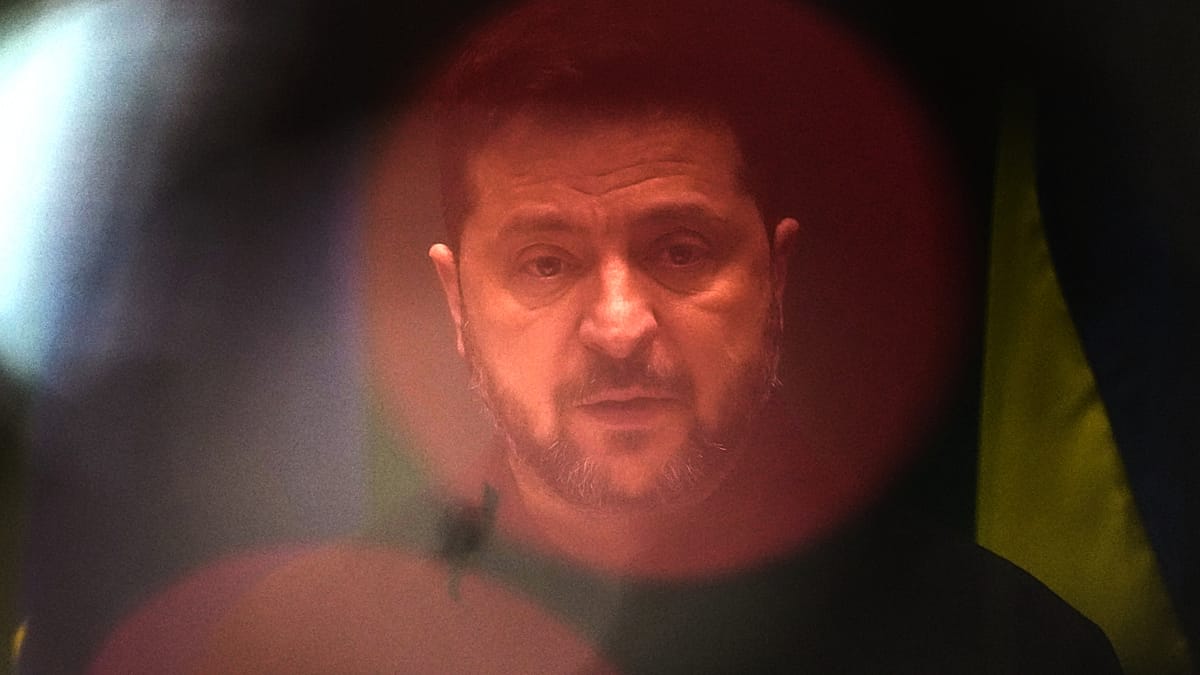
After a week of intense shuttle diplomacy, the focus shifts to Dublin, where leaders from more than 45 countries gather for the ninth European Political Community summit. The war in Ukraine and Russia's hybrid campaigns across the continent dominate the agenda, with US envoys Jared Kushner and Steve Witkoff expected to land in Ireland following a brief visit to Russian President Vladimir Putin in Moscow.
The US-mediated talks in Abu Dhabi produced a significant prisoner exchange agreement but no breakthrough on a ceasefire or territorial disputes. Ukrainian President Volodymyr Zelenskyy will hold bilateral meetings and attend the Friends of Ukraine event, co-chaired by Irish Prime Minister Micheál Martin and UK Prime Minister Andy Burnham. Irish police remain on high alert after hoax bomb threats targeted hundreds of schools in Ireland, the UK, and Italy.
Prisoner swap deal and the road to Moscow
The Abu Dhabi talks, which concluded on Thursday, yielded what Kushner described as the largest humanitarian release of prisoners since the war began. Zelenskyy had earlier indicated negotiators were discussing an exchange of 1,000 prisoners per side, potentially rising to 1,500. Final numbers are expected to be confirmed today.
However, the talks failed to address the core issues blocking a settlement. Russia's chief negotiator Vladimir Medinsky questioned the very foundations of Europe's security architecture, arguing that "the conflict in Ukraine has shown that the entire security system established in Europe after Yalta and Potsdam is functioning very poorly."
Kushner said he would ask Putin for his "blessing" to extend the format to include European representatives, making it effectively multilateral. In a pointed remark, he added: "If Europe could identify one person to speak on their behalf, that would be a bigger achievement than getting the Russians to include them in the negotiation." Both Witkoff and Ukraine's chief negotiator Rustem Umerov struggled to suppress grins.
The jibe underscores a growing pressure on European leaders to present a unified front. Italian Prime Minister Giorgia Meloni and Zelenskyy himself have urged European governments to agree on a single representative by the end of November. The challenge is not just about who speaks for Europe, but also about the credibility of the EU's foreign policy machinery.
EU-UK relations: a softer draft
In Brussels, EU ambassadors discussed a new version of the joint statement ahead of the 20 November summit. The latest draft, seen by Euronews, significantly softens the most controversial language. Notably, it drops the pledge to suspend the deportation of foreign national offenders in favour of "close coordination" and continued bilateral talks on advance notification of removals and prisoner transfers.
The explicit reference to the UK paying into the EU's funding programme for low-income regions in exchange for access to the EU electricity market has also been scrapped, though a financial contribution remains possible in separate negotiations. On youth mobility, the draft now states that both sides will agree on equal treatment of tuition fees within six months of the summit, while language on the UK's participation in Erasmus+ after 2028 has been removed.
The Youth Experience Scheme carries a tentative target date of January 2030. Agreements on agrifood standards (SPS) and the Emissions Trading System (ETS) remain in square brackets, with 1 March 2028 pencilled in for SPS and no date yet for ETS, indicating that both are still being negotiated.
Bring the children home
The European Parliament is expected to adopt a resolution today urging Moscow to immediately and unconditionally return all Ukrainian children forcibly deported to Russia or transferred to occupied territories. The resolution insists that their fate must not be used as a bargaining chip in negotiations to end the war.
Addressing MEPs yesterday, EU foreign policy chief Kaja Kallas said more than 20,500 children had been illegally deported. She described the deportations as a state-orchestrated campaign to erase Ukrainian identity, saying that "all evidence points to a crime against humanity."
Winter is coming
US Undersecretary for Defence Elbridge Colby and Ukrainian Defence Minister Evgeniy Khmara will attend Monday's Foreign Affairs Council on defence, with the focus on strengthening Ukrainian resilience ahead of winter. The EU is also planning defence talks in Doha to strengthen security ties with Gulf countries, as EU Ambassador to Qatar Antonino Maggiore told Euronews that "every crisis brings opportunities."
The EU's defence cooperation with Qatar and the Gulf Cooperation Council (GCC) aims to connect private defence industries through a new platform and present the EU's common defence industry policies to the region. Maggiore stressed that "security is fundamental in the current geopolitical context and it's a mutual interest."
As the week unfolds, the question of who speaks for Europe remains unresolved. The Dublin summit offers a chance for leaders to demonstrate unity, but the real test will come in the weeks ahead, as the US pushes for a broader peace process and Europe struggles to find a single voice.