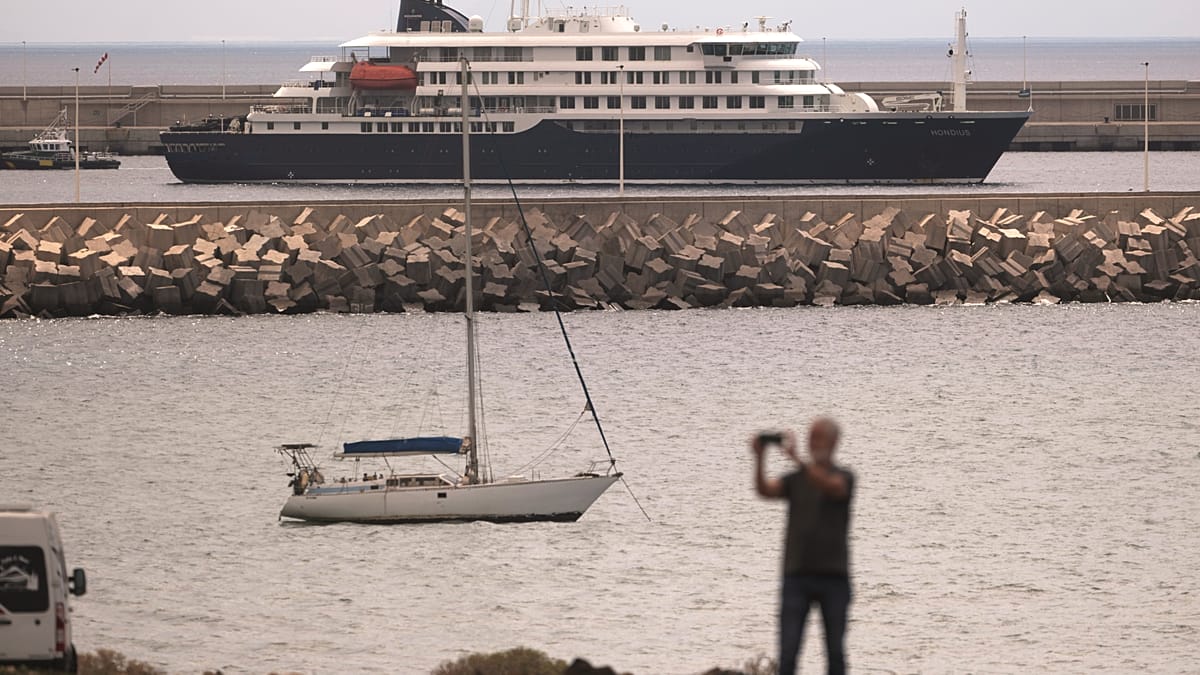
The World Health Organization has identified a Dutch ornithologist as the presumed "patient zero" in a hantavirus outbreak that spread among passengers aboard the cruise ship MV Hondius. Referred to as "case 1" in WHO's disease outbreak news, the 70-year-old man died on board on 11 April, after developing symptoms on 6 April. He and his wife, aged 69, had boarded the ship in Ushuaia, Argentina, on 1 April, following more than three months of travel across Argentina, Chile, and Uruguay.
Both were retired ornithologists from Haulerwijk, in the north of the Netherlands, according to reports by the New York Post and confirmed by local obituaries. The couple's deaths, occurring just days apart, have deeply affected their community. One obituary, published by the local Neighbourhood Association, reads: "During their return journey after a trip through South America, we were deeply saddened to learn of the passing of our neighbours. Their deaths so close together affect us deeply."
How the Infection Likely Spread
The couple visited a landfill site in Ushuaia, southern Argentina, known for attracting birdwatchers, shortly before boarding the cruise. This site is a key hypothesis for where the infection occurred. However, local authorities have rejected this claim. Juan Facundo Petrina, the province's Director General of Epidemiology and Environmental Health, told the Associated Press that the rodent species responsible for transmitting the Andes hantavirus is not present in the region, and no cases of hantavirus have ever been recorded in the area surrounding the landfill in Tierra del Fuego.
The European Centre for Disease Prevention and Control (ECDC) maintains that the current hypothesis is that at least one passenger was exposed to the Andes virus while spending time in Argentina or Chile before boarding the ship. The passenger may have subsequently transmitted the virus to others onboard. The Andes virus is the only hantavirus known to be transmissible between humans, though such transmission is rare.
Case 2, an adult female who was a close contact of case 1, left the ship in Saint Helena on 24 April with gastrointestinal symptoms. Her condition worsened during a flight to Johannesburg, South Africa, on 25 April, and she died the following day in a clinic there. Microbiological tests confirmed an infection with Andes hantavirus.
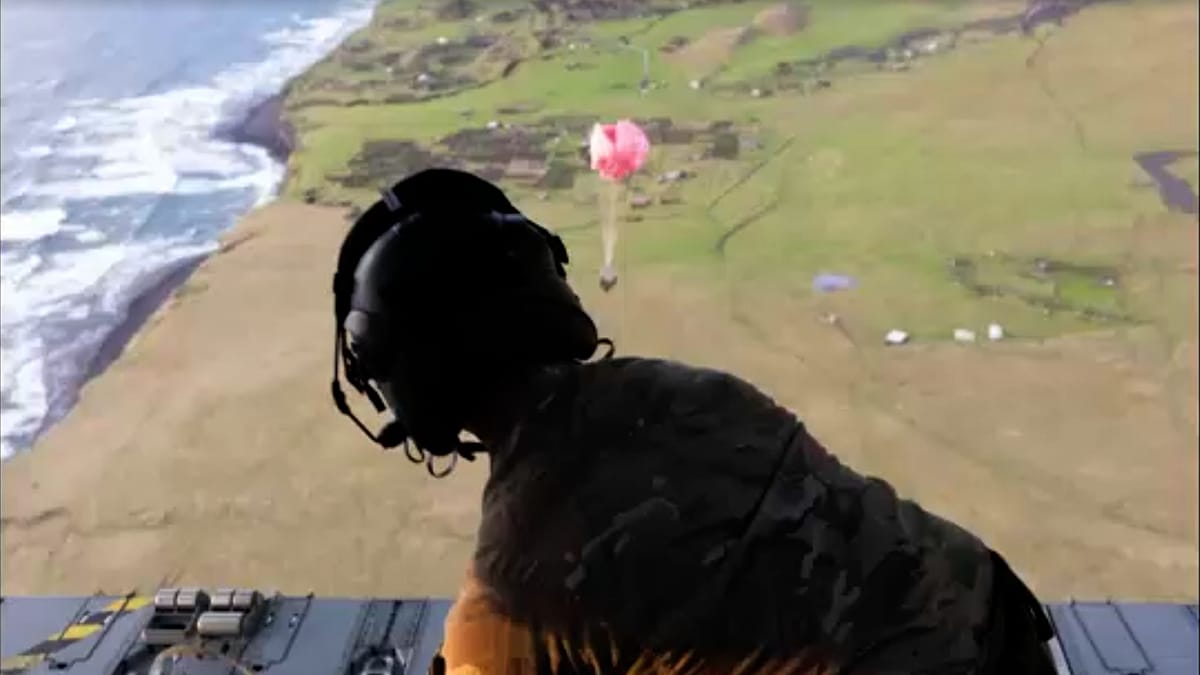
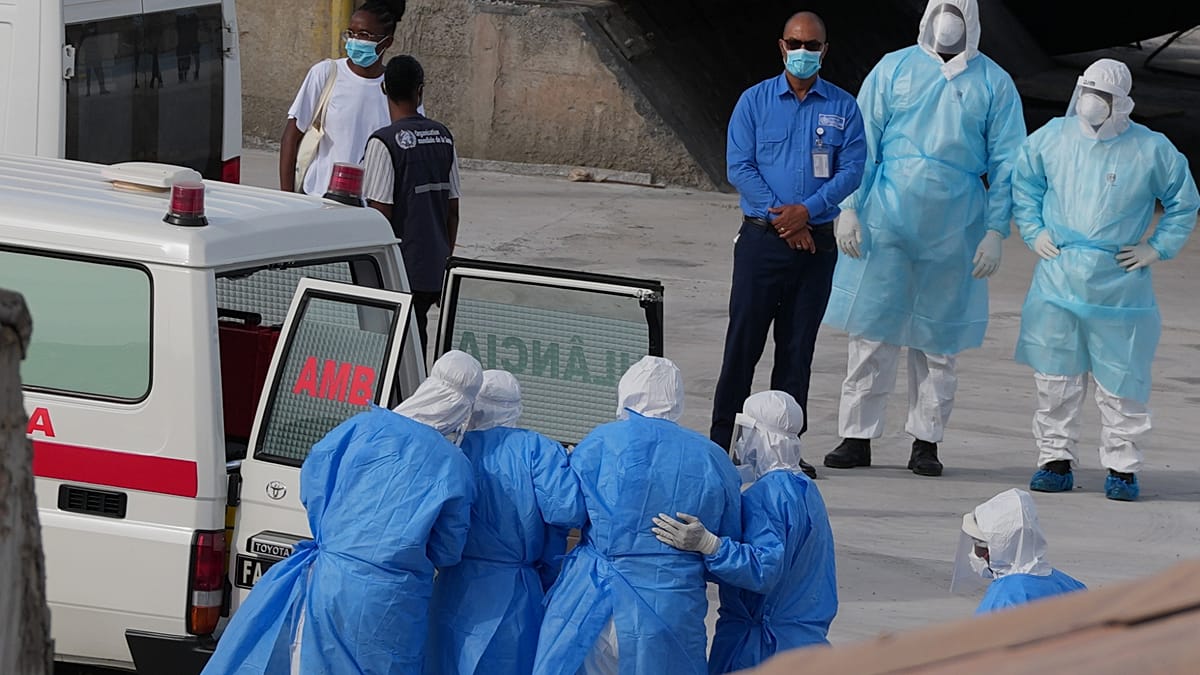
The outbreak has prompted significant international response. The UK military air-dropped medics to Tristan da Cunha over the hantavirus scare, and three people were evacuated from the MV Hondius in Cape Verde. The ship eventually docked in the Canary Islands, where Tenerife residents remained calm as the vessel arrived. Spain and the WHO have hailed the evacuation as a model of solidarity.
Hantavirus is typically transmitted through contact with rodent droppings and is not easily passed from person to person. However, the Andes virus can, in rare cases, spread between humans. Symptoms, such as fever, chills, and muscle aches, usually appear one to eight weeks after exposure, according to WHO. It can cause a severe lung infection called Hantavirus Pulmonary Syndrome, which can worsen quickly and become life-threatening. Secondary infections among healthcare workers have been documented but remain uncommon. The WHO notes that evidence remains limited due to the scarcity of outbreaks involving sustained human-to-human transmission.
The long incubation period of the virus complicates efforts to trace the exact source of infection. The ECDC continues to monitor the situation, and passengers who have returned home are now in quarantine across Europe. The incident highlights the challenges of managing infectious disease outbreaks in the confined environment of a cruise ship, especially when the virus can be transmitted between humans.