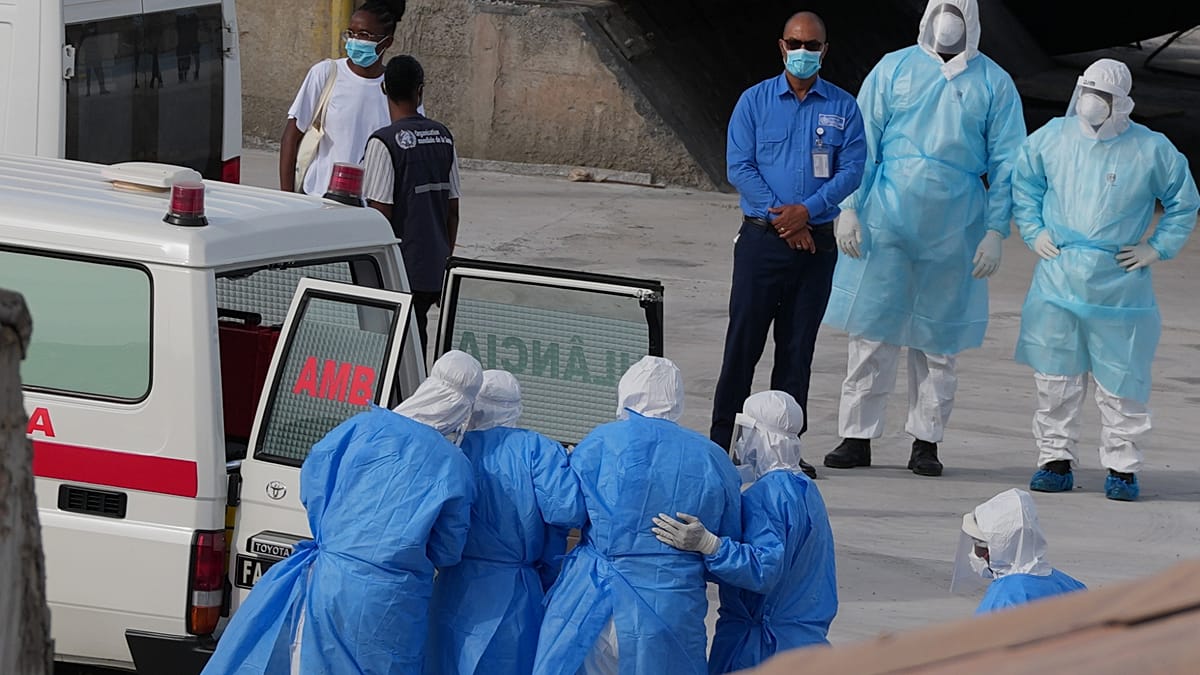
Dutch authorities have coordinated the medical evacuation of three people from the MV Hondius, a cruise ship currently off the coast of Cape Verde. The patients include one Dutch passenger and two crew members—one Dutch and one British national—all suspected of having a hantavirus infection. They are being transferred to specialized hospitals for treatment.
The evacuation underscores ongoing concerns about the spread of hantavirus, a rodent-borne disease that can cause severe respiratory illness. The MV Hondius, operated by the Dutch company Oceanwide Expeditions, had been sailing in the Atlantic when the suspected cases emerged.
European Coordination in a Remote Setting
The operation highlights the logistical challenges of managing a health crisis far from European shores. Cape Verde, an island nation off West Africa, is a frequent stop for expedition cruises but lacks the advanced medical infrastructure needed for such cases. Dutch authorities, working with local officials and the ship's crew, arranged for the evacuation to ensure the patients receive appropriate care.
This incident follows a hantavirus outbreak on an Antarctic cruise ship earlier this year, which raised questions about the risks of travel to remote regions. The European Centre for Disease Prevention and Control (ECDC) has previously stated that the risk to the general public remains very low, but such cases require careful handling.
The MV Hondius had been on an expedition cruise, a type of tourism that has grown in popularity but also brings unique health risks. The ship's itinerary included stops in the Canary Islands, where local authorities previously rejected a request to dock a hantavirus-stricken vessel, citing public health concerns.
Spain, however, has accepted a critically ill doctor from the MV Hondius for treatment, as reported in a separate development. This shows the patchwork of responses across European nations, each balancing health security with international obligations.
The evacuation from Cape Verde is a reminder of the interconnectedness of European health systems, even when incidents occur far from the continent. The Netherlands, as the flag state of the MV Hondius, has taken the lead in coordinating the response, while the UK and other EU member states monitor the situation.
Hantavirus infections are rare in Europe, but they can be severe. The disease is typically transmitted through contact with rodent droppings or urine, and symptoms include fever, muscle aches, and respiratory distress. Early diagnosis and supportive care are critical, which is why the patients are being moved to specialized facilities.
For the informed European reader, this story touches on broader themes: the challenges of managing health risks in global travel, the role of European cooperation in crisis response, and the need for robust public health systems. As the MV Hondius continues its journey, the focus remains on the well-being of those affected and the lessons for future expeditions.