A rare and deadly outbreak of hantavirus aboard a Dutch cruise ship in the remote waters off Antarctica has thrust the environmental and health risks of 'last chance tourism' into sharp focus. The MV Hondius, an ice-strengthened polar vessel operated by the Dutch company Oceanwide Expeditions, left Argentina on 1 April and visited the Antarctic Peninsula and several isolated islands before the outbreak emerged. Two people have died, and a third death is suspected, with dozens of passengers and crew falling ill.
The ship is currently anchored off Cape Verde, awaiting permission to dock. The Canary Islands president has rejected Madrid's decision to allow the vessel to dock, citing public health concerns, while Spain has accepted a critically ill doctor for treatment. The European Centre for Disease Prevention and Control has stated that the risk to the general public remains very low, but the incident underscores the vulnerabilities of polar travel.
Antarctica's Fragile Ecosystems Under Pressure
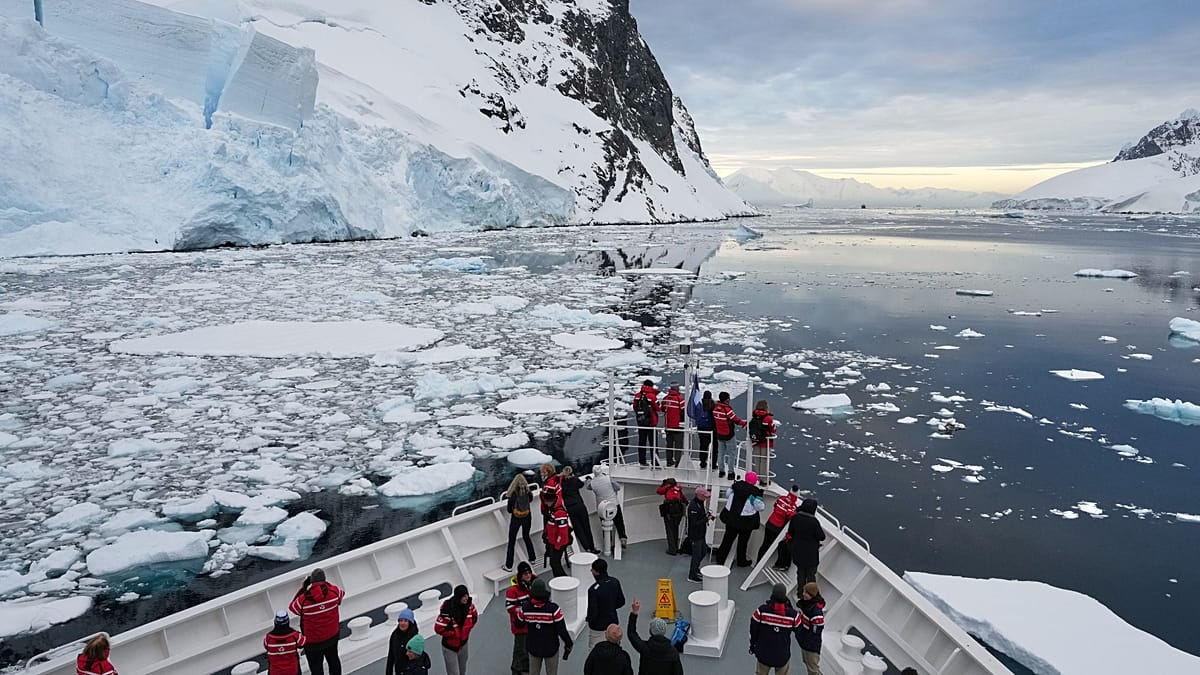
The Antarctic Peninsula is one of the fastest-warming places on Earth, losing an average of 149 billion metric tons of ice per year between 2002 and 2020, according to NASA. This rapid change has fueled a boom in 'last chance tourism'—travel to see vanishing landscapes before they disappear. In 2024, more than 80,000 tourists set foot on the continent, with another 36,000 viewing from ships, according to the International Association of Antarctica Tour Operators (IAATO). The International Union of Concerned Scientists estimates that tourism has grown tenfold in the past 30 years, and researchers at the University of Tasmania project that annual visits could triple or quadruple to over 400,000 within a decade.
This surge brings heightened risks. 'There are rules that people are bound by when they’re heading south,' said Hanne Nielsen, a senior lecturer in Antarctic law at the University of Tasmania, who has worked as a guide on five voyages. Crews and passengers use vacuums, disinfectants, and brushes to scrub boots and equipment free of seeds, feathers, and microbes. 'Between the tongues and the laces of the boots you can find a lot of things,' she noted. Despite these precautions, the hantavirus outbreak—likely introduced by a passenger who contracted the virus before boarding—shows how easily pathogens can reach pristine environments.
Hantavirus is typically spread through inhalation of contaminated rodent droppings, but the World Health Organization is investigating possible human-to-human transmission on the ship. Officials have confirmed there are no rats on board, raising questions about how the virus spread. The incident follows the arrival of avian flu in Antarctica via migratory birds from South America, which prompted IAATO to tighten hygiene protocols.
Regulatory Gaps in a Warming Continent
Antarctica is governed by the Antarctic Treaty, signed in 1959, which designates the continent as a scientific preserve for peaceful purposes. A series of subsequent rules aim to ensure that all visits do not adversely impact the environment or its scientific and aesthetic values, according to the treaty's secretariat. However, these regulations were written when tourism numbers were far lower. Companies and scientific ventures voluntarily comply with biosecurity guidelines and submit environmental impact assessments, but enforcement remains limited.
'Activity needs to be regulated appropriately, as you would with any of the world’s sensitive and precious ecological sites,' said Dr. Cassandra Christian, a polar policy expert who was preparing for an Antarctic Treaty Consultative Meeting in Hiroshima, Japan, at the time of the outbreak. She plans to join calls for stronger protections for Antarctica's penguins, whales, seabirds, seals, and krill—the tiny crustaceans at the base of the food web.
The MV Hondius outbreak is not an isolated incident. Cruise ships have long been vulnerable to disease outbreaks, such as norovirus, and the COVID-19 pandemic turned the Diamond Princess into an incubator in 2020. The difference in Antarctica is the ecological stakes: a single invasive species or pathogen could devastate a continent that has evolved in isolation for millions of years.
As the Hondius remains stranded, the debate over how to balance tourism with conservation grows more urgent. The European Union, which includes several Antarctic Treaty signatories, has a role to play in pushing for binding regulations. For now, the incident serves as a stark reminder that the race to see the world's last wild places before they vanish may accelerate their destruction.