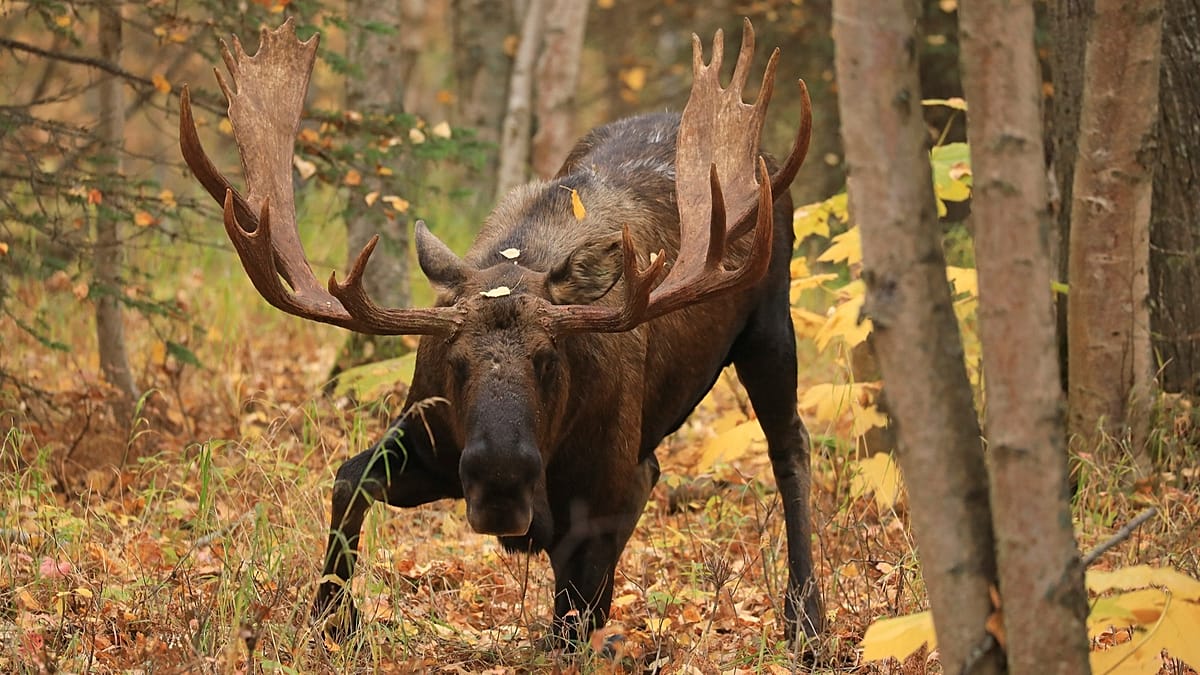
For the first time in centuries, moose are being regularly spotted in eastern Germany, crossing the border from Poland and the Czech Republic. These large animals, which can weigh up to 700 kilograms, have captured the German public's imagination, with some individuals receiving names and even dedicated websites.
Perhaps the most famous was 'Knutschi', who migrated from Poland in 2008 and travelled through several German federal states before dying in 2009. More recently, a moose named 'Emil' has been tracked across Europe; first seen in Austria last autumn, he was later spotted in the Bohemian and Bavarian Forests, with his last confirmed sighting at the Frauenau drinking water reservoir in the Bavarian Forest in October 2025.
Conservation Success Across the Border
The return of moose to Germany is largely a result of conservation efforts in Poland and the Czech Republic. According to the German Nature and Biodiversity Conservation Union (NABU), Poland now hosts an estimated 30,000 moose. Protective measures have allowed the population to recover significantly, prompting the animals to expand their range westward.
Moose were once widespread across Germany but were hunted to extinction by the Middle Ages, driven out by hunting and habitat loss, according to the World Wide Fund for Nature (WWF). Their gradual return marks a notable ecological shift, though the population remains small—only 15 to 20 moose are believed to be living in Germany at any given time.
In Poland, however, the animals are not universally welcomed. As reported by Deutsche Welle (DW), moose are frequently involved in road accidents, leading to renewed permits for controlled hunting to manage numbers and reduce risks. In Germany, NABU notes that road traffic poses the greatest danger to moose; collisions with cars are severe due to the animals' height of 1.4 to over 2 metres.
Experts quoted by Die Welt do not see this as an acute problem yet, given the small population. Whether moose will settle permanently in Germany depends largely on the continued growth of the Polish population and the animals' westward migration.
Why Germany?
Germany lies at the western limit of the moose's natural distribution. According to the WWF, an estimated ten to 15 animals migrate through north-eastern Germany each year, but most return east. Moose can adapt to various landscapes as long as forest and water are available. Brandenburg, with its large, sparsely populated forests and wetlands, is particularly attractive to them.
The moose's return is part of a broader pattern of wildlife recovery in Central Europe, where cross-border conservation efforts have enabled species to reclaim historic ranges. While the German moose population remains fragile, the trend underscores the impact of coordinated environmental policies across the continent.