Solar energy is rapidly expanding across Europe, helping to reduce dependence on expensive fossil fuel imports. According to SolarPower Europe, solar generation saved the continent over €100 million per day in March 2025 by cutting demand for imported gas. If geopolitical tensions keep gas prices high, solar capacity could save Europe more than €67 billion in 2026 alone.
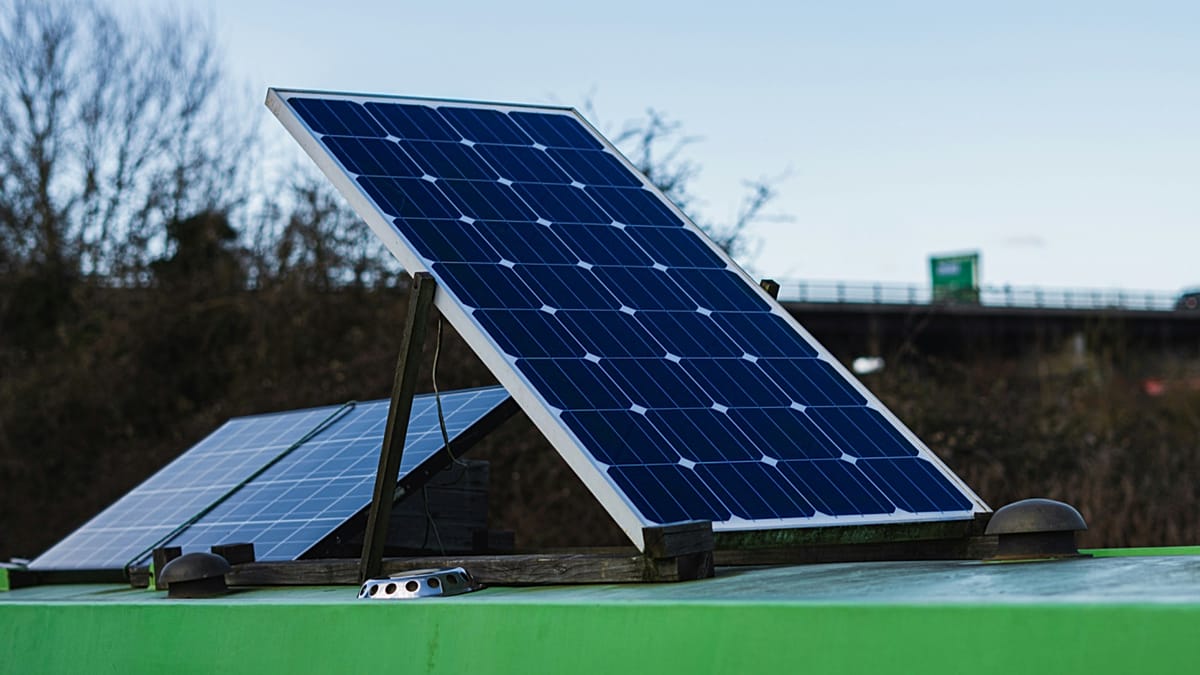
While large-scale solar farms and rooftop panels dominate the market, a new trend is emerging: plug-in solar panels. These small, affordable devices are designed for balconies, terraces, and shed roofs, and are particularly popular in Germany, where they can cost as little as €200. The UK recently approved their sale in supermarkets, with Energy Secretary Ed Miliband touting them as a way to boost energy sovereignty and reduce reliance on volatile fossil fuel markets.
How Much Power Can Plug-in Solar Generate?
Plug-in solar panels typically have an output of 400 to 800 watts, depending on local regulations. In Germany, the maximum inverter output is 800 watts. The UK has yet to confirm wattage limits, but EU standards suggest similar ranges. This output is sufficient for always-on appliances like fridges, WiFi routers, and standby devices, as well as energy-efficient appliances such as slow cookers, which use around 300 watts on average.
However, Natalie Mathie, an energy expert at Uswitch.com, warns that these panels may not power high-energy devices. “They may not produce enough power to run a 1.4kW air fryer, or a plug-in air conditioning unit, which can use about 1kW,” she explains. Household savings depend on panel orientation, shading, and weather conditions, with UK estimates suggesting annual savings of £70 to £110 (€80 to €127) per panel, which costs £400 to £500 (€462 to €577).
Plug-in solar systems are designed for self-consumption rather than feeding excess electricity back to the grid. For maximum savings, users should run appliances during peak sunlight hours. This makes them a practical option for renters or those in shared accommodation who cannot install permanent rooftop panels.
The broader context of Europe's energy transition is crucial. As renewables slash European electricity prices by 25%, plug-in solar offers a small but accessible step for households. Yet, its limitations mean it is not a silver bullet for energy independence.
For those considering plug-in solar, it is important to manage expectations. While it can reduce electricity bills modestly, the payback period is not immediate. As Mathie notes, “Household savings will differ per home and will also be determined by the panels’ output.” Poor orientation, shade, and unfortunate UK weather will all play a part in limiting how much power they can generate.
In the broader European energy landscape, plug-in solar is a niche but growing segment. Countries like Germany and the UK are leading the way, but the technology's impact on overall energy consumption remains limited. As Europe continues to invest in renewable energy, including large-scale solar and wind, plug-in panels offer a low-barrier entry point for individuals, but they are no substitute for comprehensive energy policies.
For more on Europe's energy challenges, see our coverage of Portugal's proposal for 72-hour power autonomy and real purchasing power declines across major economies.