The European Union's ambitious journey towards climate neutrality is facing a severe stress test. As the war against Iran drives energy prices sharply higher and threatens supply routes like the Strait of Hormuz, the bloc's twenty-seven member states are grappling with a fundamental tension: maintaining momentum on the green transition while ensuring affordable and secure energy for their economies.
Price Shocks and Political Pressure
Since military strikes began in late February, European gas prices have surged by around 70% and oil by approximately 60%. This immediate crisis has shifted the debate from one of cost to one of potential scarcity, forcing national capitals to consider emergency measures. In Germany, Energy Minister Katherina Reiche has suggested softening climate legislation, while Chancellor Friedrich Merz indicated coal plants may need to stay online longer. Italy has formally delayed its coal phase-out to 2038, framing it as a necessary safeguard.
These moves highlight the acute political pressure within the EU. The immediate need to shield consumers and industry from exorbitant bills is colliding with binding, long-term commitments to cut greenhouse gas emissions. Any prolonged reliance on fossil fuels as a short-term fix risks derailing the bloc's legally enshrined goal of climate neutrality by 2050.
"We are doing everything we can to prevent this from happening again. We must double down on our path to energy independence," Energy Commissioner Dan Jørgensen told the European Parliament in March.
The Coal Conundrum and Clean Energy Resolve
Proposals for a temporary return to coal, however, face practical and political hurdles. Luca Bergamaschi of the think tank ECCO notes that Italy's coal fleet is largely aged and non-operational, making restarting plants a costly and lengthy regulatory process. Both Berlin and Rome maintain that any renewed coal use is a last-resort measure, insisting on their longer-term commitment to clean energy.
This commitment is visible in parallel investments. Germany is joining the United Kingdom in accelerating wind power projects, while Italy has secured European Commission approval for a €6 billion scheme to expand renewable hydrogen production. The bloc is also holding a firm line against reopening imports of Russian fossil fuels, a idea recently floated by Belgian Prime Minister Bart De Wever, as reported in our coverage of the EU Energy Chief's warnings.
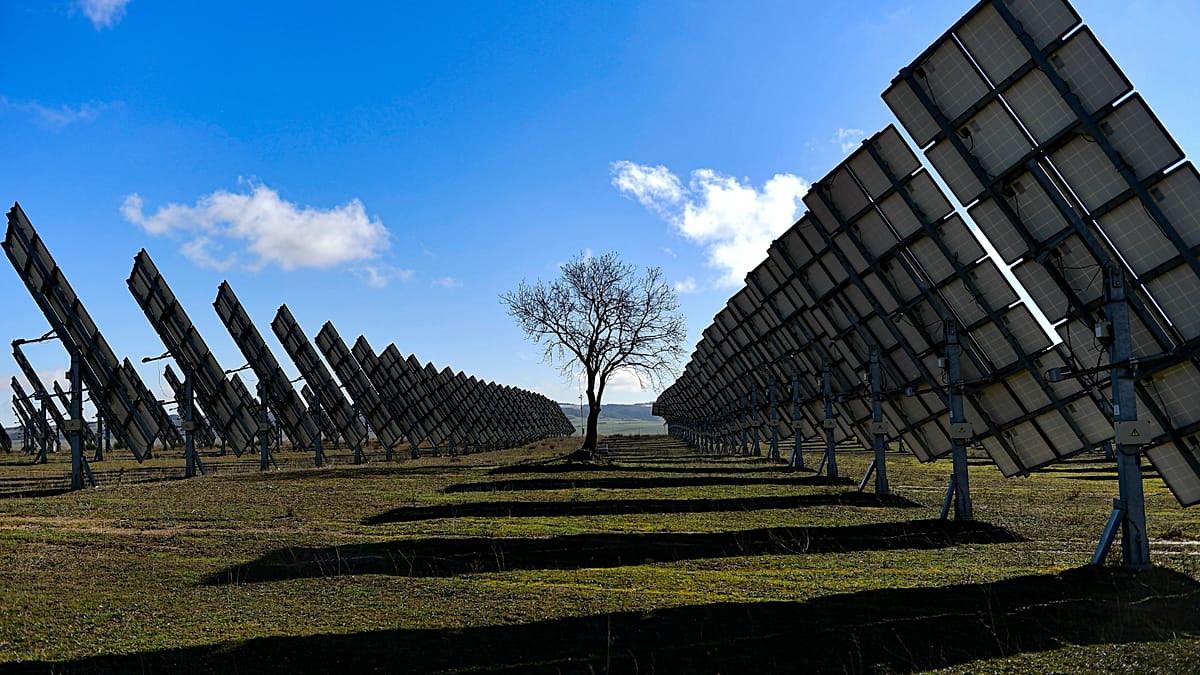
The core argument from the European Commission remains unchanged: the path to true energy security lies in domestically produced renewables. Data shows that even with recent price increases, wind and solar power are significantly cheaper than imported gas. Simone Tagliapietra, a senior fellow at Bruegel, argues the conflict should accelerate, not slow, the green transition. "Only by reducing structural dependence on oil and LNG imports can Europe durably shield its economy from recurrent external shocks," he said.
Grids, Electrification, and the Long Road Ahead
A critical bottleneck for this transition is Europe's electricity grid. Upgrading infrastructure is essential to optimise renewable flows, reduce congestion, and connect new clean energy sources. Commissioner Jørgensen has urged MEPs to back a swift agreement on the Commission's plan to revamp European grids, calling for faster infrastructure-building and "desperately needed" interconnections.
National initiatives are also advancing. In France, Prime Minister Sébastien Lecornu has framed the acceleration of electrification and the phase-out of fossil fuels as a matter of national economic security, not just climate policy. This sentiment echoes the findings of the Lancet Report on Europe's climate inaction, which links delayed action to severe health and economic risks.
Despite the geopolitical strain, the EU's institutional direction is clear. Following an emergency meeting of energy ministers, the bloc warned capitals to prepare for "prolonged disruption" and to redouble efforts to cut oil and gas consumption. The crisis underscores that the green transition, while a climate imperative, is now equally a strategic one for a continent seeking to insulate itself from volatile global markets and regional conflicts, such as the ongoing tensions in Gaza that further destabilise the region.
The coming months will test whether the political will exists to treat this price shock as a catalyst for faster change, or whether short-term security fears will fragment the EU's common energy and climate strategy. The continent's future economic resilience hangs in the balance.