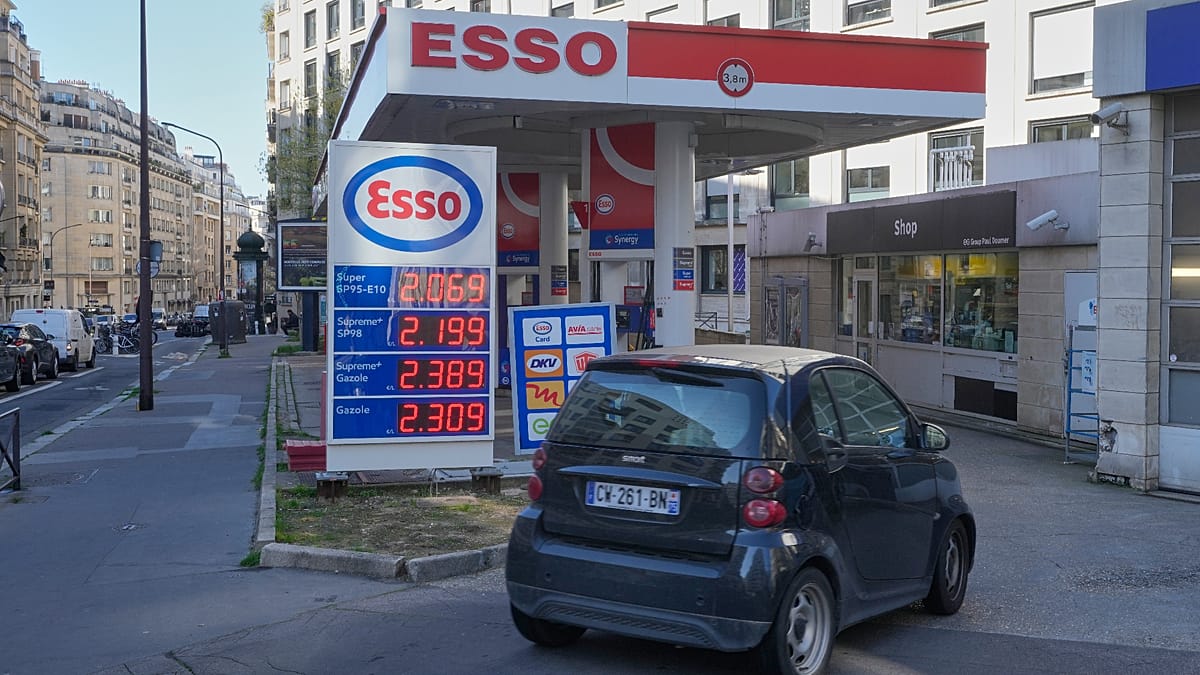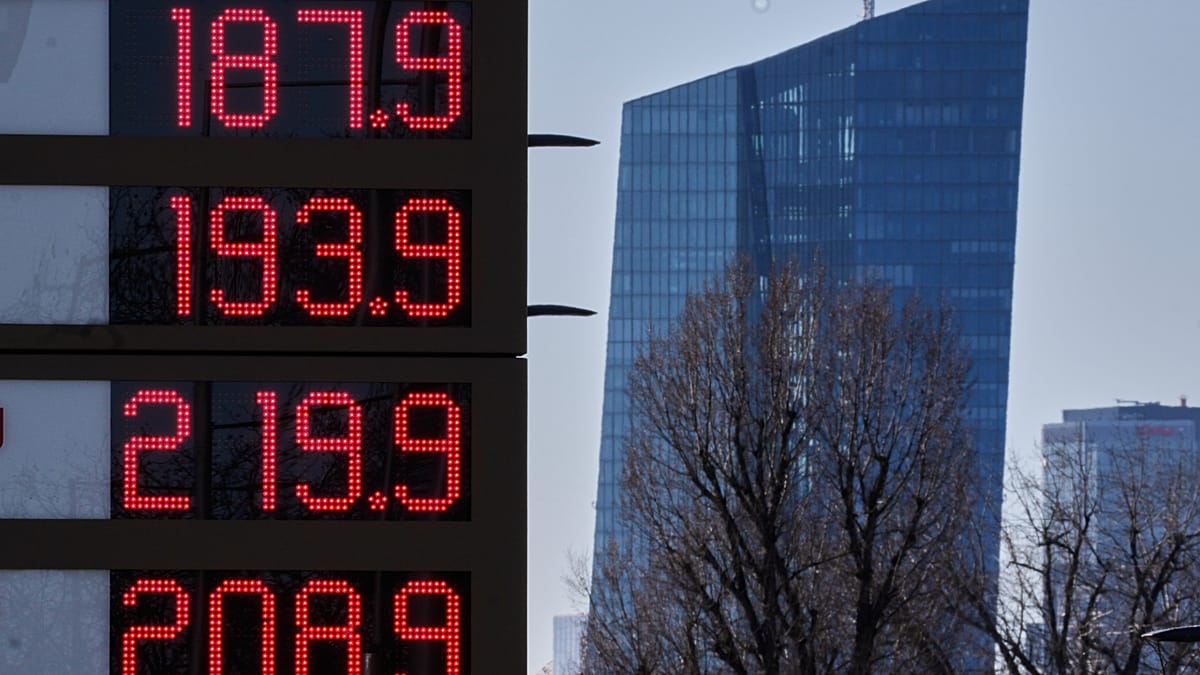
European Union Energy Commissioner Dan Jørgensen delivered a sobering assessment on Wednesday, stating that the severe energy crisis stemming from Middle East tensions will likely keep consumer prices elevated for many months, and potentially for years. He emphasised that Europe faces a sustained economic impact, not a temporary price spike.
A Costly Conflict for European Consumers
Jørgensen detailed the immediate financial toll, noting the conflict is currently costing European economies approximately €500 million per day. The sudden disruption to global energy markets, following the loss of a significant portion of oil and natural gas exports transiting the Strait of Hormuz, has injected severe volatility. This persists even as EU capitals work to secure alternative supplies.
"Even in a best-case scenario, it's still bad," Jørgensen told reporters in Brussels. He pointed to the extensive damage inflicted on critical energy infrastructure in the region, warning that repairs and a return to pre-conflict production levels would be a lengthy process. "Very difficult months, or possibly even years lie ahead," he concluded.
Jet Fuel Emerges as Critical Concern
A particular point of anxiety for EU governments is the supply of jet fuel, especially with the peak summer travel season approaching. Jørgensen confirmed that officials remain "very worried" about potential shortages that could disrupt air travel across the continent. This concern is echoed by major carriers and the International Energy Agency, which has flagged tight European supplies.
In response to these fears, the European Commission announced the creation of a new 'fuel observatory'. This mechanism is designed to closely monitor national stock levels of jet fuel and prevent a scenario where individual member states engage in hoarding at the expense of their neighbours. The move aims to foster transparency and coordinated action within the single market.
This initiative follows emergency discussions among European transport ministers, who have explored securing additional jet fuel supplies from partners like the United States. While EU leaders maintain that overall supply security is currently stable, they acknowledge that the risk of localized shortages varies significantly from Berlin to Rome and Warsaw to Lisbon.
The crisis is already reshaping the European aviation sector, as seen in decisions like the Lufthansa Group cutting 20,000 flights due to unsustainable fuel costs. The situation underscores how geopolitical instability in one region can directly alter daily life and business operations thousands of kilometres away.
"Very difficult months, or possibly even years lie ahead."
— EU Energy Commissioner Dan Jørgensen
The prolonged energy price pressure arrives as Europe continues to navigate the broader economic and security repercussions of war on its eastern flank. The conflict has accelerated debates on strategic autonomy, with figures like former Finnish Prime Minister Sanna Marin urging the EU to integrate battlefield lessons from Ukraine into its defence planning.
Meanwhile, the information landscape surrounding such conflicts grows increasingly complex, with hostile actors employing new tactics. Reports of pro-Russian networks deploying AI-generated soldier deepfakes demonstrate how hybrid threats evolve alongside conventional warfare.
Commissioner Jørgensen's stark warning signals that European institutions are bracing for a prolonged period of economic headwinds. The coming months will test the resilience of the EU's internal market and its ability to present a unified front in mitigating the fallout from distant, yet deeply consequential, international crises.