Kazakhstan, a leading supplier of agricultural commodities to the European Union, is embarking on an ambitious industrial pivot. With over 200 million hectares of agricultural land at its disposal, the Central Asian nation is moving beyond raw material exports to establish itself as a regional hub for food processing. This strategy is central to its goal of diversifying the economy away from hydrocarbons and doubling its GDP to €380 billion by 2029.
Targeting European Markets with Value-Added Goods
The government in Nur-Sultan has set a clear target: for processed, value-added goods to constitute 70% of agricultural exports by 2028. Last year marked significant progress, with processed food exports growing by 35% to exceed €2.5 billion, accounting for 60% of total farm output. However, securing a stable position in the EU's demanding markets requires more than volume.
"In global trade, and especially in Europe, price is no longer the sole decisive factor," explained Marat Yelibayev, Chairman of the Development Bank of Kazakhstan. "Reliability, consistency of quality, rigorous international certification such as organic and ESG standards, traceability, and the ability to deliver stable volumes are what define market access today." He cited Kazakhstan's landlocked geography and fragmented production as key challenges to overcome.
Currently, Kazakhstan ranks among the EU's top three suppliers of sunflower meal and is its second-largest source of durum wheat. To climb the value chain, the state is deploying concessional financing and tracking a pipeline of new investment projects. "The production capacities we have planned will fully support an increase in the share of processed goods and their subsequent export," said Vice Minister of Agriculture Erbol Taszhurekov.
Building Processing Capacity and Reforming Farming
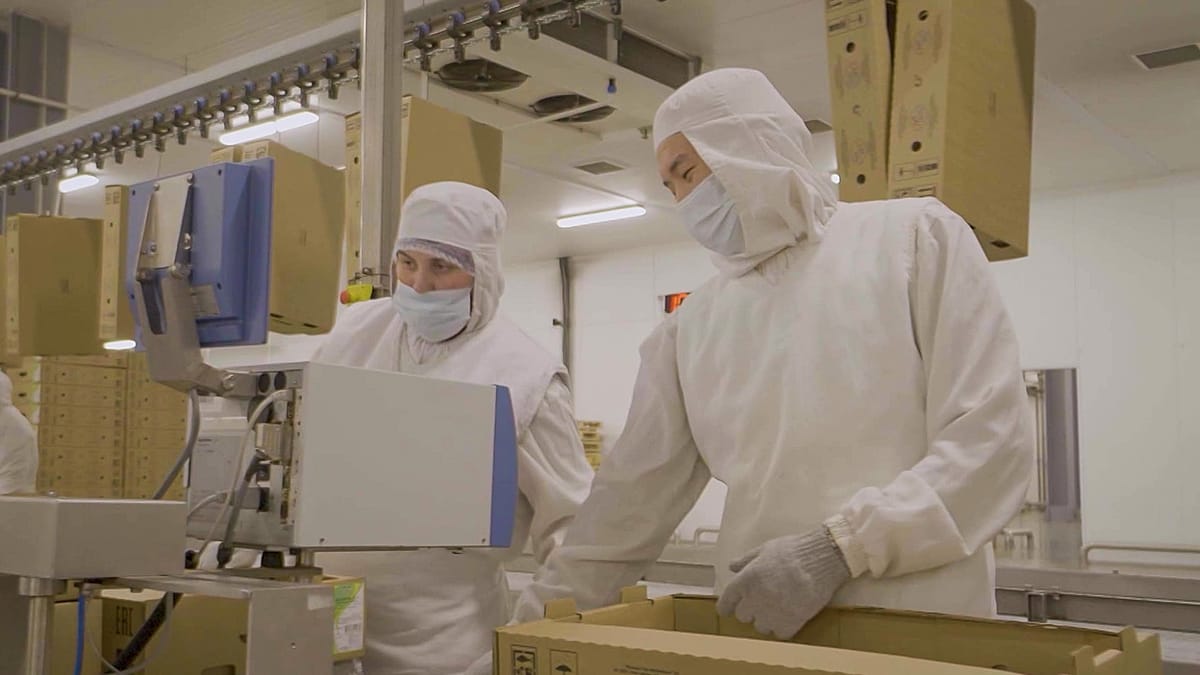
Despite substantial resources, Kazakhstan's processing sector remains underdeveloped. The country possesses an annual oilseed processing capacity of five million tonnes but produced 890,000 tonnes of vegetable oil last year. Similarly, its grain processing capacity is underutilised. "At present, only the first stage of processing is largely carried out in Kazakhstan, while deep processing accounts for only a small percentage," noted Yelibayev.
The plan is to add six million tonnes of deep grain processing capacity by 2028, focusing on high-value outputs like amino acids, syrups, and vitamins. The Development Bank of Kazakhstan is prioritising financing for full-cycle businesses in oils, starch, and animal feed to build complete value chains.
President Kassym-Jomart Tokayev has identified structural weaknesses in the sector, particularly in livestock, which he described as hindered by a lack of strategy and disorganised management. With around 40% of the population employed in agriculture, low productivity is a pressing concern. Tokayev has instructed the government to draft a new law on agricultural cooperation by 1 September, aiming to consolidate small household farms—which produce 60% of meat and 80% of milk—into more efficient cooperatives.
"The country has not established a clear process chain, from forming the feed base to processing, logistics, and sales," the President stated. The proposed law is intended to better integrate these cooperatives with large, export-oriented anchor projects. Taszhurekov confirmed a working group is already preparing the necessary legislative amendments to enshrine incentives for this new cooperative model.
European Context and Regional Dynamics
Kazakhstan's push for agricultural self-sufficiency and export complexity occurs alongside broader regional developments, such as the Central Asian summit on water resources. Its economic manoeuvres also intersect with European energy security, as seen when Kazakhstan halted oil shipments to Germany via Russia. Furthermore, the EU's own agricultural policies face scrutiny, evidenced by the Greek parliament stripping immunity from MPs in a farm subsidy fraud probe.
The success of Kazakhstan's plan hinges on aligning its production with European standards and building resilient supply chains. If it succeeds, the nation could significantly alter trade flows in Central Asia and become a more prominent, value-added partner for European agri-business, contributing to the continent's search for diversified and reliable sources of processed foodstuffs.