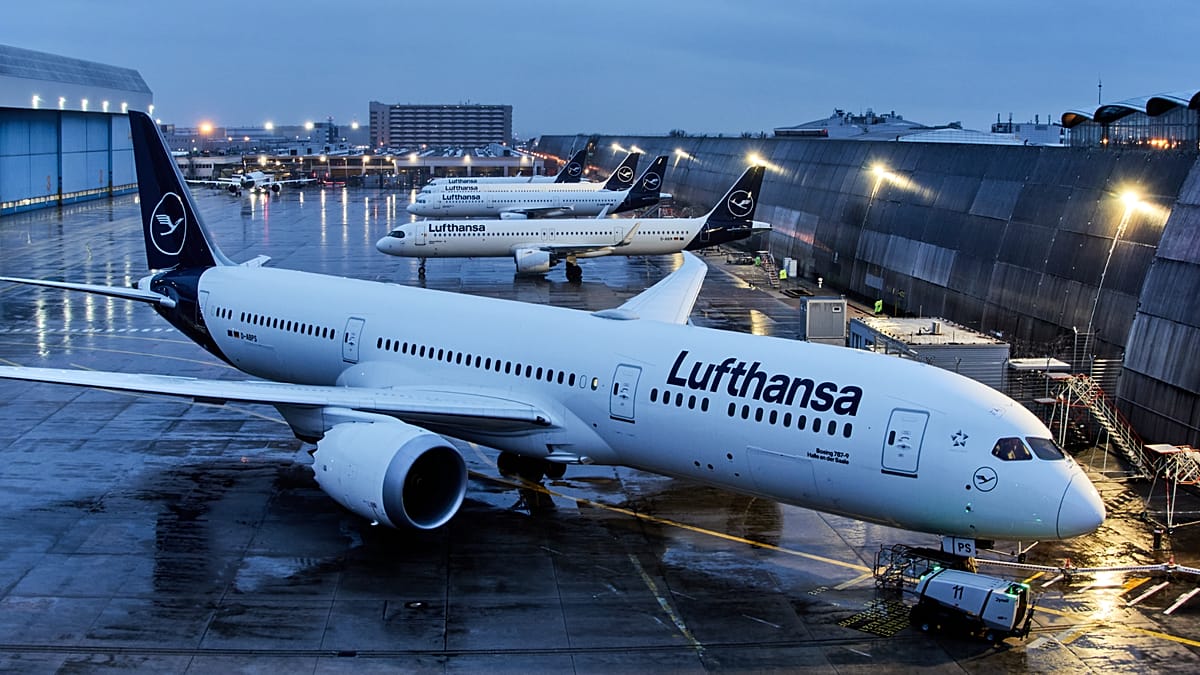
The Lufthansa Group, one of Europe's largest airline conglomerates, has announced the cancellation of 20,000 flights through October in a direct response to soaring jet fuel prices. The cuts will focus on what the group describes as "unprofitable short-haul flights" across its network, which includes flag carriers Austrian Airlines, Brussels Airlines, ITA Airways, and SWISS.
The strategic reduction is projected to save more than 40,000 metric tonnes of fuel. Some of the capacity trim stems from the previously announced closure of its CityLine regional subsidiary, accounting for about 1% of the group's typical summer schedule. An initial wave of 120 daily cancellations, effective until the end of May, has already led to the suspension of services to Bydgoszcz and Rzeszów in Poland, and Stavanger in Norway.
A Multi-Hub Strategy for Efficiency
To maintain its global network, Lufthansa is consolidating many connections through its major hubs in Frankfurt, Munich, Zurich, Vienna, Brussels, and Rome. This multi-hub operating model, according to analysis from advisory firm Teneo, makes European carriers like Lufthansa "less exposed" to severe flight disruptions compared to some rivals. The group stated that while passengers would retain access to long-haul connections, operations would now be conducted "significantly more efficiently."
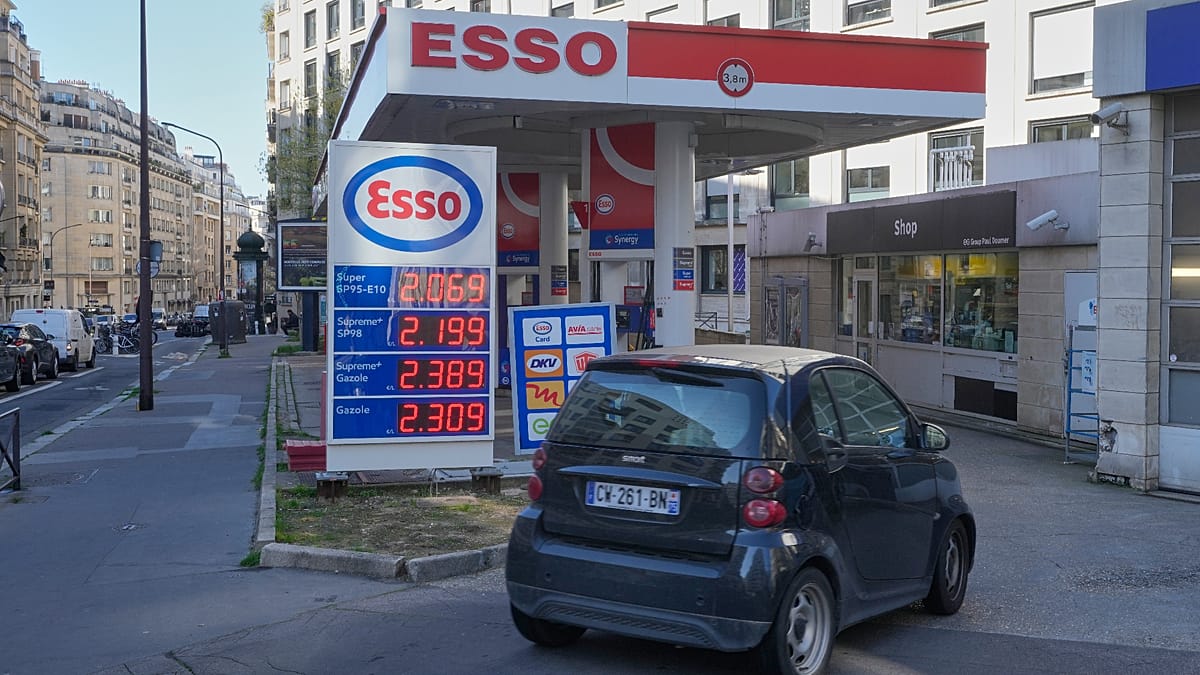
The driving force behind the cuts is a dramatic spike in fuel costs. Data from the International Air Transport Association (IATA) shows the weekly average price of jet fuel in Europe currently at $188 per barrel, a staggering 106.5% increase from last year's average. This surge is linked to broader geopolitical tensions, including the conflict involving Iran, which has contributed to market volatility and supply concerns.
The European Commission has moved swiftly to address potential fallout for travellers. European Commissioner for Sustainable Transport and Tourism, Apostolos Tzitzikostas, emphasized that "Europe is ready to welcome all the tourists and guests during the summer period," but clarified that high fuel prices would not justify airlines waiving their obligations to compensate passengers for delays or cancellations.
A Wider European Trend
Lufthansa is not alone in scaling back. Across the continent, carriers are making similar calculations. Low-cost Norwegian airline Norse Atlantic recently axed its London Gatwick to Los Angeles route, citing the "unforeseen global fuel crisis." KLM is cancelling 160 flights to and from Amsterdam's Schiphol Airport in May, representing just under 1% of its European schedule for the period, after deeming them financially unviable.
Scandinavian airline SAS cut at least 1,000 flights in April, while Ireland's Aer Lingus has removed around 500 flights from its summer schedule, officially for aircraft maintenance but against this industry-wide backdrop. The trend underscores how geopolitical instability, such as the tactics seen in information warfare campaigns, can have tangible economic ripple effects far beyond the immediate conflict zone.
For passengers, the impact is twofold: reduced options and higher costs. Teneo's research indicates airfares are climbing sharply, with the lowest average economy tickets now 24% more expensive than last year—the highest jump in five years. Furthermore, ancillary fees are rising. Several major US carriers, including Delta, have recently increased checked baggage fees, a trend travel experts warn is likely to persist.
The reshaping of European aviation schedules highlights the sector's acute vulnerability to energy price shocks. As airlines retrench to protect their core profitable routes, the connectivity of smaller European cities and the cost of travel for consumers are being directly tested. The coming summer will serve as a key indicator of how the industry adapts to this new, more expensive operating environment.