The Gulf region is on high alert following an attack on the United Arab Emirates on Monday, the first such incident since the ceasefire announced in April. The assault has raised fears of a broader conflict with Iran, with European capitals from Berlin to Paris closely monitoring the situation.
Renewed Tensions Threaten Regional Stability
The attack, which targeted locations in the UAE, represents a significant breach of the relative calm that had held since the spring. While details remain scarce, the incident has already prompted emergency consultations among Gulf Cooperation Council members and their European partners.
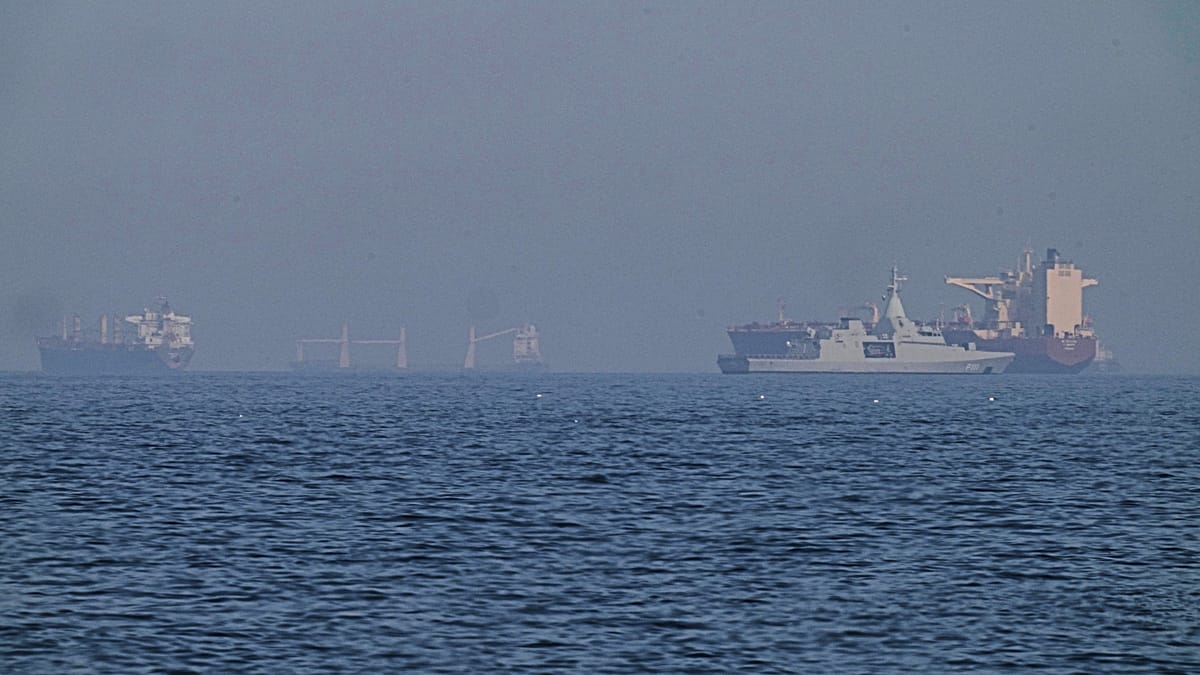
European diplomats in Brussels and national capitals have expressed concern that any escalation could disrupt energy supplies and trigger a new wave of migration. The Strait of Hormuz, a critical chokepoint for global oil shipments, lies at the heart of these anxieties. The US has warned of 'devastating' force against Iranian attacks on Strait of Hormuz shipping, underscoring the high stakes involved.
For Europe, which relies heavily on energy imports from the Gulf, the implications are direct. Any disruption to tanker traffic through the strait could send energy prices soaring, compounding the inflationary pressures already weighing on households from Madrid to Warsaw. The real purchasing power of European workers has declined since 2020, making additional economic shocks particularly unwelcome.
Diplomatic Efforts Under Strain
The attack comes at a delicate moment for international diplomacy. Efforts by European powers, including France and Germany, to revive the Joint Comprehensive Plan of Action (JCPOA) with Iran have stalled. The Israeli defence minister has indicated that the country awaits US approval for major Iran strikes, adding another layer of complexity to the crisis.
European Union foreign policy chief Josep Borrell has called for restraint on all sides, urging dialogue to prevent a full-blown regional war. However, the attack on the UAE suggests that the ceasefire's fragility may be exploited by actors seeking to undermine stability.
The UAE, a key economic hub and host to thousands of European expatriates, has been a vocal advocate for de-escalation. Monday's attack challenges that stance and may force Abu Dhabi to reconsider its security posture. European defence officials are already discussing enhanced naval patrols in the Arabian Sea and the Gulf of Oman.
Meanwhile, the humanitarian dimension cannot be ignored. The Red Cross, WHO, and MSF have warned of political failure as attacks on healthcare intensify, a concern that resonates across conflict zones in the Middle East.
As the Gulf braces for what could be a major escalation, European policymakers face a stark choice: intensify diplomatic engagement or prepare for the consequences of a wider war on Europe's southern flank. The coming days will be critical in determining which path prevails.