The fate of Timmy, a humpback whale that captured global attention after stranding in German Baltic waters, appears grim. Marine biologists from the German Oceanographic Museum now consider it highly likely that the whale has died, following a controversial release by a privately funded rescue operation.
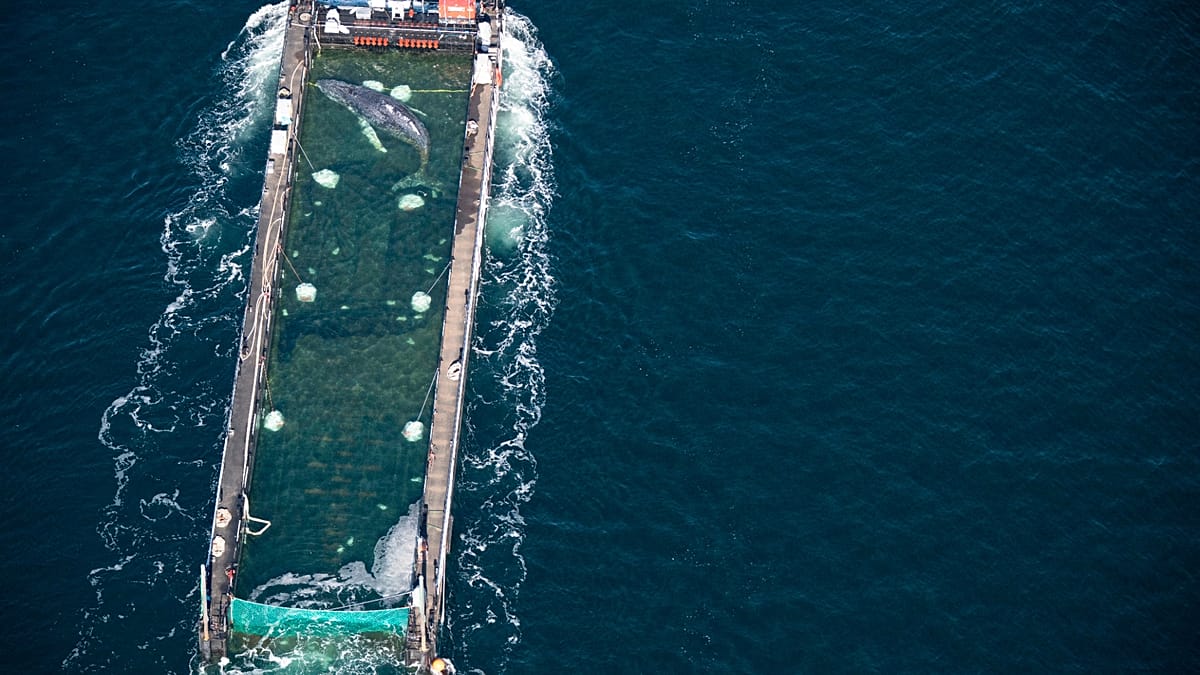
The whale, initially stranded in the Bay of Wismar in Mecklenburg-Western Pomerania, was the subject of repeated failed rescue attempts by local authorities. Two entrepreneurs—Karin Walter-Mommert, an equestrian sports businesswoman, and Walter Gunz, co-founder of MediaMarkt—stepped in to finance a final effort, spending at least €1.5 million. They transported Timmy on a barge to the North Sea, but the operation has since been mired in accusations of mismanagement and secrecy.
Release in a Shipping Lane Raises Questions
According to reports in the German newspaper taz and the regional Ostsee-Zeitung, the whale was released approximately 70 kilometres north of Skagen, Denmark—directly in a busy shipping lane. The plan had been to release him further west in the open North Sea. Dr. Kirsten Tönnies, a veterinarian involved with the private initiative, claims she was not allowed to witness the release. She told German media that the crew acted “totally prematurely” and “secretly.”
The captain of the tugboat Robin Hood, which towed the barge, expressed regret. “I wish I hadn’t helped. We thought the whale rescue would have a positive effect on the reputation of our shipping company. Exactly the opposite happened. At first we were celebrated as heroes, but in the past few days we have been labelled as murderers and animal abusers,” he told the Ostsee-Zeitung.
It remains unclear whether Timmy swam free or was simply dumped. Social media reports suggest the crew was relieved to be rid of “the bastard.”
Doubts Over Tracking Device and Vital Signs
Many whale enthusiasts had hoped to follow Timmy’s journey via a GPS transmitter, but experts have cast doubt on the rescue team’s claims. Danish marine biologist Peter Madsen from Aarhus University told Bild that no commercially available GPS transmitter can provide a whale’s vital signs. “Real vital parameters would require special sensor technology. Anyone who claims that is not telling the truth,” he said.
The rescue team had asserted that the transmitter only provided vital data, not the whale’s position—a claim that marine biologists find implausible. The Hebridean Whale & Dolphin Trust website tracks other humpback whales, but Timmy could not have reached Iceland since the weekend.
Scientific Warnings Ignored
When Timmy first stranded, he had pieces of a fishing net in his mouth. Marine biologists consider the rescue team’s assertion that the whale “spat out” the plastic unlikely. Greenpeace and other marine conservation organisations had opposed transporting the badly injured whale, arguing that it would not survive.
Mecklenburg-Western Pomerania’s Environment Minister Till Backhaus reportedly disregarded scientific advice in approving the private rescue. The whale had repeatedly beached itself after earlier rescue attempts, leading some experts to suggest it had chosen the shallow water as a final resting place.
Heike Vesper, Director of Transformation Policy & Economics at WWF Germany, highlighted broader ocean protection failures: “45 per cent of the German North Sea and Baltic Sea are designated as marine protected areas, yet these seas are in a worryingly poor state. There is not a lack of instruments and protective measures, but rather a lack of ambition and enforcement.”
The incident underscores the challenges of marine mammal rescue in European waters, where shipping traffic and environmental pressures are intense. As Greenpeace notes, warming waters are driving species shifts, with fish and marine mammals migrating polewards. The story of Timmy—also called “Hope” by some—serves as a cautionary tale about well-intentioned but poorly executed private interventions.