The European Union and Mexico are poised to sign a modernized version of their trade agreement on Friday, a move that EU officials say will dismantle remaining barriers to commerce and investment. The update comes as both partners navigate a shifting global landscape marked by rising protectionism and volatile relations with the United States.
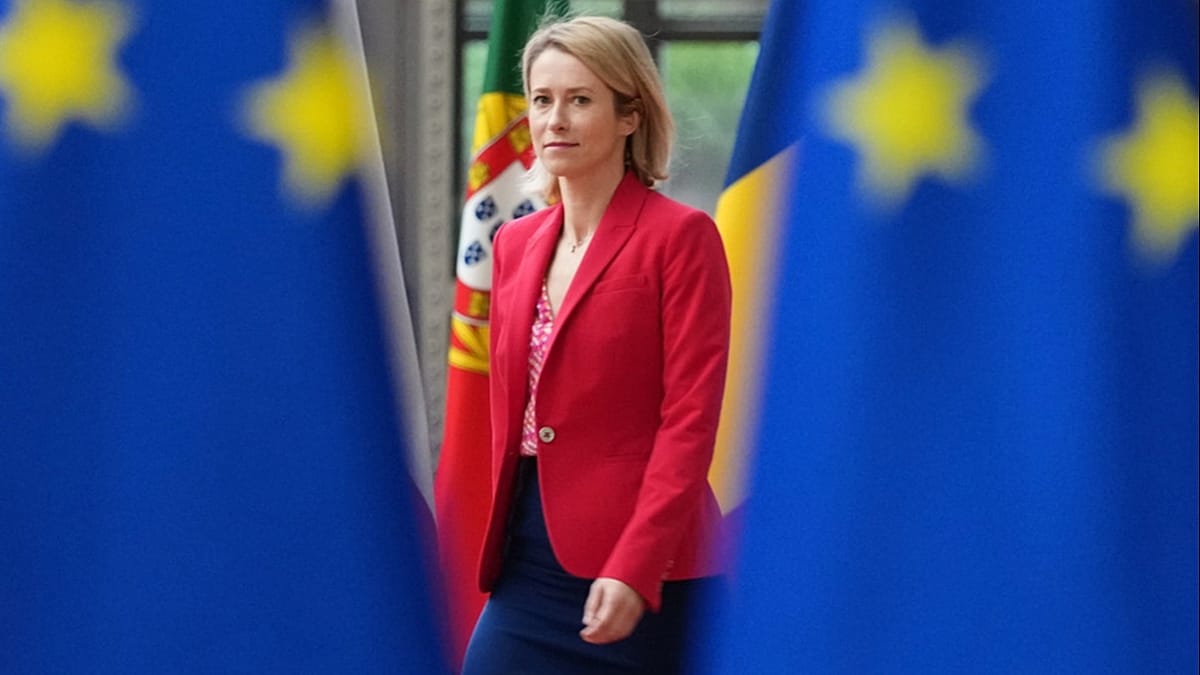
EU High Representative for Foreign Affairs Kaja Kallas announced the development on Thursday, emphasizing that the revised pact targets strategic sectors including raw materials, agriculture, and services. “This agreement will remove the remaining barriers to trade and investment,” Kallas said during a press conference alongside Mexican Foreign Minister Roberto Velasco. She added that the update would strengthen supply chains and open new opportunities to “help both economies compete globally.”
A Strategic Pivot Amid Global Turbulence
The signing, scheduled for Friday in Mexico City, will involve President Claudia Sheinbaum and European Commission President Ursula von der Leyen. It coincides with Mexico’s parallel negotiations to revise the USMCA free trade agreement with the United States and Canada, its largest trading partners. The EU-Mexico deal is part of a broader European strategy to diversify trade relationships, especially as transatlantic ties face strain from Washington’s aggressive tariff policies and ongoing geopolitical tensions.
The EU is Mexico’s third-largest trading partner, with bilateral trade growing by 75% over the past decade. In 2025, Mexico imported nearly €57.7 billion worth of European goods and exported approximately €24.1 billion back. The updated agreement seeks to build on this momentum by reducing non-tariff barriers and improving regulatory cooperation.
This development follows other European efforts to secure trade pacts, such as the UK’s recent deal with the Gulf Cooperation Council, which is expected to boost its economy by €4 billion annually. It also comes as the EU navigates its own trade disputes with the US, with EU Trade Chief warning of countermeasures if Washington violates the Turnberry deal.
The agreement is expected to provide a stable framework for European companies operating in Mexico, particularly in sectors like automotive, pharmaceuticals, and digital services. For Mexico, it offers access to European expertise and investment in renewable energy and infrastructure.
Analysts note that the deal reflects a broader trend of middle powers seeking to hedge against US-China rivalry. “Both the EU and Mexico are looking to reduce dependency on any single market,” said a trade expert based in Brussels. “This agreement is a clear signal that they are willing to deepen ties even as global trade rules face unprecedented challenges.”
The signing ceremony will mark the culmination of years of negotiations, though implementation will require ratification by the European Parliament and all 27 EU member states. Given the current political climate, some observers expect a smoother process than previous trade deals, as the bloc seeks to demonstrate its commitment to open markets.