Brussels is bracing for a protracted battle over the European Union's next long-term budget, a seven-year spending plan that has exposed deep rifts between the European Parliament, member states, and national capitals. At stake are not just billions of euros but the bloc's strategic direction: how much to preserve traditional farm subsidies versus investing in defence, digitalisation, and climate goals.
The European Commission's proposal has drawn fire from both ends of the political spectrum. Some net contributors, led by Berlin and The Hague, are demanding tighter spending and a smaller overall envelope, while southern and eastern members, including Rome and Warsaw, insist on maintaining cohesion funds and agricultural payments. The Parliament, for its part, wants a more ambitious budget with new own resources, such as a digital levy or a carbon border adjustment mechanism, to reduce reliance on national contributions.
As negotiations hit repeated deadlocks, the risk of a veto has become palpable. Diplomats in Brussels speak of a 'toxic' atmosphere, with several governments threatening to block any deal that fails to protect their domestic priorities. The standoff is already spilling into other dossiers, complicating the bloc's ability to act decisively on external challenges.
The €45 billion question for Ukraine
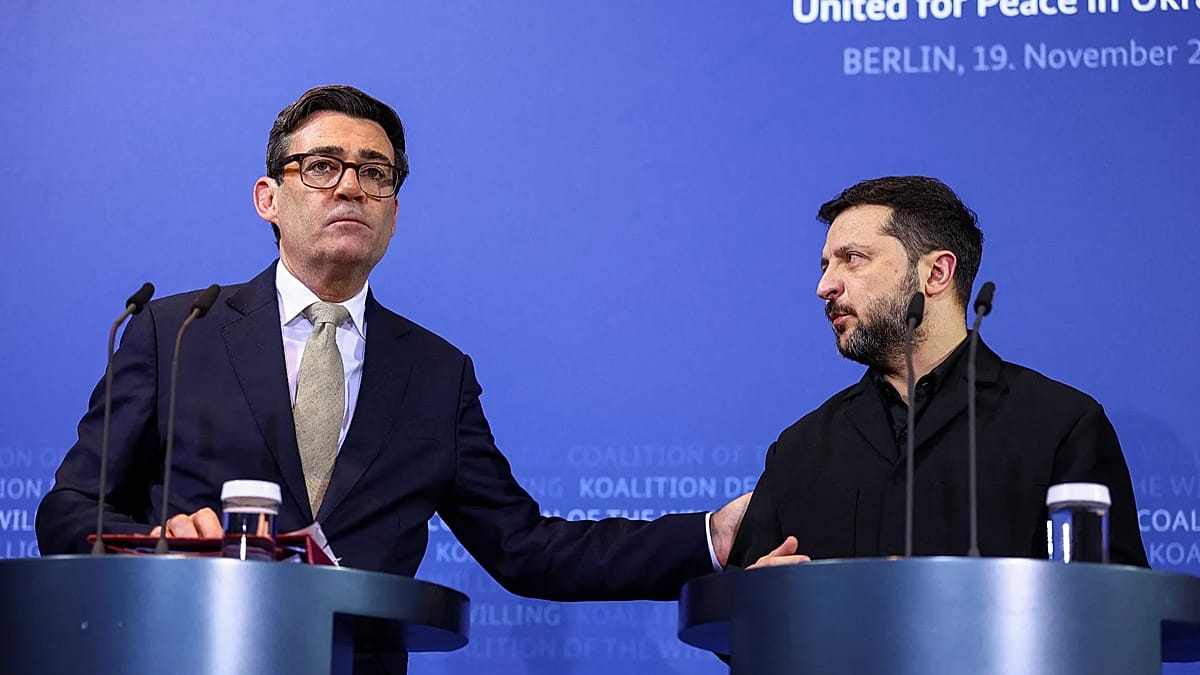
Perhaps the most explosive element of the budget fight is the proposed €45 billion loan package for Ukraine. The European Commission has put the figure on the table to help Kyiv cover its military and civilian needs over the next several years, but the proposal has met with growing resistance from a handful of member states, notably Hungary and Slovakia, who question the scale and conditions of the support.
Berlin has issued stark warnings that it will not accept a budget that fails to secure long-term financing for Ukraine, raising the spectre of a German veto if the package is diluted. 'This is not just about money; it is about the credibility of the European Union as a geopolitical actor,' said a senior German diplomat. The standoff has delayed progress on the broader budget and threatens to overshadow the upcoming European Council summit.
Our Ukraine correspondent Sasha Vakulina spoke with a former Ukrainian economy minister about what is at stake for Kyiv's economy and defence. The former minister stressed that the loan is 'not a favour but an investment in European security,' and warned that any delay would be exploited by Moscow. He also noted that Ukraine's reconstruction needs far exceed the proposed amount, making the EU's commitment a test of its long-term resolve.
The debate comes as new data suggests the human cost of the war continues to mount, with leaked Russian statistics indicating at least 490,000 Russian troops killed. Such figures, while impossible to verify independently, underscore the intensity of the conflict and the urgency of sustained Western support.
Serbia-Kosovo tensions ahead of the summit
Diplomatic friction between Serbia and Kosovo is threatening to overshadow the upcoming EU-Western Balkans summit in Brussels. Recent disputes over regional representation and the bloc's enlargement strategy have reignited old grievances, with Pristina accusing Belgrade of undermining its sovereignty and Belgrade dismissing Kosovo's statehood claims.
European officials are increasingly concerned that the Belgrade-Pristina dialogue, which has been stalled for months, could collapse entirely. The EU's special envoy has shuttled between the two capitals, but progress remains elusive. The summit, which was meant to signal a renewed commitment to the region, now risks being dominated by the unresolved bilateral dispute.
In an exclusive interview, former Kosovo President Vjosa Osmani will join us live to discuss the state of the dialogue and Kosovo's path toward European integration. Osmani has been a vocal advocate for Kosovo's EU membership and has repeatedly called on Brussels to take a firmer stance against Belgrade's 'destabilising' actions. Her remarks are likely to set the tone for the summit, where leaders will also discuss the EU's new growth plan for the Western Balkans.
The tensions are a reminder that the EU's enlargement policy remains hostage to bilateral disputes, a fact that some member states, particularly France and the Netherlands, have used to argue for a slower, more conditional approach. Others, like Germany and Austria, push for faster integration to counter Russian and Chinese influence in the region.
Litvinenko's widow speaks out
In a separate development, Marina Litvinenko has given an exclusive interview to mark the 20th anniversary of her husband Alexander's poisoning in London. The former Russian intelligence officer died after being exposed to radioactive polonium-210, in what became one of the most notorious assassinations on British soil.
In her memoir, Litvinenko reflects on two decades of fighting for accountability and warns that the West has still not fully grasped the Kremlin's willingness to use lethal force abroad. 'My husband's murder was a warning that went unheeded,' she says. 'The West is only now waking up to the threat.' Her words carry added weight as European security services grapple with a renewed wave of Russian espionage and sabotage across the continent.
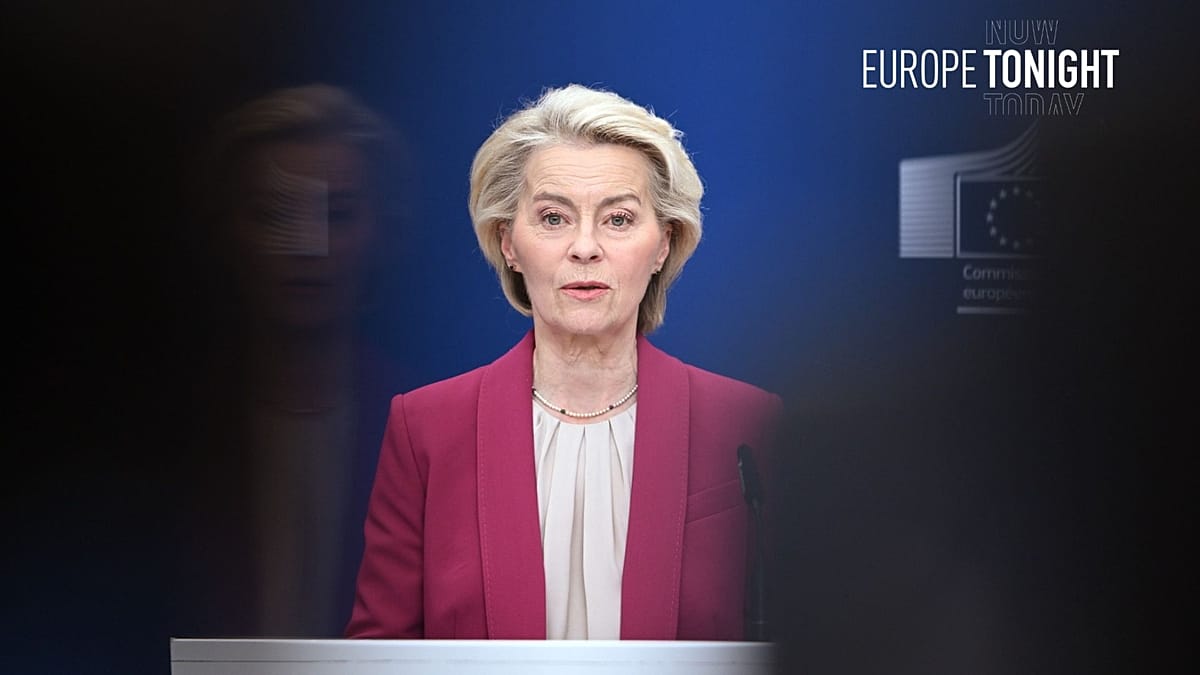
You can watch Europe Tonight live on TV and online at 6pm, 7pm, and 8pm Brussels time, with Mared Gwyn hosting. Tonight's programme also includes analysis of the EU budget battle and the Western Balkans summit, as well as an exclusive interview with Vjosa Osmani.