BRUSSELS — The European Commission is expected to present a range of options to restrict EU trade with Israeli settlements in the occupied Palestinian territories, according to five diplomats who spoke to Euronews. The proposal is slated for discussion ahead of the next gathering of EU foreign ministers in July, marking a significant shift after months of internal deadlock.
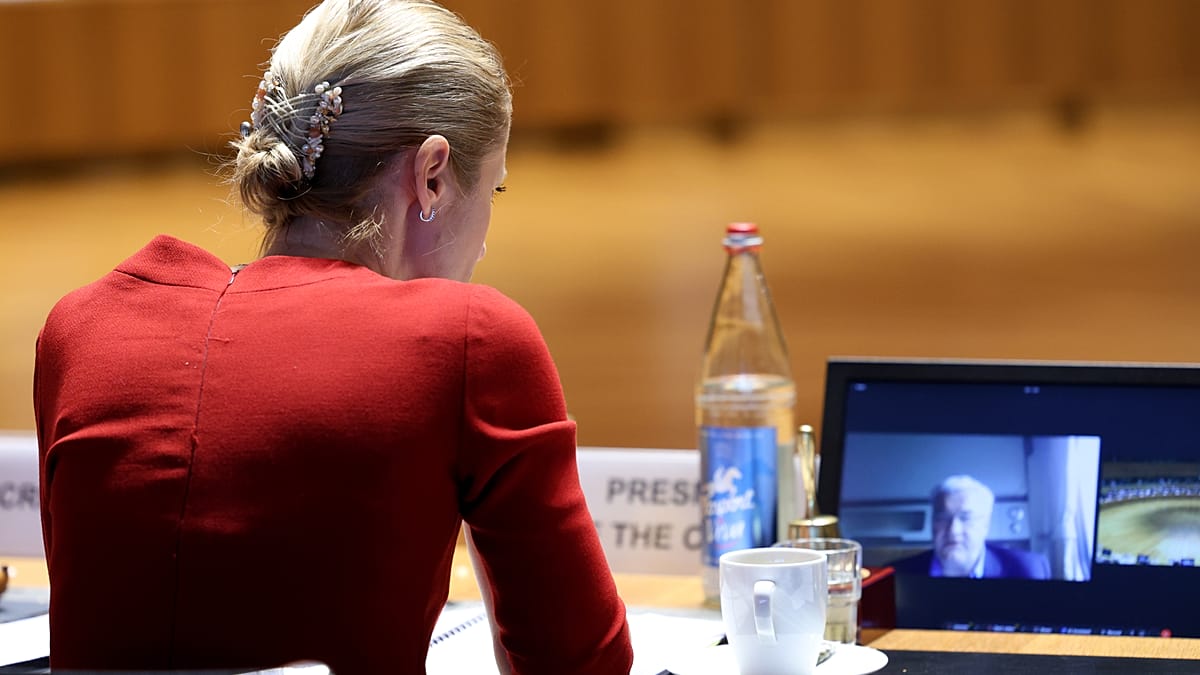
During a meeting of foreign affairs ministers in Luxembourg on Monday, Commissioner for the Mediterranean Dubravka Šuica indicated that, given the strong push from member states, the Commission would prepare concrete options before the 13 July ministerial meeting. The exact nature of these options remains unclear, but they are likely to include measures such as tariffs or import bans on goods produced in settlements, which are considered illegal under international law.
Pressure from Member States
A majority of EU governments have been pressing the Commission to act, arguing that trade with settlements undermines the bloc's commitment to international law. France and Sweden have been among the most vocal advocates, with France's Minister for Foreign Trade, Nicolas Forissier, telling Euronews that restricting trade was "not aggressive but normal." The push gained momentum after a report by advocacy group Global Echo Litigation Centre suggested that agricultural products from occupied territories were entering the EU market mislabelled as legitimate Israeli goods.
EU foreign policy chief Kaja Kallas confirmed the Commission's commitment, stating after the meeting: "On the issue of trade with illegal settlements, many member states called for proposals from the Commission. I will convey this request, and I will ask the Commission to prepare ahead of the next Foreign Affairs Council a list of options for possible trade measures, including measures aimed at preventing imports of goods originating from illegal settlements."
The Commission has been reluctant to move forward, arguing that such tariffs would constitute sanctions under EU law, requiring unanimity among all 27 member states — a threshold that remains elusive. However, the Council Legal Service, the EU's influential legal advisory body, has reportedly disputed this view, strengthening the case for trade restrictions under qualified majority voting, which requires support from at least 55% of member states representing 65% of the EU's population.
Israel rejects the designation of settlements as illegal, classifying them as "temporary sites." Settlement activity in the West Bank and East Jerusalem has intensified, with recent Israeli measures strengthening control over property law, planning, and licensing — steps that violate key agreements under the 1993 Oslo peace accords. The International Court of Justice (ICJ) issued an advisory opinion in 2024 declaring Israeli settlements unlawful, a position reinforced by a 2019 ruling from the Court of Justice of the European Union (CJEU) that food products from settlements must be clearly labelled as coming from an "Israeli settlement," not simply "Product of Israel."
In May, the EU adopted restrictive measures against extremist settlers and organizations supporting them, after the new Hungarian government lifted a previous veto imposed by former Prime Minister Viktor Orbán. The current proposal on trade restrictions represents a further escalation, though it stops short of suspending the EU-Israel Association Agreement, a broader measure that has failed to secure a qualified majority in the Council.
The Commission's move comes amid broader tensions in the region, including Israeli warnings that sparked mass evacuations in Tyre and ongoing debates over sanctions against Israeli officials, as seen in the EU's failure to unite on sanctions for Minister Ben Gvir. The trade restriction options are expected to be a key agenda item at the July Foreign Affairs Council, where member states will decide on the next steps.