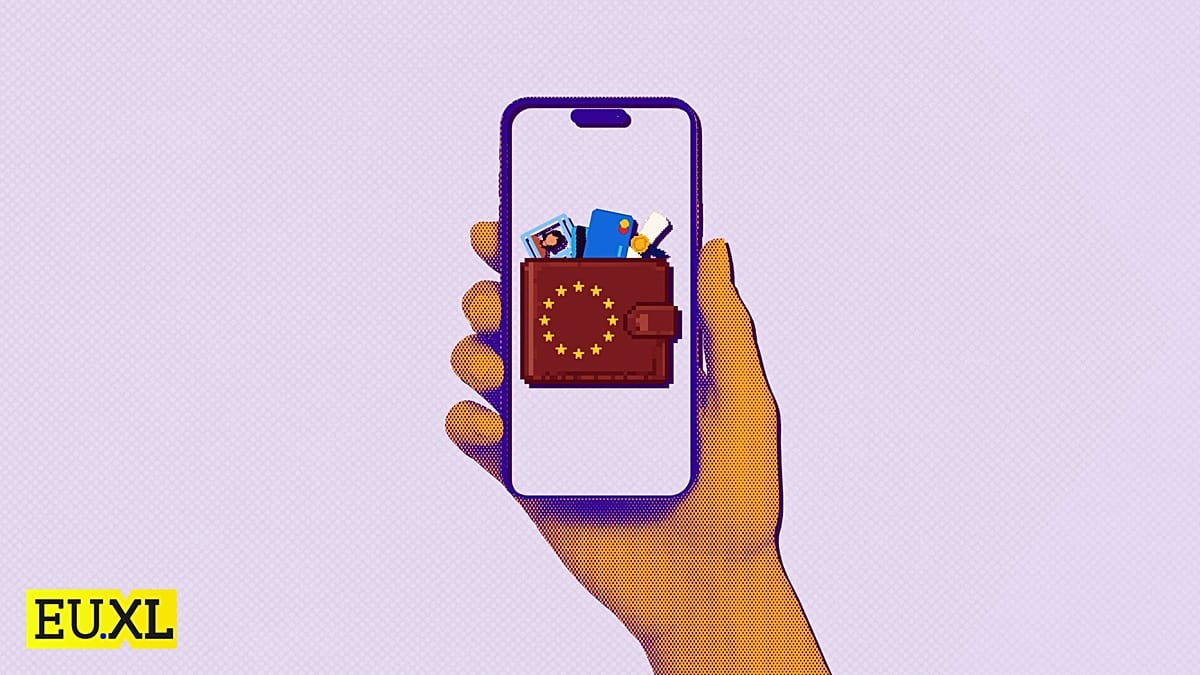
The European Union's ambitious plan to give every citizen a secure digital identity is stumbling. According to the latest figures, only three of the 27 member states have launched a certified digital wallet, well short of the bloc's goal of universal availability by December 24, 2026. The initiative, part of the eIDAS regulation, aims to create a single, interoperable system for verifying identity across borders.
Pilot projects show promise, but rollout is uneven
Before the original end-of-2024 target, EU-funded pilot projects involving 350 organisations issued over 1,500 digital credentials and completed more than 8,000 cross-border transactions. These tests demonstrated the technical feasibility of the system, but translating that into national services has proved harder.
The free wallet is designed to hold national IDs, driving licences, diplomas, health insurance cards, and bank details. It incorporates three privacy safeguards: selective disclosure (sharing only necessary data), unlikability (preventing tracking across transactions), and issuer-blindness (ensuring the issuer cannot see where the credential is used). Using the wallet remains optional, and paper documents will continue to be accepted.
Yet the pace of adoption varies dramatically. Italy is the clear front-runner, with nearly 8 million people using its wallet each month. Germany, despite its technological reputation, has pushed its launch to January 2027. The Netherlands has gone further, postponing its rollout to late 2027 after a pilot attracted just 57 users. Bulgaria is still drafting the necessary legislation.
This uneven progress raises questions about the EU's ability to meet its own deadlines. The European Commission has not indicated any plans to penalise laggards, but the delay could undermine the wallet's usefulness for cross-border services, such as opening a bank account or enrolling in a university in another member state.
Businesses and banks face their own deadlines
While governments are struggling, the private sector is also under pressure. Businesses must accept the wallet by December 24, 2027. Banks have an earlier obligation, starting in July 2027, due to anti-money-laundering rules that require stronger customer verification. This means financial institutions will need to integrate the wallet before many citizens have even received one.
The digital rights group EDRi has voiced concerns about draft rules that would mandate facial recognition and reduce privacy protections. Such measures, they argue, could undermine the very safeguards that make the wallet attractive. The group has called for a more balanced approach that preserves user control.
Despite the setbacks, the EU remains committed to the project. The wallet is seen as a cornerstone of the bloc's digital single market, potentially simplifying everything from renting a car to proving age at a bar. But as the December 2026 deadline approaches, the gap between ambition and reality is widening.
For now, the three countries that have delivered—likely including Italy, and possibly others—are setting the standard. Their experiences will be crucial in guiding the rest. The EU's digital identity gamble is far from lost, but it is clearly a marathon, not a sprint.