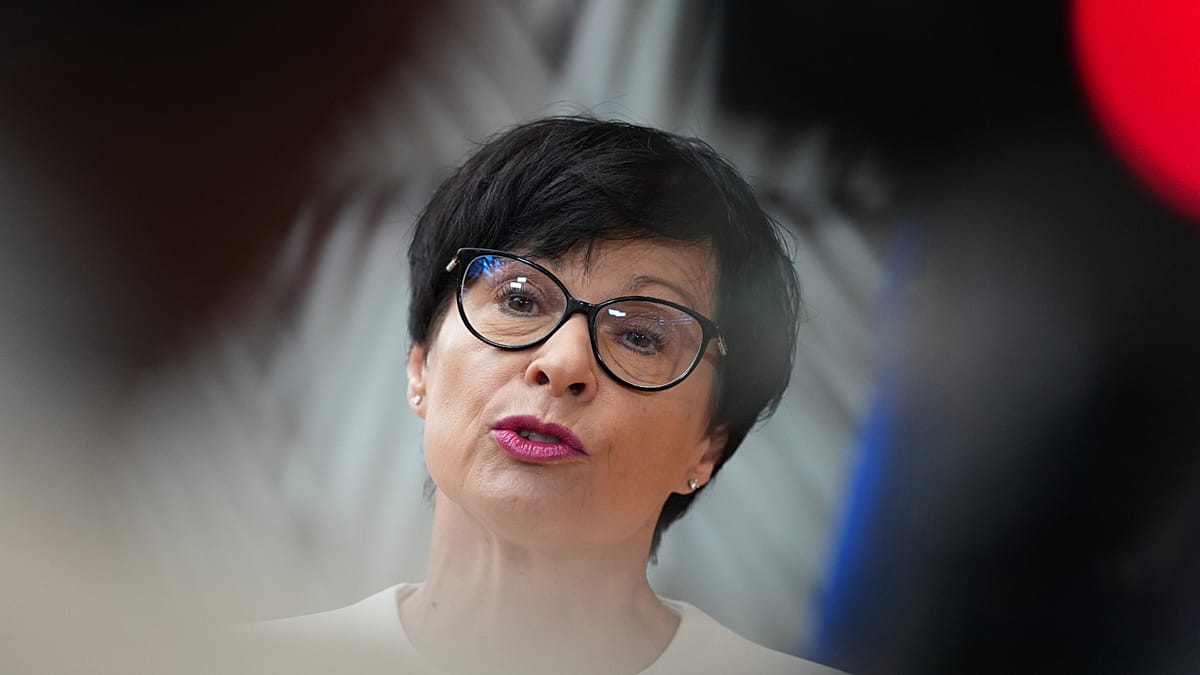
Marta Kos, the European Commissioner for Enlargement, has set a July deadline for opening all EU accession negotiation clusters for Ukraine and Moldova, urging member states to overcome months of deadlock. Speaking to reporters in Brussels on Monday, Kos emphasized that technical preparations are complete and that political will is now needed to move forward.
"I will urge all member states to formally open all the clusters," Kos said. "We have done a lot of front-loading, so everything is ready for it." The first cluster could be opened in June during Cyprus's rotating EU presidency, with the remaining five to follow by July once Ireland takes over the role. Kos also indicated that Ukraine is expected to receive the first tranche of a €90 billion loan backed by EU member states next week, after Hungary lifted a months-long veto.
Negotiation Clusters and Reform Benchmarks
The negotiation clusters cover major reforms required for alignment with EU standards, including rule of law and judicial reform. Each cluster requires that all benchmarks be met by the aspiring country, with final approval needing unanimous consent from all 27 member states. The European Commission has assessed that Ukraine is technically ready to begin the process, but progress has been stalled by Hungary's veto policy under former Prime Minister Viktor Orbán.
With the appointment of Prime Minister Magyar, who was sworn in on 9 April, Brussels hopes for a more constructive approach from Budapest. Magyar has defended Ukraine's territorial integrity under international law but has rejected any fast-track path to EU membership—a position shared by most member states. The Commission has praised Ukraine's progress but refuses to set a membership date, insisting the process remains merit-based. Kyiv, meanwhile, is pushing for a clear timetable.
The June deadline for the first cluster coincides with Magyar's first European summit as Hungarian prime minister, scheduled for mid-June. While opening clusters does not require leaders' approval and can be handled by diplomats, the summit is seen as a key test of relations between Kyiv, Brussels, and Budapest.
This renewed push comes amid broader discussions on EU enlargement and the bloc's strategic response to Russia's war in Ukraine. The EU remains divided over direct talks with Russia on a peace settlement, as highlighted in recent debates among member states. Meanwhile, Ukraine's top negotiator has traveled to Florida for US-brokered peace talks, signaling ongoing diplomatic efforts beyond European borders.
The July deadline set by Kos underscores the urgency Brussels places on advancing Ukraine's and Moldova's membership paths, even as challenges remain. The coming weeks will reveal whether member states can translate political will into concrete action.