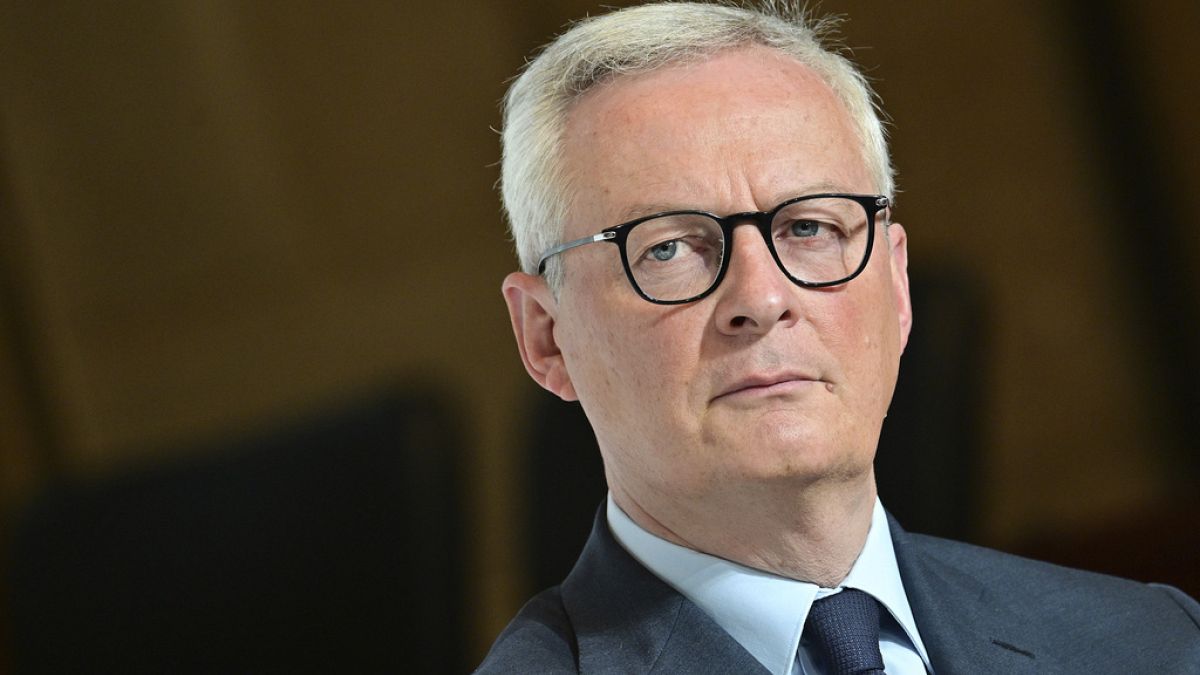
France has revised its 2024 economic growth forecast downward from 1.4% to 1%, Finance Minister Bruno Le Maire announced on Sunday during an interview on TF1. The government will implement €10 billion in spending cuts across every ministry and certain state initiatives with immediate effect, aiming to offset the weaker outlook.
Le Maire assured that the government will not raise taxes, instead relying on budget reductions to keep the deficit at 4.4% of GDP this year, down from 4.9% in 2023. The European Commission had earlier projected only 0.9% growth for France in 2024, underscoring the challenges facing the eurozone's second-largest economy.
Geopolitical Pressures and Domestic Priorities
The finance minister attributed the downgrade to the current geopolitical climate, citing Russia's war in Ukraine, the conflict in the Middle East, and broader economic difficulties in Europe and abroad. These factors have dampened demand and investment, particularly in export-oriented sectors.
Despite the cuts, Le Maire emphasized that maintaining aid for Ukraine remains a priority, as does support for French farmers. The government may announce a revised budget if further savings are needed, he added.
France's fiscal position is under scrutiny as it navigates a complex international landscape. The EU's recent growth forecast cuts highlight the ripple effects of global crises on European economies. Meanwhile, French Trade Minister warnings about China's industrial policies reflect broader concerns about European competitiveness.
The spending cuts will affect all ministries, though specific allocations have not been detailed. Le Maire's announcement comes as France prepares for the European Parliament elections in June, where economic management is a key issue.
France's growth revision aligns with a broader trend across Europe. While Poland and Portugal lead in real income growth, major economies like Germany and France face stagnation. The divergence underscores the uneven recovery from the pandemic and energy crisis.
Le Maire's commitment to no tax increases may reassure businesses and households, but the effectiveness of the spending cuts will depend on implementation. The government's ability to meet its deficit target while maintaining support for Ukraine and farmers will be closely watched by investors and EU partners.