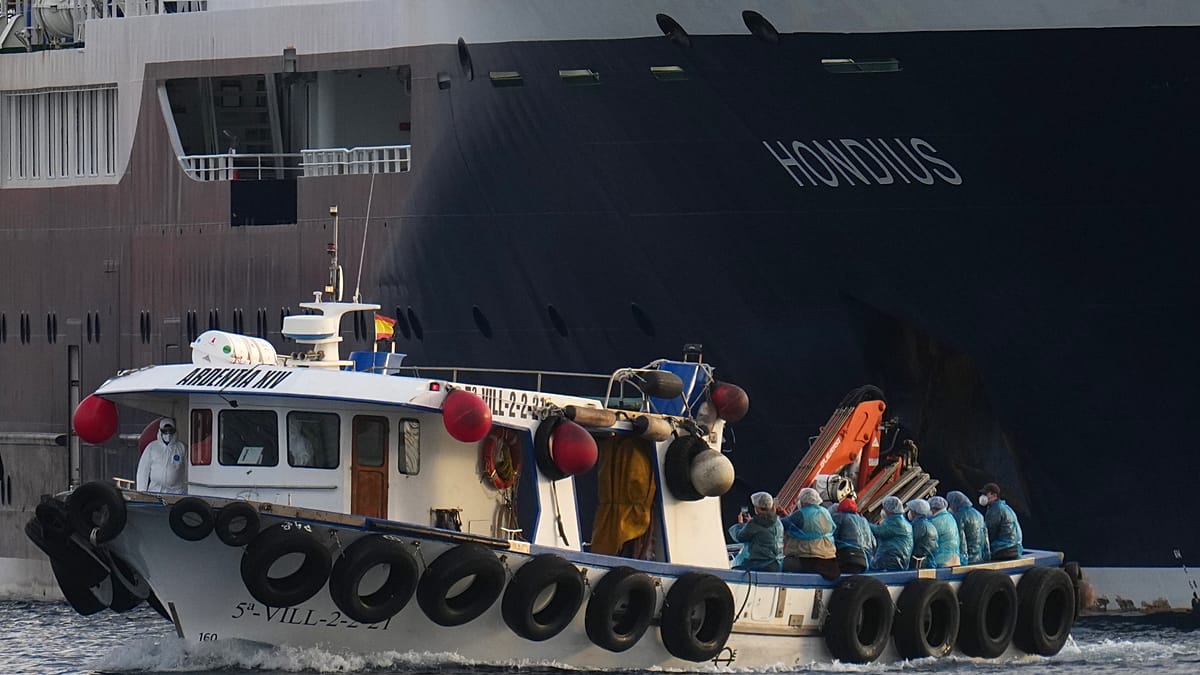
Spanish maritime authorities ordered the Dutch-flagged cruise ship MV Hondius to return to port in Granadilla, Tenerife, on Monday evening after a sudden storm disrupted the evacuation of passengers infected with hantavirus. The vessel, which had been bound for the Netherlands to complete the repatriation of 28 passengers, was forced to abort its departure when strong gusts of wind and high waves made it impossible to keep the ship stable during the evacuation operation.
Officials reported that the storm, which arrived unexpectedly as the maritime evacuation began, caused the MV Hondius to turn constantly. Attempts to stabilise the vessel failed, prompting the Capitanía Marítima to recommend immediate docking. The ship had been anchored off the coast of Tenerife since last week, following the detection of hantavirus cases among its crew and passengers.
Safety First, Says Spanish Health Minister
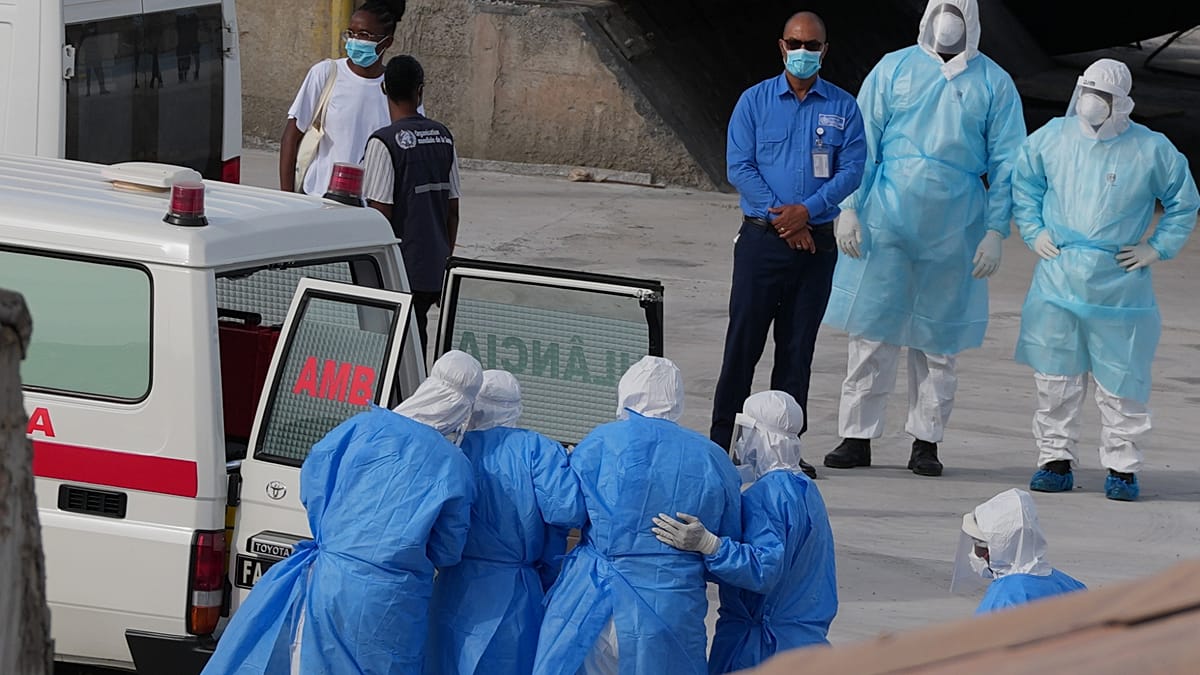
Spain’s Minister of Health, Mónica García, defended the decision on safety grounds. “For meteorological reasons and following the recommendation of the Capitanía Marítima, the MV Hondius has been temporarily moored in the Port of Granadilla. The strong wind and waves made it safer for the passengers to disembark and for the evacuation teams to work,” she said in a statement.
The move came after more than an hour of manoeuvres in deteriorating conditions. The port of Granadilla, located on the southeastern coast of Tenerife, is one of the island’s main commercial harbours and is equipped to handle emergency docking.
New Positive Case Confirmed in Madrid
On Monday evening, one of the 14 Spanish nationals evacuated from the MV Hondius tested provisionally positive for hantavirus at the Gómez Ulla hospital in Madrid. The patient remains isolated and symptom-free, while the rest of the evacuees are in quarantine after testing negative. The development adds to the growing list of confirmed cases linked to the cruise ship, which had been sailing from Cape Verde to the Canary Islands.
The World Health Organisation (WHO) warned on Monday that further cases could emerge in the coming days or weeks due to the long incubation period of the disease. “We may see cases in the next few days or next week, so we need to be vigilant,” said Olivier Le Polain, head of the WHO’s epidemiology unit. He explained that the incubation period can extend up to six weeks, though the average is around three weeks.
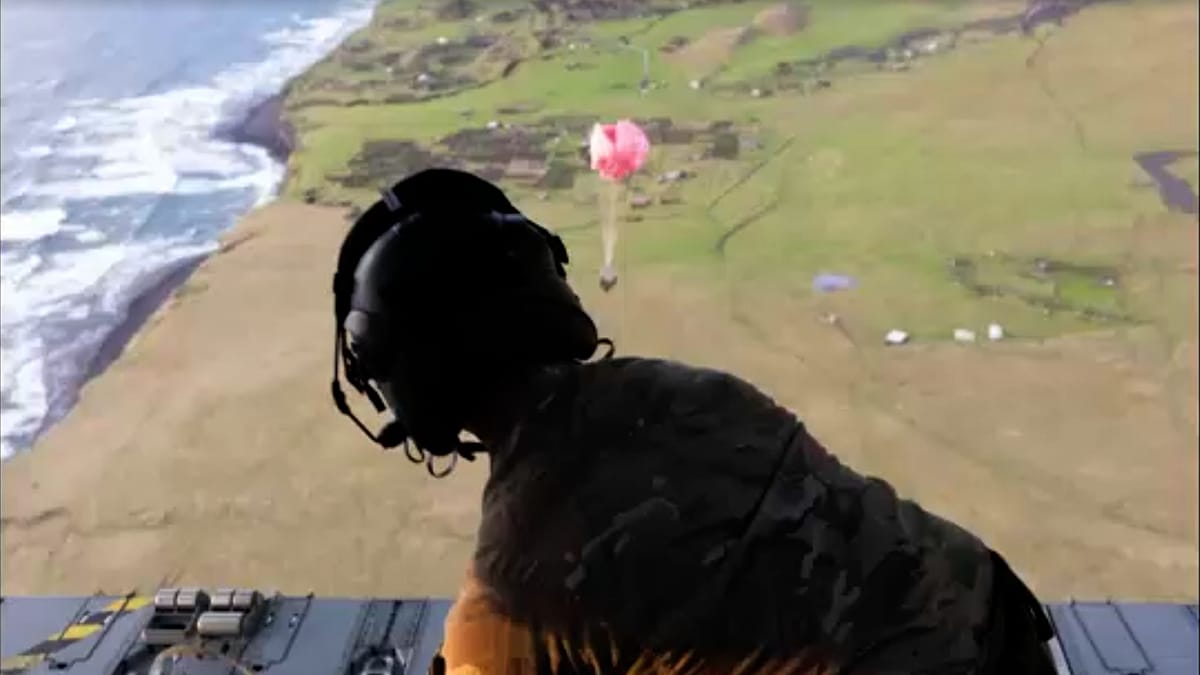
The outbreak has already prompted a coordinated European response. Passengers from several EU member states have been repatriated for quarantine, and health authorities in France, the Netherlands, and Spain are monitoring contacts. The UK has also been involved, with the Royal Air Force air-dropping medics to the remote island of Tristan da Cunha earlier this month after a suspected case there.
Political and Diplomatic Fallout
The crisis has also taken on a political dimension. Spanish Prime Minister Pedro Sánchez is scheduled to meet WHO Director-General Tedros Adhanom Ghebreyesus at the Moncloa Palace in Madrid on Tuesday morning to discuss the management of the health emergency. The meeting, set for 9:30 am, will be followed by a joint press conference. The timing is sensitive, as the evacuation operation remains incomplete and local residents in Tenerife have expressed concern about the ship’s presence.
Tenerife residents have remained calm, but the incident has revived debates about the adequacy of port health protocols and the coordination between Spanish and European authorities during health emergencies. The MV Hondius is operated by a Dutch company, and the passengers include citizens from multiple European countries, highlighting the cross-border nature of the outbreak.
The hantavirus, which is transmitted through rodent droppings and can cause severe respiratory illness, is rare in Europe but has been linked to outbreaks in the Americas and parts of Africa. The current cluster on the MV Hondius is believed to have originated from contaminated food or bedding during the ship’s voyage from Cape Verde.
As the storm passes and the evacuation resumes, European health officials remain on alert. The WHO’s warning underscores the need for continued surveillance, especially given the long incubation period. For now, the passengers and crew of the MV Hondius remain in limbo, their return home delayed by both a virus and the weather.