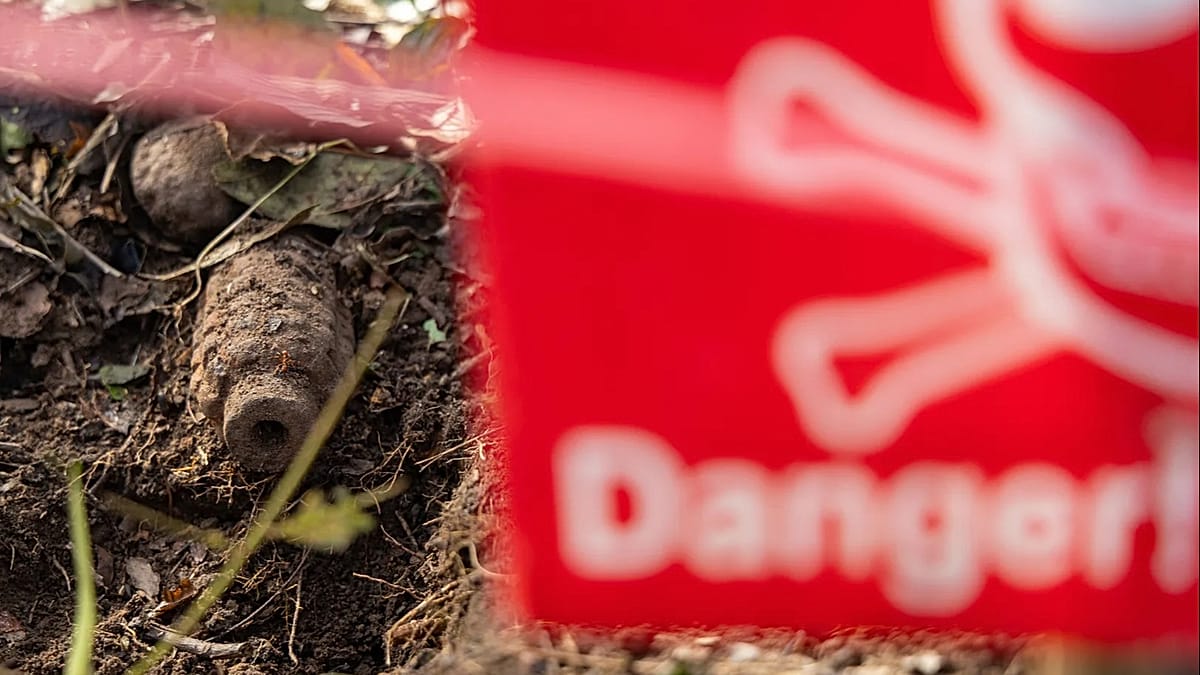
Nearly three decades after the adoption of the Anti-Personnel Mine Ban Treaty, landmines continue to exact a devastating toll across the globe. UN High Commissioner for Human Rights Volker Türk released a report on Tuesday revealing that at least 58 states and territories are still contaminated by these weapons, with heavy civilian casualties reported in Myanmar, Syria, Afghanistan, and Ukraine.
“It is deeply troubling that almost 30 years since the Anti-Personnel Mine Ban Treaty was adopted, these explosive weapons continue to kill and injure people, often decades after they were placed,” Türk said in a statement. He called on all states to recommit to ending the production, use, and transfer of landmines and to intensify cooperation in clearing existing minefields.
The report, which draws on data from governments, NGOs, humanitarian organisations, and civil society, cites the Landmine and Cluster Munition Monitor. In 2024 alone, at least 945 people were killed and 4,325 injured by landmines and explosive remnants of war. Among recorded casualties where military or civilian status was known, civilians made up approximately 90% of the total.
Casualties and Contamination
Myanmar recorded the highest number of casualties in 2024, with 2,029, followed by Syria (1,015), Afghanistan (624), and then Ukraine, Nigeria, Mali, Yemen, and Burkina Faso, each with more than 200 casualties. The International Campaign to Ban Landmines separately reported that mines and explosive remnants, including cluster munitions, killed or injured more than 5,000 people in 2025, again with civilians overwhelmingly affected.
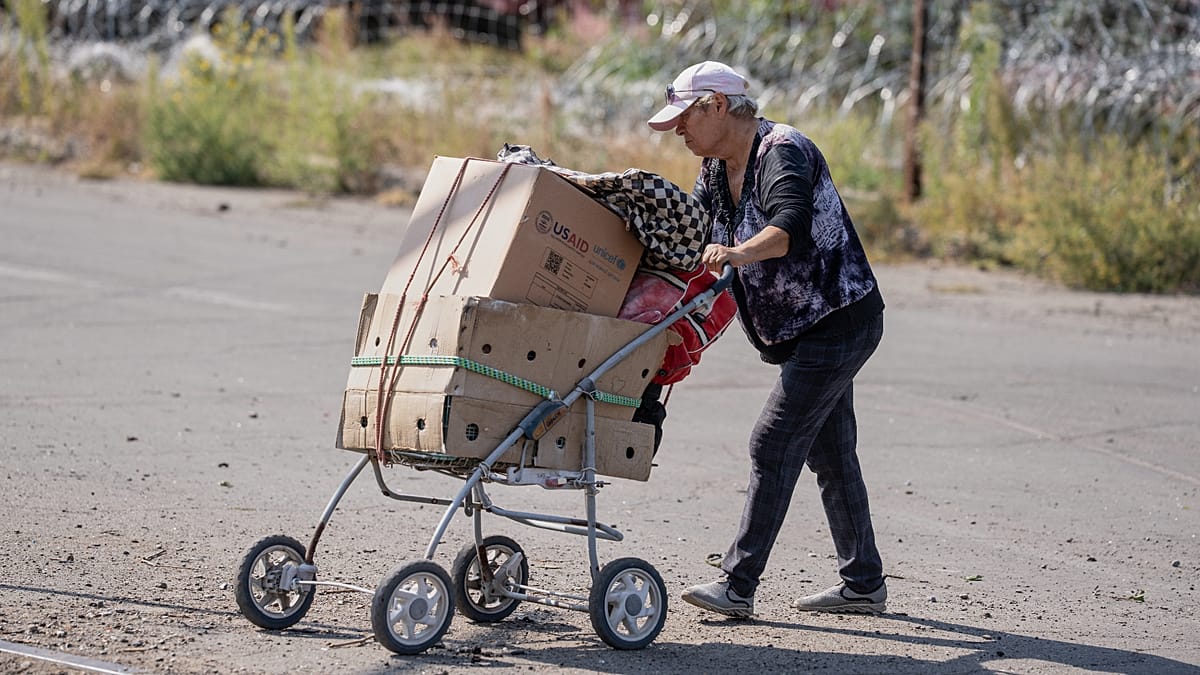
Türk’s office highlighted that children account for more than 40% of all civilian casualties from anti-personnel mines recorded since 1999. Beyond the immediate human cost, landmines render vast areas inaccessible, hampering human rights, prolonging displacement, and preventing agricultural use of land.
The Ottawa Mine Ban Convention currently has 162 states parties, but several countries with significant stockpiles remain outside the treaty. Notably, Estonia, Finland, Latvia, Lithuania, and Poland recently withdrew from the convention, and Ukraine is suspending its implementation. Türk urged states that have not yet ratified the treaty to do so promptly and called on those that have withdrawn to rejoin quickly.
He welcomed Lebanon’s recent decision to join the Ottawa convention, despite the ongoing conflict between Israel and Hezbollah. The report also noted a sharp decline in funding for mine action: contributions to the UN Voluntary Trust Fund for Assistance in Mine Action fell from $125 million (€107 million) in the seven years to 2025 to just $46 million (€39 million).
For Europe, the issue is particularly acute. The withdrawal of several Baltic and Nordic states from the treaty, combined with Ukraine’s suspension, underscores the continent’s shifting security landscape. The ongoing war in Ukraine has led to widespread contamination, and the EU has been grappling with the broader implications of mine use in conflict zones. As the bloc debates its defence posture, the humanitarian consequences of landmines remain a pressing concern.
The UN report serves as a stark reminder that despite international agreements, landmines continue to maim and kill long after conflicts end. Türk’s call for renewed commitment to the ban treaty resonates across Europe, where the legacy of past wars and current conflicts alike demand sustained attention and resources.