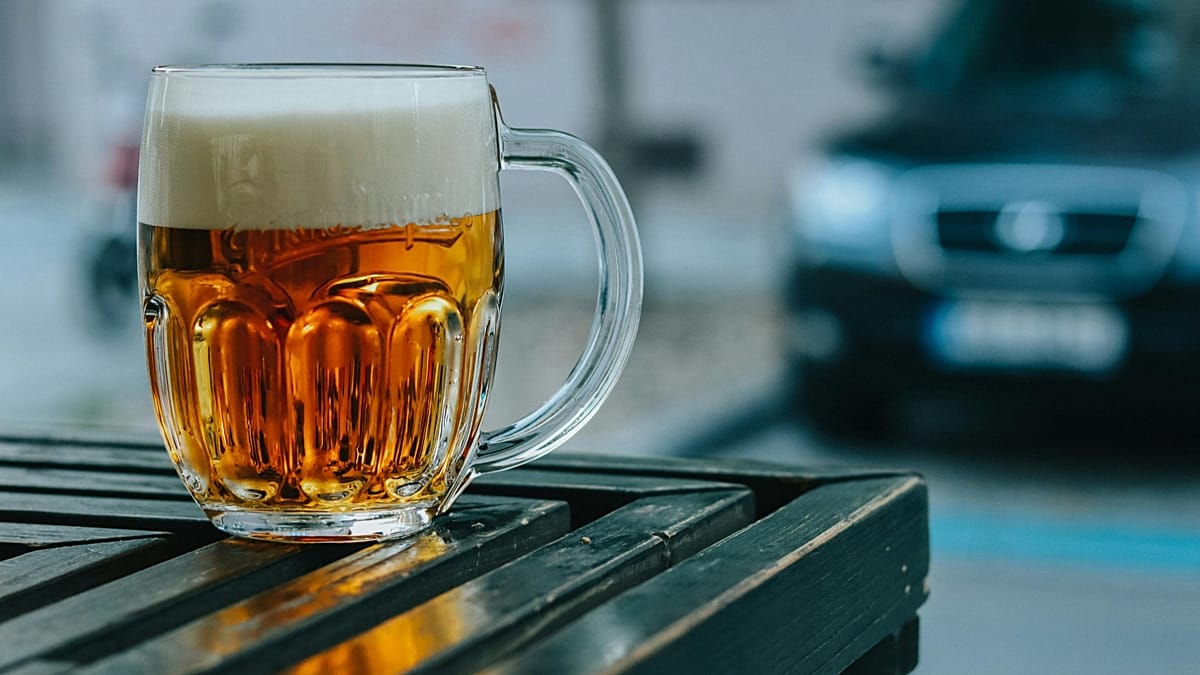
A new study published in the Journal of Agricultural and Food Chemistry suggests that beer may contain more vitamin B6 than scientists previously thought. Researchers analyzed 65 commercially available German beers using a novel laboratory technique and found that vitamin B6 concentrations varied widely but were consistently higher than earlier estimates.
Vitamin B6 is essential for brain function, blood health, and the immune system. The human body cannot produce it, so it must come from diet. According to the study, a standard beer serving could meet around 15% of the daily recommended intake. Deficiency is more common than many realize: roughly one in five European teenagers and one in ten Americans have insufficient levels, which has been linked to depression, cardiovascular disease, and inflammation.
Key Findings on Beer Types and Ingredients
The study found that total vitamin B6 concentrations ranged from 95 to over 1,000 micrograms per liter, depending on the beer type. The authors noted that variations were primarily associated with raw materials rather than brewing technology. Bock beer, a rich, strong style brewed with large quantities of barley malt, averaged around 808 micrograms per liter. Standard lagers came in at about 515 micrograms, while wheat and rice beers had the lowest concentrations.
Barley is the key ingredient, containing nearly four times as much vitamin B6 as rice. The authors state that beer brewed from barley has significantly higher overall B6 contents.
Alcohol-Free Beer Retains Nutrients
The researchers found no significant difference in vitamin B6 content between regular lager and its alcohol-free equivalent. Stripping out the alcohol does not strip out the nutrients. The study identified two broad methods for producing alcohol-free beer: limiting fermentation from the start, which leaves higher sugar levels, or allowing full fermentation and then physically removing the alcohol through processes such as vacuum distillation or membrane filtration. The latter technique appears to have a positive impact on B6 concentration.
Some alcohol-free lagers performed particularly well. The highest-scoring sample contained 761 micrograms per liter, enough that a standard 500ml bottle would cover roughly a quarter of a woman's recommended daily B6 intake.
Health Considerations
Despite these findings, the study's authors acknowledge that the World Health Organization has stated there is no completely safe level of alcohol consumption. Alcohol is classified as a Group 1 carcinogen, meaning it is known to cause cancer in humans. Consumption is also linked to higher risks of liver disease, heart issues, and negative effects on brain function.
Last year, research published in BMJ Evidence-Based Medicine involving around 560,000 people in the UK and US found that greater alcohol consumption was linked to higher dementia risk. Stephen Burgess, a statistician at the University of Cambridge, said: “For anyone who chooses to drink, our study suggests that greater alcohol consumption leads to higher risk of dementia.” Another study using brain scans found that drinking one or two units of alcohol per day was associated with reductions in brain volume and changes to its structure, which may be linked to memory loss and dementia.
For those who choose to drink, the study offers a nuanced perspective: beer can be a source of vitamin B6, but the risks of alcohol consumption remain significant. As with many dietary choices, moderation is key.