On Friday, Niger's military junta, which has been in power since a coup in July 2023, announced the immediate suspension of nine French media outlets, accusing them of broadcasting content that could "seriously endanger public order, national unity, social cohesion and the stability of institutions." The decision, broadcast on state television, targets a wide range of outlets including France 24, Radio France Internationale (RFI), Agence France-Presse (AFP), TV5 Monde, TF1 Info, Jeune Afrique, Mediapart, France Afrique Média, and LSI Africa. The suspension applies across all platforms—satellite, cable, digital, and mobile—effectively silencing French-language media in the country.
Escalating Crackdown on Foreign Media
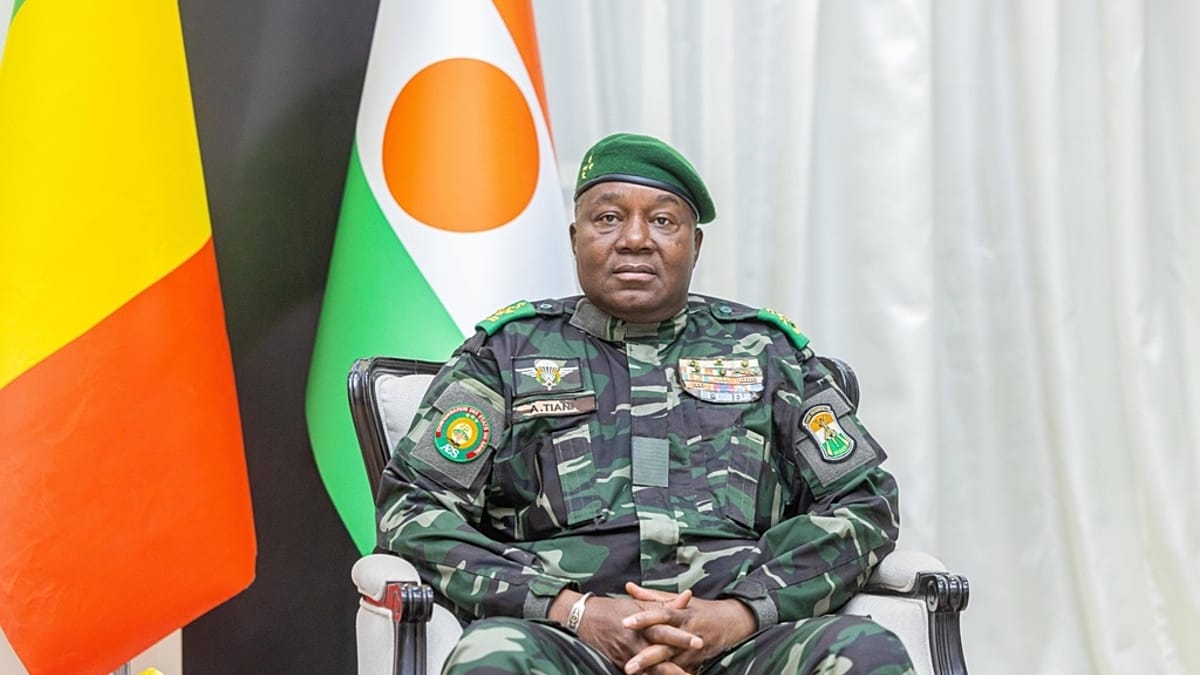
This is not the first time Niger has targeted foreign broadcasters. RFI and France 24 were suspended shortly after the 2023 coup, and the British BBC was banned in December 2024. The junta, led by General Abdourahamane Tchiani, has steadily severed ties with former colonial power France, expelling French troops and turning to Russia for security and economic partnerships. The latest ban comes just days before a summit between France and African nations in Kenya, which Niger, along with fellow junta-led states Mali and Burkina Faso, will not attend.
The crackdown extends beyond French media. On Tuesday, Burkina Faso banned TV5 Monde, accusing the channel of "disinformation" and "apology for terrorism" in its coverage of jihadist violence. Reporters Without Borders condemned the ban as "based on opaque elements." Mali has also imposed similar restrictions on French outlets. All three countries are members of the Confederation of the Alliance of Sahel States (AES), a bloc formed by military juntas that have increasingly aligned with Russia and China while denouncing Western "imperialism."
Press Freedom in Freefall
Niger's press freedom record has deteriorated sharply since the coup. In 2026, the country fell 37 places in the Reporters Without Borders (RSF) World Press Freedom Index, landing at 120th out of 180 countries. The junta has enacted laws criminalizing online dissemination of "information likely to disturb public order" and suspended nearly 3,000 local and foreign NGOs in 2025, accusing them of lacking transparency and supporting "terrorists."
Nigerien journalists have also been targeted. This week, two journalists—Gazali Abdou, a correspondent for Germany's Deutsche Welle, and Hassane Zada, editor-in-chief of a regional newspaper—were released after months of imprisonment. According to the UN, 13 journalists were arrested in Niger in 2025, and local media report that six remain detained on charges including undermining national defense and plotting against the state. RSF and Amnesty International have repeatedly voiced deep concern over these violations.
The broader context is a region where anti-French sentiment is high, and press freedom is under assault. The Sahel has become a diplomatic battleground, with Russia and China expanding influence while Western media are increasingly portrayed as tools of neocolonial interference. For European audiences, this trend raises questions about the future of independent journalism in former French colonies and the EU's ability to support press freedom in a region where its traditional partners are being sidelined.
As the junta consolidates power, the silencing of French media marks another step in Niger's divorce from Europe. The question remains whether other AES members will follow suit, further isolating the region from international scrutiny.