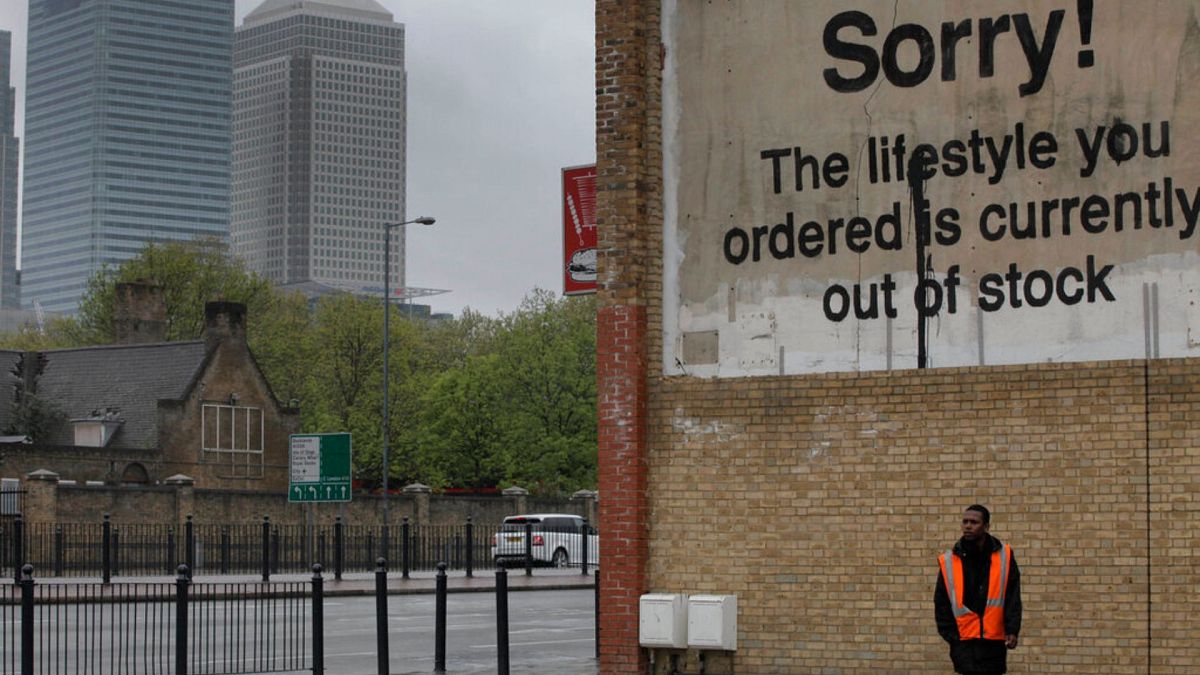
A new pan-European survey paints a stark picture of household finances across the continent, with 29% of respondents describing their situation as "precarious" and vulnerable to any unexpected expense. The second European Barometer on Poverty and Precariousness, conducted by Ipsos for the French charity Secours Populaire, polled 10,000 people across multiple countries and found that financial strain has deepened over the past three years.
Only 15% of Europeans said they feel confident enough not to worry about daily spending. The rest report making difficult trade-offs, from skipping meals to forgoing heating. The findings underscore a persistent cost-of-living crisis even as headline inflation rates have begun to moderate.
Meals, heating, and health: the compromises mount
Nearly one in three Europeans admitted to skipping a meal when hungry, with the highest rates reported in Greece and Moldova. Overall, 38% said they can no longer regularly afford three meals a day, while just 42% have never had to skip breakfast, lunch, or dinner due to financial constraints.
Parents are particularly affected. The survey found that 21% of parents have limited their own food intake to ensure their children eat enough. This echoes findings from the Joseph Rowntree Foundation in the UK, which in June reported that 5.7 million low-income households lack sufficient money for food—a situation it called a "horrendous new normal."
Beyond food, Europeans are cutting back on essentials. Many report not turning on heaters, borrowing money, or delaying medical treatment. The survey highlights how inflation has forced households into a cascade of compromises, with energy costs alone rising 18% year-on-year in some categories.
Widespread anxiety about the future
Nearly half of all respondents said they face a high risk of falling into a precarious situation in the coming months, as wages fail to keep pace with rising prices. This anxiety is broadly shared: over half of those surveyed across most countries said they worry about coping with inflation, particularly in food, energy, and other everyday expenses.
The European Union's at-risk-of-poverty rate stood at 17% in 2021, according to Eurostat, but the new survey suggests the actual number of people feeling financial strain is significantly higher. While inflation figures have started to stall, the elevated prices for basic goods have not yet receded, leaving many households in a prolonged squeeze.
In some countries, the situation is acute. The survey's findings on Greece and Moldova point to deeper structural issues, while the UK—no longer an EU member but part of the wider European landscape—faces its own crisis of food insecurity. Across the continent, the data suggests that the pandemic-era safety nets have been insufficient to shield families from the current wave of price increases.
As European policymakers debate budget priorities and social spending, the survey serves as a reminder that for millions of citizens, the cost-of-living crisis is far from over. The question now is whether governments can respond with targeted measures—such as expanded free school meals, as explored in recent research linking such programs to fewer suspensions—or whether the gap between rhetoric and reality will continue to widen.