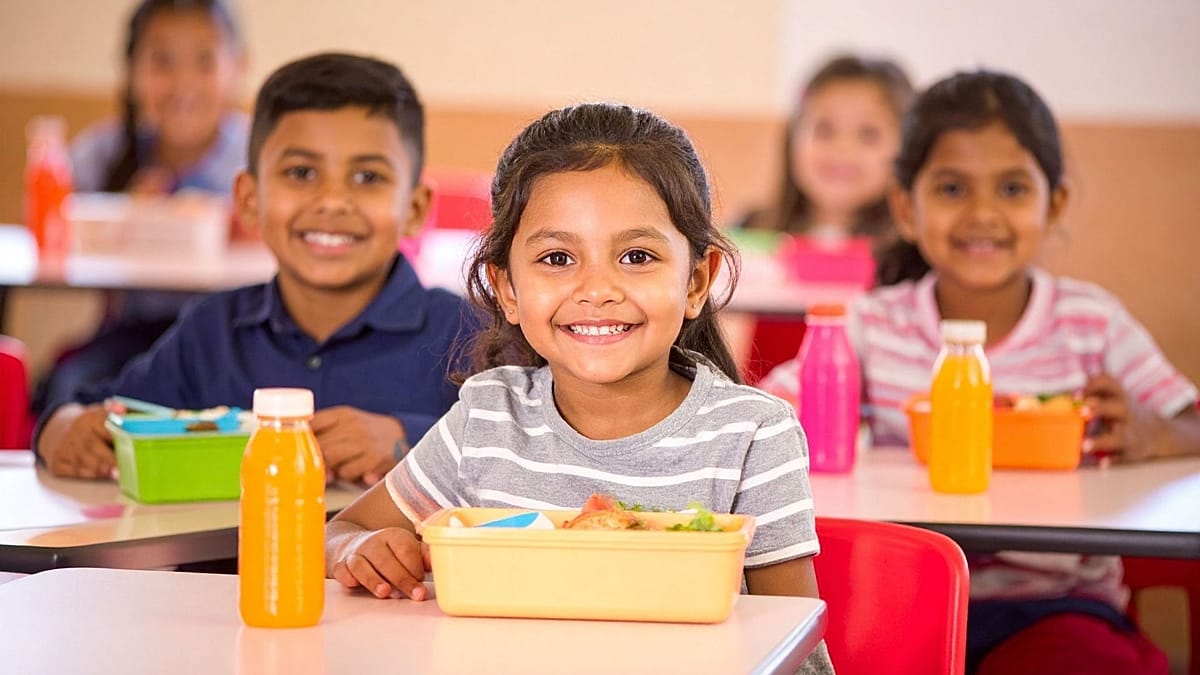
A fresh study from researchers in the United States and South Korea suggests that universal free school meals can significantly improve student behaviour, reducing out-of-school suspensions by roughly 10% in primary schools and 6% in secondary schools. The findings, based on data from 95,000 US schools collected between the 2011–2012 and 2017–2018 academic years, offer a compelling argument for European policymakers to expand such programmes.
Out-of-school suspension—a disciplinary measure that temporarily excludes students from class—remains common in countries like the United Kingdom and Spain, though it is banned in Sweden. Several European institutions have increasingly advocated for more inclusive disciplinary approaches, and this research adds weight to that push.
How Europe Compares on Free School Meals
Across the continent, approaches to school meals vary widely. Finland, Sweden, and Estonia provide free school meals universally across most or all school years, ensuring every child receives a nutritious lunch regardless of family income. Latvia and Lithuania offer free meals only for certain year levels, while Denmark and the Netherlands operate no nationwide free school meal programmes at all.
“Our findings highlight universal free meals as not just a nutrition policy, but a tool for improving school climate and equity, especially in schools that previously served fewer low-income students,” said Andres Cuadros-Meñaca, a researcher at the University of Northern Iowa. The effects were strongest in schools that had previously served fewer pupils eligible for free or reduced-price meals.
Previous research had found no clear effect of universal free meals on suspensions. The authors say their new results differ because they used newer data and methods that “better account for schools adopting the policy” at different times.
For European nations, the implications are clear. Countries like the UK and Spain, where out-of-school suspension is still widely used, could see behavioural improvements by adopting universal free meal programmes. Meanwhile, Sweden’s ban on the practice aligns with the study’s findings that inclusive approaches may reduce the need for exclusionary discipline.
The study also touches on broader equity issues. In the US, schools that adopted universal free meals saw the biggest drops in suspensions among students who previously lacked access to subsidised meals. This suggests that removing the stigma of means-tested programmes can foster a more positive school climate.
European Pulse has previously covered how Malta offers free ChatGPT Plus to citizens as part of a national AI literacy programme, highlighting different approaches to public investment in education. Similarly, a Spanish study linked the Mediterranean diet to improved fertility outcomes, underscoring the role of nutrition in health.
As European countries debate school meal policies, this research provides a data-driven case for universal programmes. While cost remains a barrier for some nations, the potential benefits—both for student behaviour and educational equity—are substantial.