A Belgian court has authorised Mohamed Bakkali, a central figure in the November 2015 Paris attacks, to leave prison on six separate occasions for 36 hours each, a move that has provoked widespread condemnation in both Belgium and France. Bakkali, who was sentenced to 30 years in prison by a French court in 2022 for his role in coordinating the attacks that killed 130 people and injured hundreds more, is currently held at the Ittre maximum-security facility in Belgium.
The Brussels court's decision, reported by Belgian prosecutors on Friday, was made despite their opposition. The prosecutor's office stated that it has no right to appeal, rendering the ruling final. According to Le Monde, these temporary leaves are a preliminary step toward potential parole under electronic monitoring, a prospect that has inflamed public sentiment.
Political and Public Backlash
The news has drawn sharp rebukes from politicians and legal experts across the continent. Thibault de Montbrial, a French lawyer and president of the Centre for Reflection on Internal Security, wrote on X: "His prison releases and his possible upcoming release after serving one-third of his sentence are a slap in the face to the victims, to the investigators, and to the justice of democracies."
Matthieu Valet, a Member of the European Parliament from France's far-right National Rally party, described the decision as "a huge middle finger to French justice and the victims." He added: "Those who take part in these networks must serve their full sentences, without privileges."
In Belgium, Denis Ducarme, a Member of Parliament from the Reformist Movement, likened the move to "turning one's back on the memory of the victims and the pain of the families." He concluded: "What a country. What a disgrace." Alexander van Hoecke, a Vlaams Belang MP, announced that his party would submit a bill to ensure "convicted terrorists are no longer eligible for an exit permit or penitentiary leave."
Justice Minister Annelies Verlinden defended the decision, stating it was granted after "a thorough review of the case" and under "very strict conditions." However, the lack of an appeal option has left many questioning the robustness of Belgium's judicial safeguards.
Bakkali's Criminal History
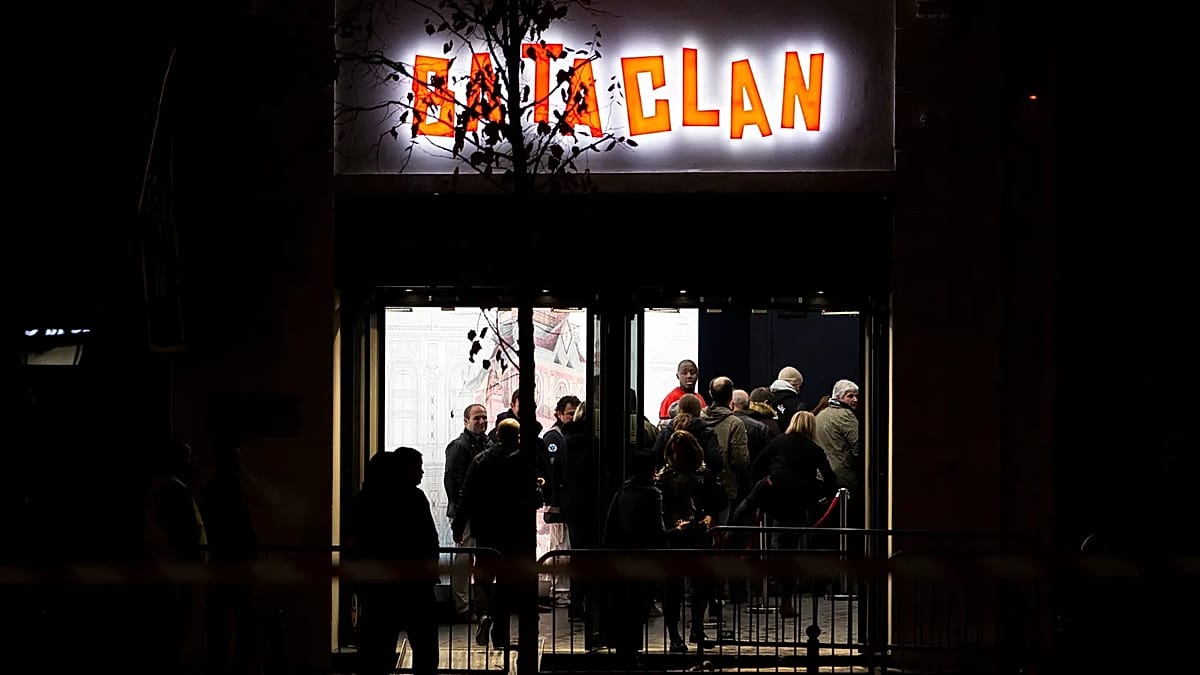
Bakkali was extradited to Belgium in 2018 after his French conviction. He also received a 25-year sentence in Belgium for his involvement in planning an attack on a Thalys train travelling from Amsterdam to Paris. The 2015 Paris attacks, which included coordinated shootings and bombings at the Bataclan theatre and other sites, remain one of the deadliest terrorist incidents in European history.
The decision comes amid broader concerns about prison conditions across Europe. A recent report highlighted that European prison overcrowding worsens, with nine countries at critical levels, raising questions about the management of high-profile detainees.
For many, the prospect of Bakkali's eventual release under electronic monitoring feels like a profound injustice. The attacks, which also injured hundreds, left deep scars on French society and prompted a state of emergency that lasted nearly two years. The Bataclan theatre, where 90 people were killed, has since become a symbol of resilience, but the pain remains raw for survivors and families of victims.
As the debate intensifies, the case underscores the tension between judicial processes and public expectations of justice for terrorism-related crimes. The European Union has grappled with harmonising counter-terrorism measures, but national decisions like this one highlight the disparities in how member states handle convicted terrorists.
In a related development, a Paris concert raised funds for Lebanon's humanitarian crisis, showing the city's cultural resilience, but the Bakkali case serves as a stark reminder of the ongoing challenges in balancing security, rehabilitation, and victim rights.