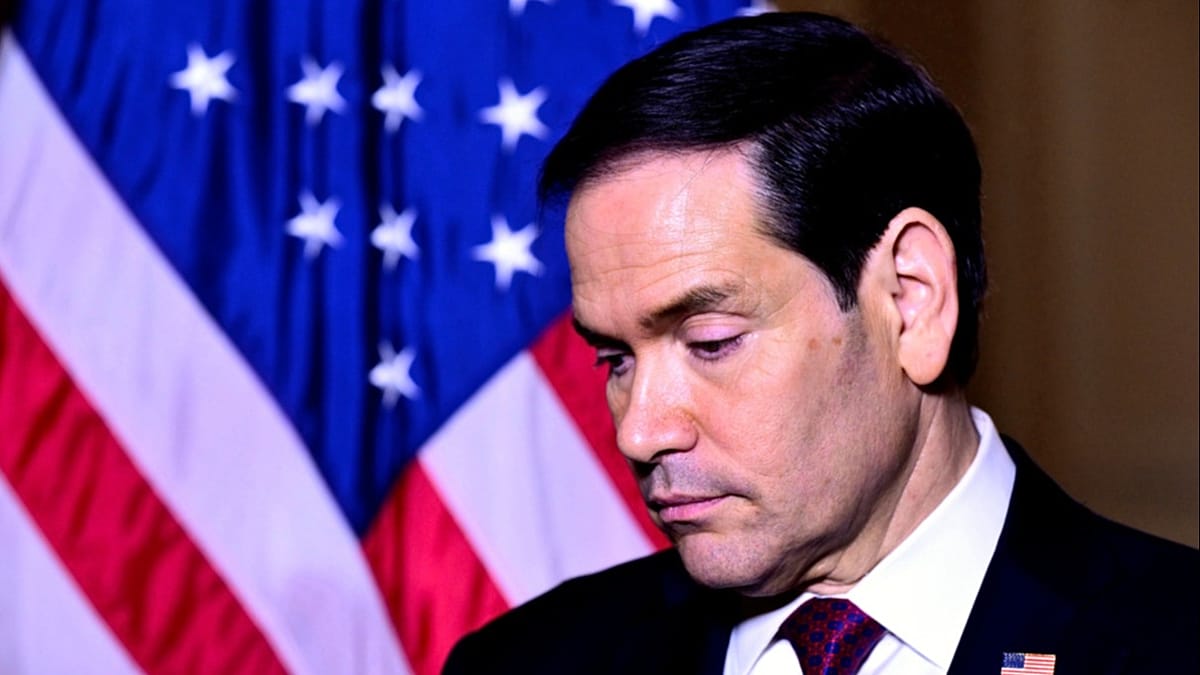
US President Donald Trump and Secretary of State Marco Rubio have escalated rhetoric against Cuba, with Trump suggesting he may be the first president to order military intervention on the island. Speaking from the Oval Office on Thursday, Trump told reporters that previous administrations had considered action for decades but that he might be the one to carry it out.
Rubio, the son of Cuban immigrants and a longstanding critic of Havana's socialist leadership, expressed doubt that diplomatic efforts could succeed with the current government. While emphasizing that Washington prefers a negotiated settlement, he acknowledged the likelihood of such an outcome is low. “I’m just being honest with you, you know, the likelihood of that happening, given who we’re dealing with right now, is not high,” Rubio said in Miami before departing for a NATO meeting in Sweden and a subsequent visit to India.
Indictment and Sanctions
The renewed threats follow a federal indictment unsealed Wednesday against former Cuban leader Raúl Castro, accusing him of ordering the 1996 shootdown of civilian planes operated by Miami-based exiles. The charges, secretly filed by a grand jury in April, include murder and destruction of an aircraft. Cuban President Miguel Díaz-Canel condemned the indictment as a political maneuver aimed at justifying potential military aggression.
Rubio declined to discuss how the US might enforce the indictment against Castro, who turns 95 next month. The administration has also imposed additional sanctions on Cuba in the past week, following what US officials described as unproductive talks with Cuban representatives. Top Trump aides, including Rubio and CIA chief John Ratcliffe, had met with Cuban officials in recent months to explore possible improvements in relations, but the US side came away unimpressed.
Rubio warned that Havana would not be able to outlast the Trump administration, as it has done with previous US governments. “They’re not going to be able to wait us out or buy time. We’re very serious, we’re very focused,” he said.
Military Options and Regional Context
When asked whether Washington would use force to change Cuba's political system, Rubio reiterated that a diplomatic settlement is preferred but noted that “the president always has the option to do whatever it takes to support and protect the national interest.” He pushed back on suggestions that this amounted to nation-building, insisting it was about addressing a national security risk.
The Castro indictment has drawn comparisons to the Trump administration's capture of former Venezuelan President Nicolás Maduro in a military operation earlier this year. Maduro, now imprisoned in the US on federal drug trafficking charges, has pleaded not guilty. Trump has been threatening military action in Cuba since ousting Maduro and imposing an energy blockade that choked off fuel shipments to the island, leading to severe blackouts, food shortages, and economic collapse.
For European observers, the situation raises questions about stability in the Caribbean and the potential for broader US military engagement in the region. The EU has maintained diplomatic relations with Cuba, and any US military action could complicate European foreign policy objectives. The bloc's member states, including Spain and France, have historically advocated for dialogue over confrontation with Havana.
As the Trump administration intensifies pressure on Cuba, European capitals will be watching closely. The outcome of this standoff could affect transatlantic relations, particularly if Washington's actions are perceived as unilateral or destabilizing. The EU's own approach to Cuba, which balances engagement with criticism of human rights abuses, may face new challenges if the US escalates further.