Across Spain, a familiar scene is playing out in lecture halls: a student submits a polished, well-structured assignment, only to falter when the lecturer asks a follow-up question. The suspicion? Artificial intelligence did the heavy lifting.
The arrival of tools like ChatGPT has upended traditional study habits and, in turn, forced a fundamental rethink of how students are assessed. According to a recent report by the CYD Foundation, 89% of Spanish university students now use AI tools in their academic work. For many, it is a daily habit—used to clarify concepts, draft essays, or even generate entire assignments.
This reliance has created an unprecedented challenge: work completed outside the classroom no longer reliably signals that a student has mastered the material. As a result, universities across the country are redesigning their evaluation methods.
Oral Exams Make a Comeback
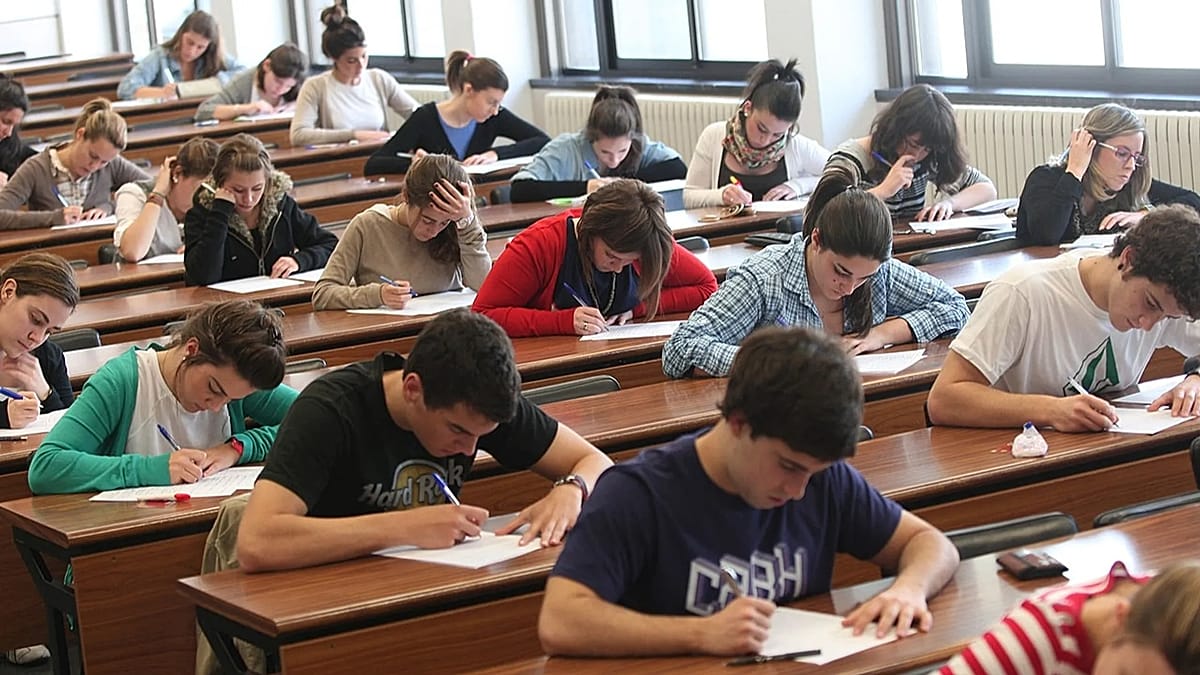
In response, a growing number of institutions are turning to formats that demand real-time demonstration of knowledge. Oral exams, long out of fashion, are returning. Students must now explain concepts, defend arguments, and answer questions without external aids. Assignment defences are also becoming more common—submitting a document is no longer enough; students must justify and discuss its content.
Many universities are increasing the weight of in-person tests to reduce dependence on take-home work. The shift is not merely logistical; it reflects a deeper concern about what assessment actually measures in an AI-enabled world.
The debate has reached university ombuds offices, which protect the rights of students and staff. On 21 May, the University of Almería hosted a conference on artificial intelligence after receiving what organisers described as a “flood of enquiries” about conflicts arising from AI use. Vice-Rector Maribel Ramírez warned that AI “is rapidly transforming multiple areas of university life” and pointed to challenges around data protection, transparency, and bias that “cannot be ignored.” University ombudsman Bernardo Claros noted that institutions are already fielding “many requests for intervention” related to AI in assessment, calling for “a common response.”
These statements underscore that the issue extends beyond academic cheating to encompass ethical, legal, and community dimensions.
Not All Risk: AI’s Potential in Education
Despite the concerns, artificial intelligence is not seen solely as a threat. The CYD Foundation report indicates that a majority of students believe AI can improve their academic performance. Universities also recognise its potential to personalise teaching, facilitate research, and improve lesson preparation.
Yet there is a darker side. Over-reliance on technology risks reducing student effort and fostering superficial learning. The challenge, educators say, is to harness AI’s benefits without undermining the development of critical thinking and problem-solving skills.
This transformation is not limited to Spain. Across Europe, from the healthcare sector to climate policy, institutions are grappling with how to integrate AI responsibly. In education, the shift goes beyond tweaking exam formats; it represents a structural change in how learning is understood. For years, the system valued memorisation and written assignments. Now that machines can perform many of those tasks, skills like critical thinking, the ability to explain ideas, and real-time problem-solving are gaining prominence.
As universities in Madrid, Barcelona, and Almería adapt, the question remains: how do you assess knowledge when a machine can produce correct answers in seconds? The answer, for many Spanish institutions, is to bring the exam back into the room.