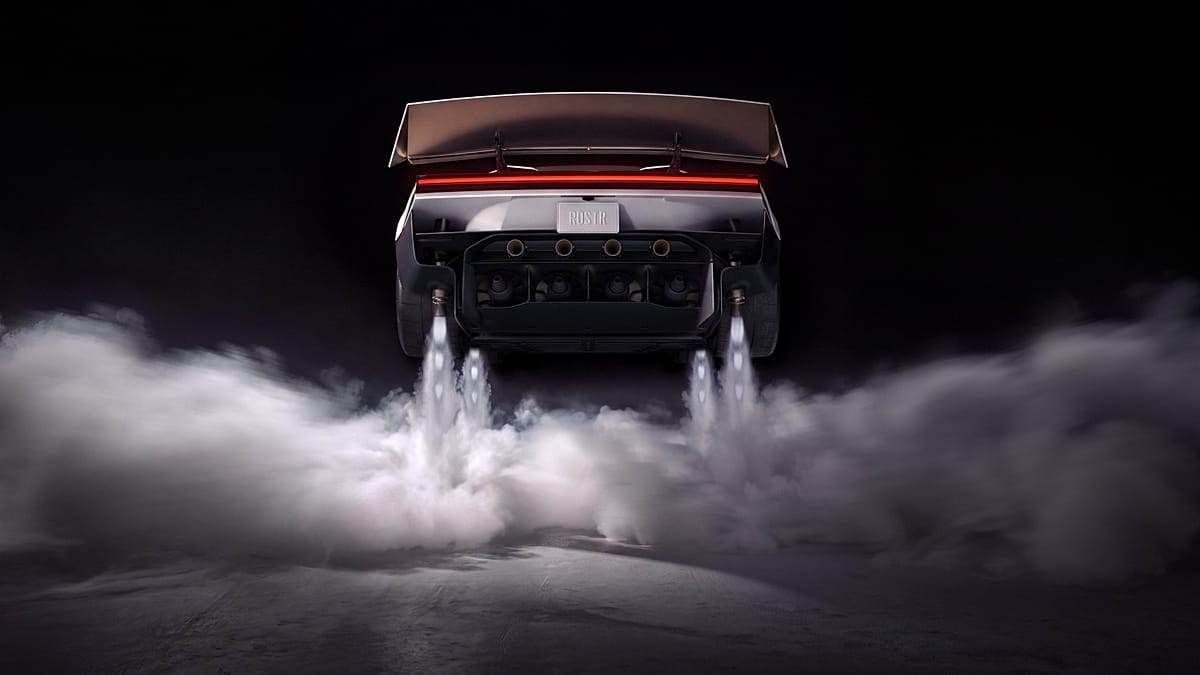
At a flashy event in Texas, Tesla unveiled its next-generation Roadster, complete with a jaw-dropping kickflip and the ability to hover using cold-gas thrusters developed with SpaceX technology. The spectacle, reminiscent of a scene from Knight Rider, was designed to showcase the engineering prowess of Elon Musk's companies. Yet, despite the buzz, industry analysts contacted by European Pulse are skeptical about the car's commercial impact.
A branding exercise rather than a revenue driver
Mamta Valechha, a consumer discretionary analyst at Quilter Cheviot, described the reveal as a “headline-grabbing engineering moment” aimed at “generating excitement around the brand.” Rico Luman, senior sector economist for transport and logistics at ING, called it “a publicity stunt which emphasises Tesla’s image as an innovative company, which offers brand value,” adding that cars are still about emotion and lifestyle, so the demonstration makes an impression.
Gene Munster, managing partner at Deepwater Asset Management, went further on X, calling the demonstration “an engineering flex with no commercial value beyond embarrassing traditional car makers.” Even Musk himself has previously downplayed the Roadster’s financial significance, according to Valechha. “The commercial value is likely to be strengthening Tesla's innovation narrative rather than generating meaningful profits,” she noted.
The Roadster was first unveiled in 2017, with Musk suggesting a year later that thrusters might allow it to fly. Production was originally promised for 2020, but repeated delays have pushed the start to 2028. Reservations are now open, though the flying “Rocket” version is by invitation only, and no final prices have been announced. “Credibility and execution risks remain high,” summarised Valechha.
Regulatory hurdles for flying cars
Even if the Roadster does take to the skies, its flying capabilities are not approved for public road use, and broader deployment faces significant obstacles. Luman noted that the flying car is designed as a niche sports vehicle, but “larger scale flying car activity won’t be realistic in the foreseeable future as the same airspace rules apply as for aircraft and certification as aircraft by EASA (in Europe) is then required.”
The European Union Aviation Safety Agency (EASA) told European Pulse that it does not comment on specific certification applications, but stressed that “any vehicle intended to operate as an aircraft would need to meet the applicable aviation safety requirements,” which could include pilot qualifications for the driver. Airspace is already congested, particularly with increasing drone activity, and Luman believes “large numbers of uncontrolled flying cars won’t likely be allowed by authorities for safety reasons.”
Valechha sees limits to how widely the technology could be adopted. “Some technologies could filter into other vehicles over time, but flying or thruster-assisted features are unlikely to be economically viable for higher-volume cars in the foreseeable future due to cost, complexity and regulatory hurdles.” Luman agreed, adding that some space technology could be useful in high-end cars, but “flying cars in general may be a cheaper alternative for private jets, but not in this concept.”
Pressure to turn technology into profits
Tesla, like many big tech companies, is growing but faces pressure to convert expensive technology projects into stronger profits. The company is investing heavily in new technology while profit growth lags behind sales. In the second quarter, revenue rose 26% year-on-year to $28.24bn (€25.20bn), but net profit attributable to shareholders fell about 5% to $1.11bn (€990m). First-half capital spending more than doubled to $8.28bn (€7.39bn), and Tesla expects capital spending above $25bn (€22.31bn) in 2026, driven by AI and manufacturing investments.
Investors have been pricing the company's value gradually lower than at the beginning of the year, when Tesla shares traded at $438. On Thursday, they cost more than $362, amounting to a 14.6% fall in 2026 so far. Analysts also note that Tesla's valuation is largely based on its self-driving ambitions, the Optimus humanoid robot, and hopes of a SpaceX merger.
Merger speculation and the Roadster's appeal
The SpaceX-derived technology in the Roadster has fueled speculation that the two companies could merge. Barclays analyst Dan Levy has suggested an announcement might come before Tesla's annual shareholder meeting, according to Barron's. However, a deal remains speculative, with no certainty about whether or when it would happen.
For now, the Roadster's clearest appeal may be to wealthy enthusiasts. As Tesla continues to push the boundaries of what's possible on the road—and above it—the company's ability to turn these innovations into sustainable profits remains a key question for investors across Europe and beyond.