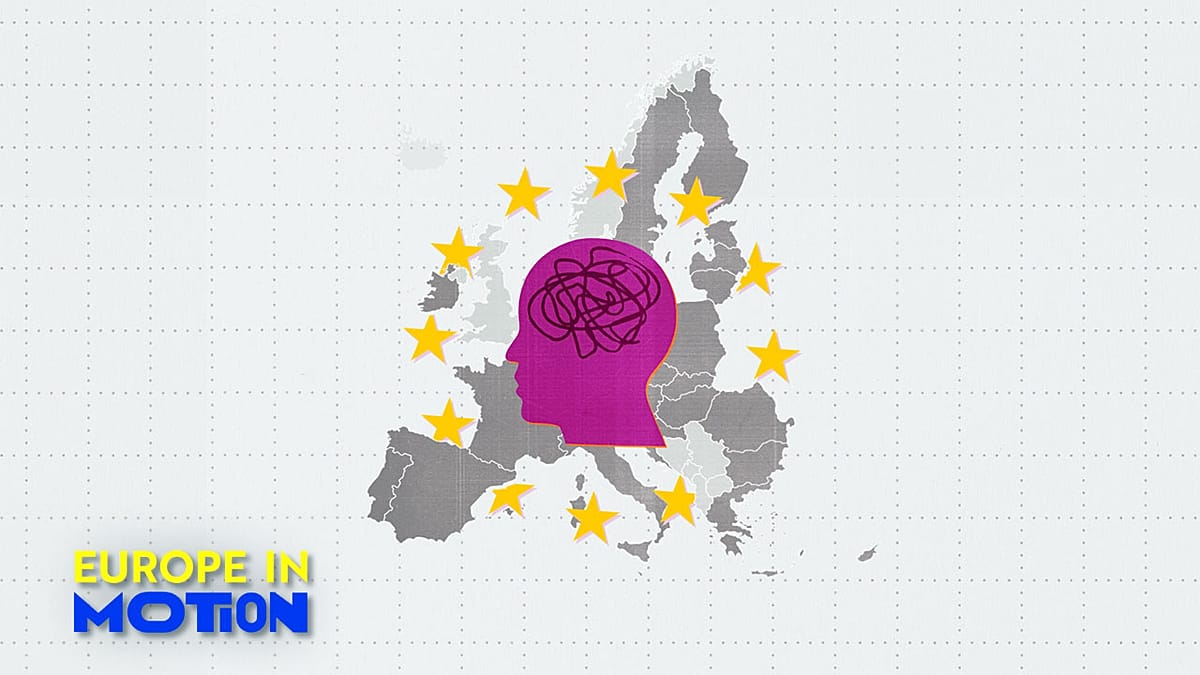
Workers across Europe are grappling with rising geopolitical tensions, soaring living costs, and the relentless march of automation. For many, the advice to seek therapy feels like a lifeline—but the price tag can be prohibitive. A recent report by Eurofound, the European Union agency focused on improving working conditions, sheds light on how therapy costs vary dramatically across the continent, and which workers are most vulnerable to burnout.
Where Therapy Is Cheapest
France and Spain stand out as the most affordable destinations for mental health care. In France, a private session typically costs between €50 and €80, and the public healthcare system covers up to 60% of that, capped at €50. Private insurance often picks up the remainder for those who have it. In Spain, prices can dip even lower, with a session costing up to €70. Private insurance, covering about one in four Spaniards, usually reimburses between 15 and 20 sessions.
Ireland also offers relatively accessible therapy. Session costs range from €60 to €90, and when stacked against local wages, 10 private sessions amount to just 32% to 48% of a monthly minimum salary. Health insurance often covers part of the bill, making it one of the more manageable options in Europe.
The Costliest Countries for Therapy
Germany presents a stark contrast. According to Eurofound, private insurance does not cover psychotherapy sessions. A single appointment can cost between €100 and €150, meaning 10 sessions can consume anywhere from two-thirds to an entire minimum wage. Romania is the extreme case: 10 private sessions can match or even reach two and a half times the monthly minimum wage, and private insurance offers no coverage. Greece shows a similar picture, with 10 sessions costing up to 170% of a monthly minimum wage, though private insurance may provide some relief in certain cases.
Denmark also ranks among the most expensive, with costs up to 175% of minimum wage. However, the state reimburses about 40% of the cost, and supplementary insurance—covering nearly three million Danes—often covers an additional share.
Which Workers Are Most at Risk of Burnout?
Eurofound’s research highlights that negative working conditions—such as job insecurity, harassment, conflicting demands, and excessive workloads—take a heavy toll on mental health. Sectors involving direct customer contact are hit hardest. Healthcare and social workers report the highest rates of emotional exhaustion, with 24.5% feeling often or always drained. A key factor is the need to hide emotions “most or all the time,” which significantly contributes to stress.
Accommodation and food services follow closely, with nearly 23% of respondents affected. Here, the fast-paced environment is the main culprit, with employees struggling under high speed and tight deadlines. Educators rank third, with around 20% feeling mentally exhausted, often due to similar pressures to suppress their feelings.
The findings underscore a broader crisis: work-related stress kills an estimated 840,000 people annually, with Europe particularly hard hit, as reported in a separate ILO report. As EU leaders debate policies to address mental health, the affordability of therapy remains a critical barrier for many workers.