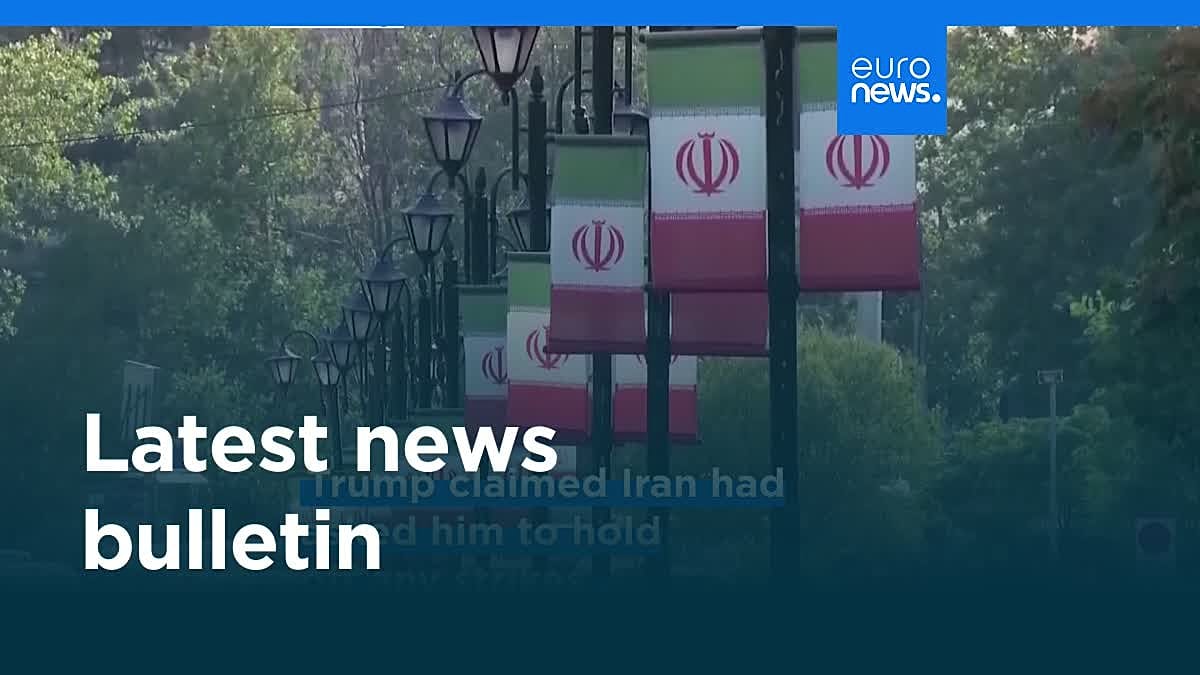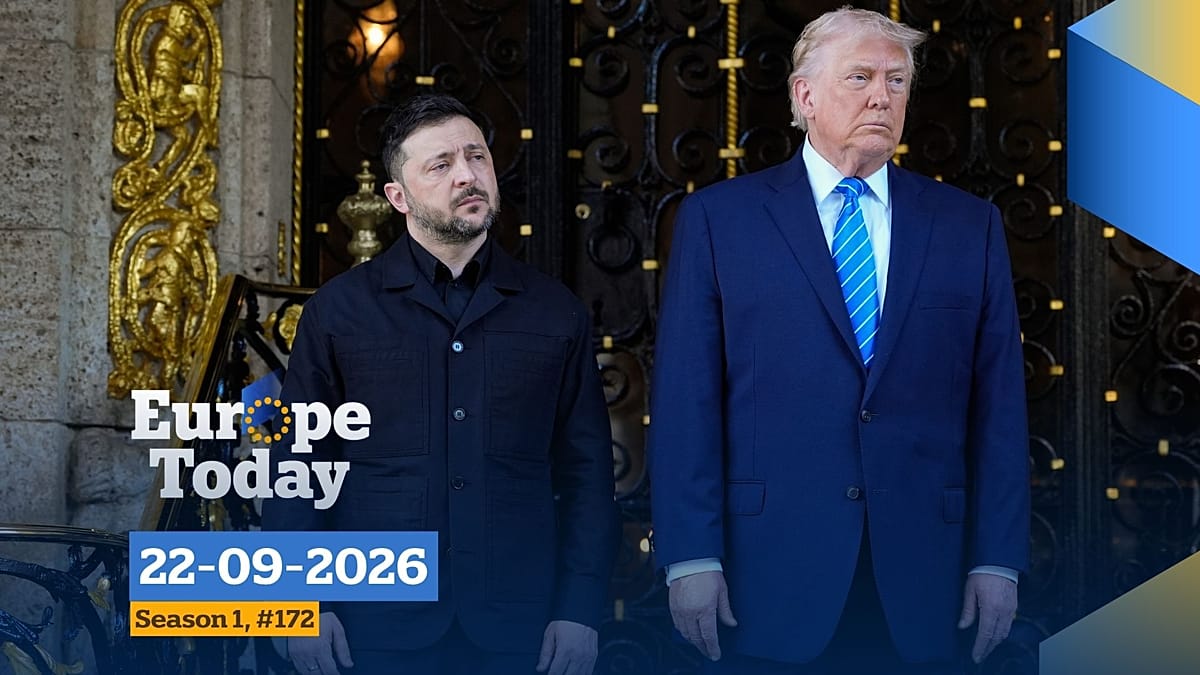
Donald Trump and Volodymyr Zelenskyy are scheduled to hold talks on the margins of the UN General Assembly, with the war in Ukraine high on the agenda. The encounter comes as European diplomats in Brussels failed to reach consensus on renewing the bloc's sanctions regime against Russia, which was due to expire today.
The timing is awkward for the EU, which has sought to present a united front on Russia since the full-scale invasion of Ukraine in February 2022. Ambassadors meeting in Brussels could not bridge differences over the extension, leaving the sanctions in legal limbo. The impasse underscores how difficult it has become to maintain unanimity among the twenty-seven member states as the war drags on and economic pressures mount.
Macron and Trump meet in New York
French President Emmanuel Macron met Trump in New York, in a encounter that touched on transatlantic coordination and the prospects for ending the conflict. The Élysée has not released a full readout, but the meeting is part of a broader European effort to keep Washington engaged on Ukraine's terms. Macron has positioned himself as a bridge between European capitals and the Trump administration, though the French president's room for manoeuvre is limited by domestic political constraints and the Cinquième République's tradition of presidential diplomacy.
Trump's approach to the war has unsettled many European governments. He has repeatedly suggested he could end the fighting quickly, without spelling out how, and has questioned the scale of US support for Kyiv. European leaders fear a deal imposed on Ukraine that would reward Moscow's aggression and leave the continent less secure.
Sanctions stalemate in Brussels
The failure to extend the sanctions is a setback for the EU's collective response. The measures target Russian officials, oligarchs, banks and energy interests, and their lapse would send a signal of division at a delicate moment. Diplomats have been negotiating for weeks, with some member states seeking carve-outs or reassurances on economic impact. The question of delisting individuals, including figures such as Alisher Usmanov, has been part of the discussion, according to people familiar with the talks.
EU officials insist the talks are ongoing and that a solution can still be found. But the deadline has passed, and the bloc's credibility as a sanctions enforcer is on the line. Hungary has been the most vocal sceptic of further measures, though other governments have also raised concerns about the cost to their economies.
Meanwhile, the war itself continues. Russian drones struck Zaporizhzhia in the wake of Kyiv's large-scale aerial response, a reminder that the battlefield dynamic remains volatile. Ukraine's Deputy Prime Minister for European and Euro-Atlantic Integration, Vsevolod Chentsov, has been making the case in Brussels and other capitals for continued support and a clear path toward EU membership.
Migration and the wider agenda
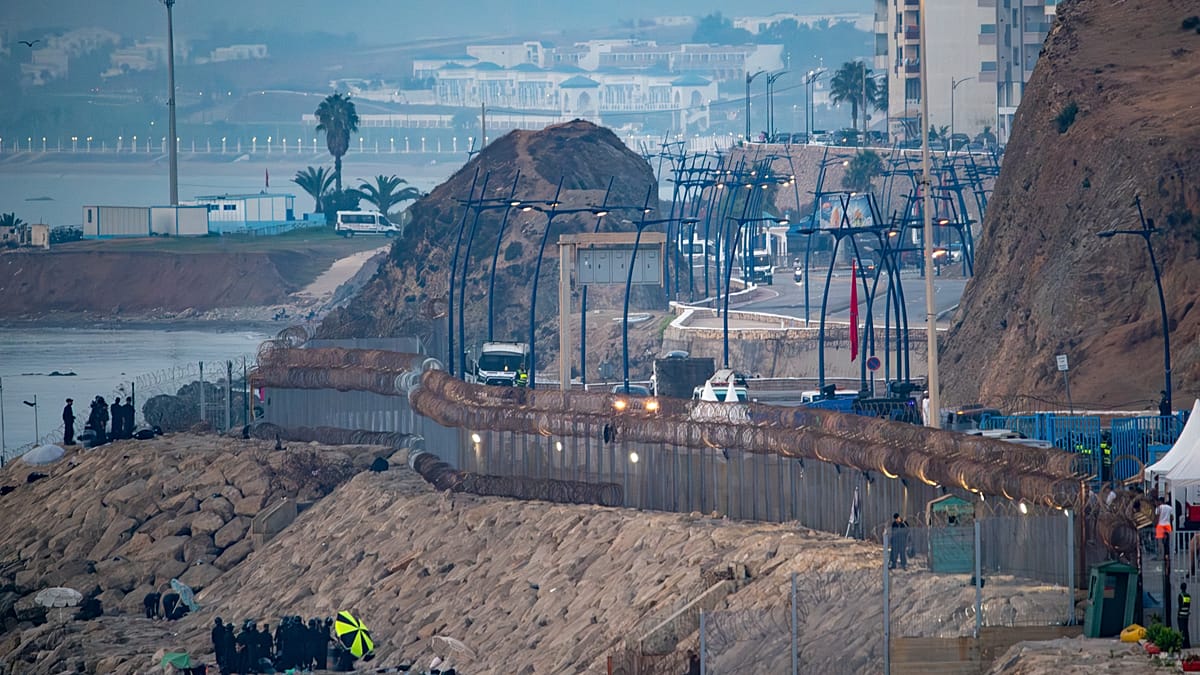
The UN General Assembly has also brought other European concerns to the fore. A recent overhaul of the EU's migration rules would allow governments to establish detention centres in countries outside the bloc, but questions remain over funding and legal oversight. Greek Deputy Foreign Minister Tasos Chatzivasileiou has been among those discussing the practicalities, as frontline states seek more burden-sharing from their partners.
For Ukraine, the coming days will be about more than symbolism. Zelenskyy needs to keep Washington and European capitals aligned, even as the EU's own sanctions machinery stalls. Trump, for his part, appears to relish the role of dealmaker, but European leaders want any settlement to be durable and to uphold Ukraine's sovereignty.
The meeting between Trump and Zelenskyy will be watched closely in Berlin, Paris, Warsaw and the Baltic states, where the threat from Moscow is felt most acutely. If the EU cannot even renew its sanctions, the question of how it will help guarantee any future peace becomes harder to answer.