Twelve European nations have called on the European Union to significantly expand its engagement in the Arctic, warning that the region is becoming a focal point of geopolitical rivalry involving Russia, China, and the United States. In a joint statement issued after the European Arctic Summit in Rovaniemi, northern Finland, the countries urged Brussels to adopt a more strategic and proactive posture in the European Arctic.
The summit, held on Monday, brought together German Chancellor Friedrich Merz, Danish Prime Minister Mette Frederiksen, and French Foreign Minister Jean-Noël Barrot, among other senior officials. Their discussions underscored a growing consensus that the Arctic is no longer a peripheral concern but a central element of European security.
Speaking to reporters, the EU's top diplomat, Kaja Kallas, stressed the need for vigilance in the face of heightened Russian military activity and China's expanding interests in the region. "It is clear that this is part of the security architecture of Europe," Kallas said, adding that the bloc would unveil a new Arctic strategy in October with security as its core focus.
A strategic gateway under pressure
The Arctic serves as a vital corridor linking North America and Europe, hosting crucial shipping lanes, communication cables, and trade routes. But in recent years, it has transformed into a theater of strategic competition. According to NATO, Moscow has significantly increased its military footprint, establishing a dedicated Arctic Command, reopening old bases, and testing advanced weapons systems. Beijing, for its part, has shown keen interest in the region's critical minerals, energy reserves, and potential new communication lines.
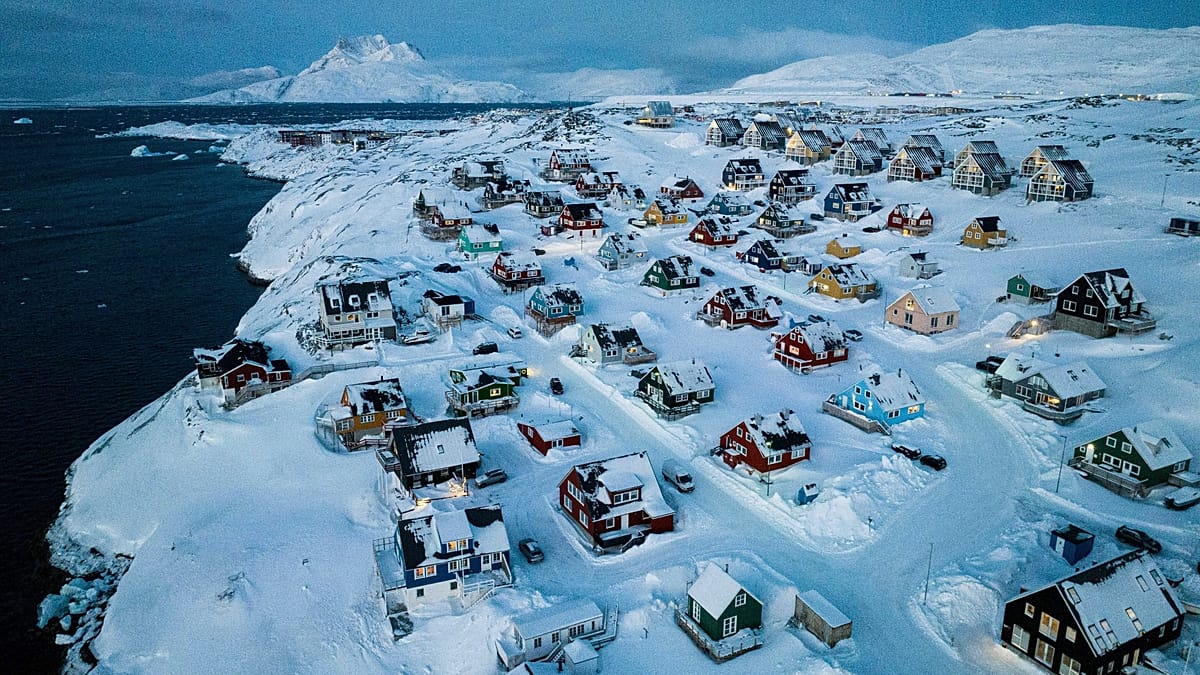
The Rovaniemi meeting came just weeks after European Commission President Ursula von der Leyen visited Greenland, signaling the EU's determination to counter US President Donald Trump's repeated calls for Washington to acquire the island. During her trip, von der Leyen announced a €200 million partnership with the autonomous Danish territory, with investments slated for this year and next. Brussels hopes this financial commitment will reinforce Greenland's ties to Europe and deter external ambitions.
Trump has justified his interest in Greenland on "national security" grounds, arguing that China or Russia might otherwise gain control. His remarks have drawn sharp rebukes from European leaders, who view any attempt to redraw Arctic borders as unacceptable. The US currently operates a single military installation on the island—the Pituffik Space Base, the Pentagon's northernmost facility—a far cry from the 17 bases and over 10,000 troops stationed there during the Cold War.
The European push for a stronger Arctic role reflects broader concerns about the region's future. As ice melts and new shipping routes open, the potential for economic gain and strategic advantage grows. Yet, as Kallas noted, security must remain paramount. The upcoming EU strategy is expected to balance economic interests with defense and environmental considerations.
For the twelve nations behind the statement, the message is clear: Europe cannot afford to be a bystander in the Arctic. With Russia modernizing its northern fleet and China eyeing new opportunities, the EU must act decisively to protect its interests and uphold its values. The Rovaniemi summit may mark a turning point, but the real test will be whether Brussels translates rhetoric into concrete action.
As the EU prepares its new Arctic strategy, the continent's leaders are also mindful of the human dimension. Indigenous communities and local populations, such as those in Greenland and northern Scandinavia, must be partners in any future development. The challenge lies in balancing security needs with sustainable growth and respect for the region's unique environment.
The coming months will be crucial. With the strategy due in October, EU member states will need to align their priorities and resources. The Rovaniemi declaration provides a foundation, but the hard work of implementation lies ahead. For now, the twelve nations have made their position clear: the Arctic is Europe's backyard, and Europe intends to stay.