New figures from the UK Home Office show asylum applications fell by more than a fifth in the year to June, marking the lowest level since 2022. The data, released on Thursday, comes as the Labour government seeks to manage one of the most politically charged issues in British politics.
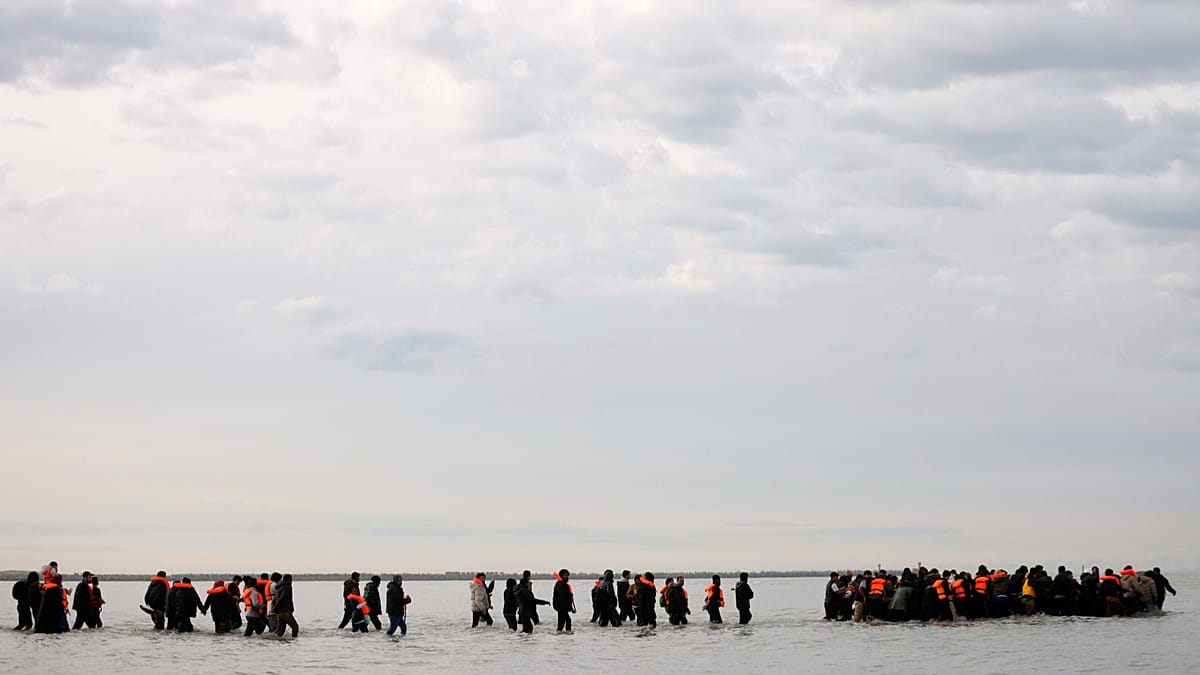
A total of 85,891 people applied for asylum in the 12 months to the end of June, a 21% decrease compared with the previous year. The Home Office attributed the decline to a combination of factors, including a 23% drop in arrivals via small boats across the English Channel—a route that has become a flashpoint for the far right and a central challenge for successive governments.
Labour, which took office in July 2024, has insisted that its strategy of disrupting smuggling networks “upstream” in Europe is working. Interior Minister Shabana Mahmood, who retained her post under new Prime Minister Andy Burnham, said the figures demonstrated that the government was “restoring control” over the asylum system. “A little over two years into office and the asylum backlog is down, the number of asylum seekers in hotels is falling,” she said, while cautioning that ministers were “not complacent.”
Backlog and hotel use decline
The number of applicants awaiting an initial decision fell by 56% year-on-year to 40,168, the lowest since March 2019. The use of hotels to house asylum seekers—a practice that has sparked local protests and drawn criticism from both left and right—also dropped by half, to 16,021. Labour has pledged to end the use of hotels by the end of the current parliament, due in 2029.
Government spending on asylum, including cash support, accommodation, staffing, and some border enforcement, fell by 8% in the 2025/26 fiscal year to £4.36 billion (€5 billion). This marks the second consecutive annual decline, reflecting the reduced pressure on the system.
However, the positive numbers for the government were tempered by a separate report from the Equality and Human Rights Commission (EHRC), the UK’s independent equality regulator and national human rights institution. The EHRC said the government had scored its lowest ranking for its policies on migrants and asylum seekers, criticising “inconsistent action” and a failure to uphold rights in line with United Nations recommendations. The commission identified gaps in social security provisions and a lack of protection from poverty and destitution for those seeking protection.
The juxtaposition of falling numbers with the watchdog’s criticism highlights the ongoing tension between managing migration and meeting human rights obligations. While the government points to operational improvements, human rights groups argue that the system remains harsh and often fails the most vulnerable.
Across Europe, similar debates are playing out. In Spain, the government has moved to align its asylum rules with the EU pact, even as a standoff in Ceuta continues. Meanwhile, Ireland and Sweden have joined efforts to return asylum seekers to Italy under Dublin rules, reflecting a broader continental push for stricter enforcement. The UK’s approach, though outside the EU, remains closely watched by member states grappling with their own migration challenges.
For now, the Home Office’s figures offer Labour a measure of political breathing room. But with the EHRC’s damning assessment and the persistent controversy over small boat crossings, the issue is far from resolved. As Burnham’s government settles in, it will need to balance its promises of control with the legal and ethical obligations that come with providing refuge.