Ukraine has widened its drone offensive against Russian commercial infrastructure, striking four logistics hubs operated by the e-commerce giant Ozon on Monday. The attacks, which hit facilities in the southern regions of Dagestan and Krasnodar, mark the latest phase of a campaign Kyiv says is aimed at disrupting supply networks that support Russia's military.
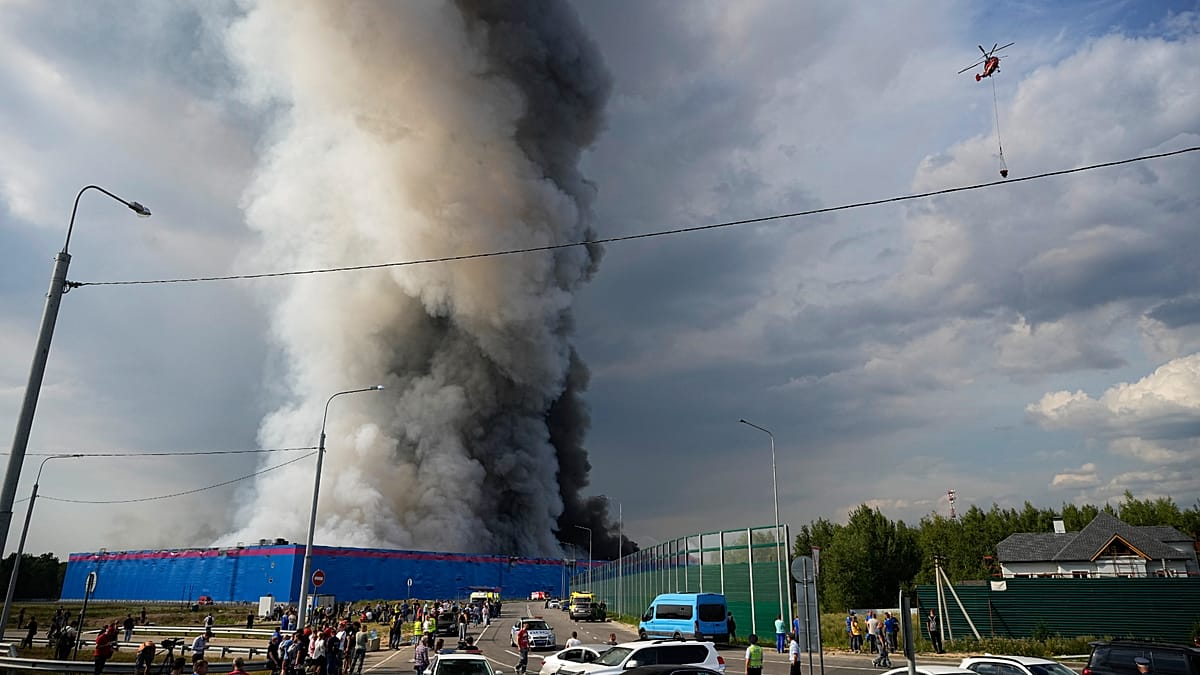
Ozon confirmed that a fire broke out at its centre in Makhachkala, the capital of Dagestan, after a drone strike around 05:00 local time. The company said several people were wounded but their lives were not in danger, and the facility has suspended operations. In Enem, a town in the Krasnodar region, a large fire was reported at another Ozon logistics centre, though staff were evacuated and no casualties were recorded. Warehouses in Adygeysk and Nevinnomyssk were also evacuated due to the drone threat but escaped damage.
The latest incidents bring to six the number of Ozon facilities targeted since Saturday, when Ukraine announced it was shifting its focus to Russia's second-largest online marketplace after weeks of strikes against rival Wildberries. "After Ukrainian units hit the 15 largest logistics hubs of Wildberries, it is now Ozon's turn," Ukraine's defence ministry said in a statement.
Kyiv argues that warehouses operated by these retailers store dual-use goods and form part of supply networks that sustain Russia's military effort. Over the weekend, Ozon facilities in the Samara and Orenburg regions were also targeted, forcing hundreds of employees to evacuate and disrupting operations.
Market impact and broader strategy
The attacks have not only disrupted logistics but also rattled investors. Ozon's shares fell by as much as 12% on the Moscow Exchange on Monday, reflecting the growing vulnerability of Russian commercial infrastructure to Ukrainian long-range strikes.
This campaign is part of a broader Ukrainian strategy to degrade Russia's war economy by hitting targets far from the front lines. While Kyiv has previously focused on oil refineries and military installations, the recent strikes on e-commerce hubs signal a deliberate expansion to include civilian-adjacent logistics that Moscow relies on for both military and civilian supply chains.
The timing is notable, as Western leaders gather in Kyiv to discuss further support for Ukraine. The strikes come amid heightened diplomatic activity, with France pledging new interceptors following a deadly Russian strike on Kryvyi Rih, and Kyiv set to host Coalition of the Willing talks on Ukraine's independence anniversary.
Russian authorities have not commented on the full extent of the damage, but local reports indicate that the fires in Makhachkala and Enem were significant. Ozon, which is listed on the Moscow Exchange and has expanded rapidly across Russia, has not provided a timeline for resuming operations at the affected sites.
Analysts note that the strikes could have a psychological impact on Russian businesses, which have largely remained insulated from the war's direct effects. By targeting e-commerce giants, Ukraine is sending a message that no part of Russia's economic infrastructure is off-limits.
The campaign also raises questions about the effectiveness of such strikes in achieving military objectives. While they disrupt logistics and cause financial losses, they also risk alienating civilians who rely on these services. However, Kyiv maintains that the dual-use nature of the warehouses justifies the attacks.
As the war enters its third year, Ukraine's drone programme has become a key tool in its asymmetric strategy against a larger adversary. The strikes on Ozon and Wildberries demonstrate a willingness to innovate and adapt, targeting vulnerabilities that Moscow may have overlooked.
For now, the immediate focus is on containing the damage and assessing the operational impact. But the broader message is clear: Ukraine intends to keep the war economy under pressure, and Russian commercial giants are no longer safe havens.