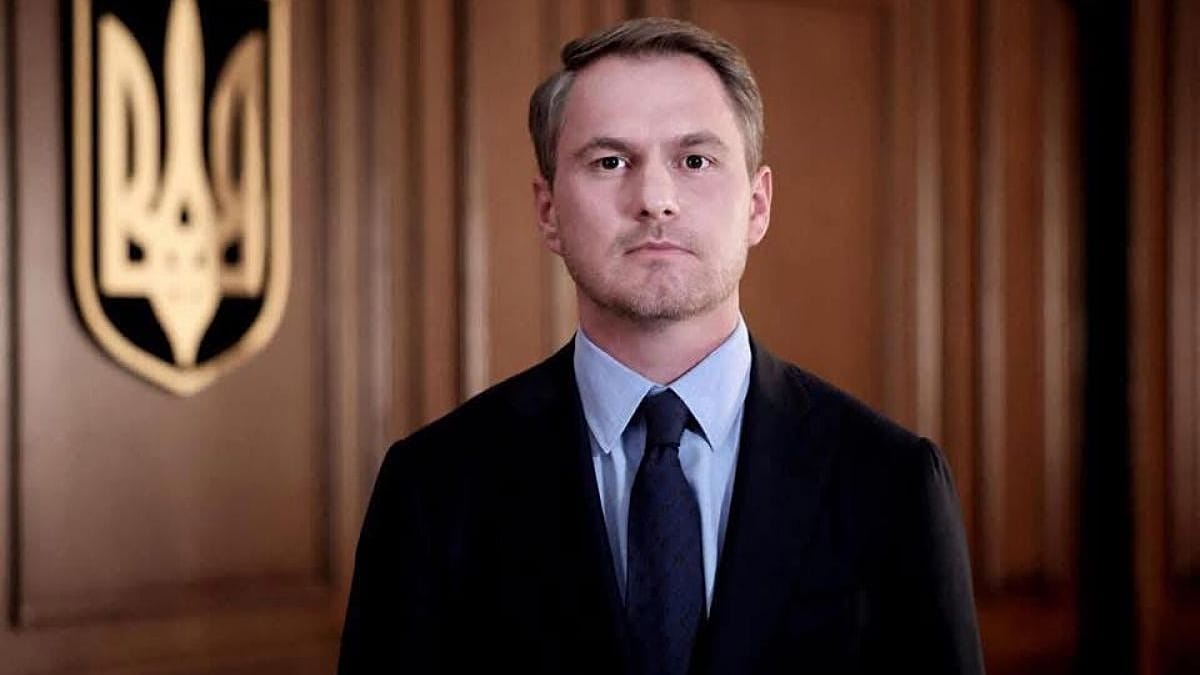
Ukrainian President Volodymyr Zelenskyy has suspended Prosecutor General Ruslan Kravchenko, hours after reports emerged that he had crossed the border into a neighbouring country. The move follows Kravchenko's resignation on 7 September, submitted while anti-corruption investigators were examining alleged criminal activity within his own office.
According to Ukrainian media citing law-enforcement sources, Kravchenko left Ukraine overnight. In a video released on Monday, he claimed to have signed a notice of suspicion against Semen Kryvonos, the director of the National Anti-Corruption Bureau (NABU). Kravchenko alleged that Kryvonos had forged official documents to obtain an unlawful benefit.
Kryvonos rejected the accusation, telling reporters later that day that he had neither seen the notice nor been formally served with it. NABU and the Specialised Anti-Corruption Prosecutor’s Office (SAPO) described Kravchenko’s actions as part of what they called a “systematic attack” on Ukraine’s independent anti-corruption institutions.
Zelenskyy acts swiftly
President Zelenskyy intervened on Monday, signing a decree that suspended Kravchenko and asking parliament to dismiss him. “This prosecutor general has only one path ahead: dismissal from office,” Zelenskyy said, urging lawmakers to act without delay. The relevant parliamentary committee has backed the request, with a vote expected on Tuesday.
The confrontation between the Prosecutor General’s Office and Ukraine’s anti-corruption agencies has been building for months. Investigators from NABU and SAPO allege that a criminal organisation operated within the Prosecutor General’s Office, with officials regularly receiving bribes from fraudulent call centres in exchange for not interfering with their activities. The group is also accused of laundering millions of euros in criminal proceeds.
As part of the probe, investigators searched Kravchenko’s office. NABU also released recordings that refer to a person described as the “boss,” whose patronymic and former position as head of Ukraine’s State Tax Service match Kravchenko’s profile.
The case has drawn attention across Europe, where Ukraine’s fight against corruption is seen as central to its EU integration efforts. The European Union has repeatedly stressed the importance of independent anti-corruption institutions, and has committed significant financial support to Ukraine, including €6.1 billion for Patriot interceptors and drones announced earlier this year.
Kravchenko’s departure comes at a tense time for Ukraine, which continues to face Russian aggression. The country has been hit by record drone barrages and missile strikes, while Kyiv has targeted Russian oil infrastructure to reduce Moscow’s revenue. The political turmoil in Kyiv could complicate efforts to maintain Western support, though allies have so far remained focused on military aid.
Observers in Brussels and other European capitals will be watching Tuesday’s parliamentary vote closely. A dismissal would mark a significant victory for Ukraine’s anti-corruption agencies, but it could also deepen the rift between the prosecutor’s office and the independent bodies that have been praised by Western partners.
For now, the fate of Ruslan Kravchenko rests with Ukraine’s lawmakers. The outcome will signal whether the country’s leadership is willing to back its anti-corruption institutions, even when they target senior officials.