The United States has confirmed a 45-day extension of the ceasefire between Lebanon and Israel, even as new hostilities erupted during the mediated talks in Washington. The State Department announced the extension on Friday, just days before the truce was set to expire on Sunday.
State Department spokesman Tommy Pigott stated that the extension aims to allow further progress toward a durable peace. He added that the State Department will host negotiations on June 2 and 3 to pursue a permanent political agreement, while the Pentagon will convene military delegations from both countries on May 29.
“We hope these discussions will advance lasting peace between the two countries, full recognition of each other's sovereignty and territorial integrity, and establishing genuine security along their shared border,” Pigott said.
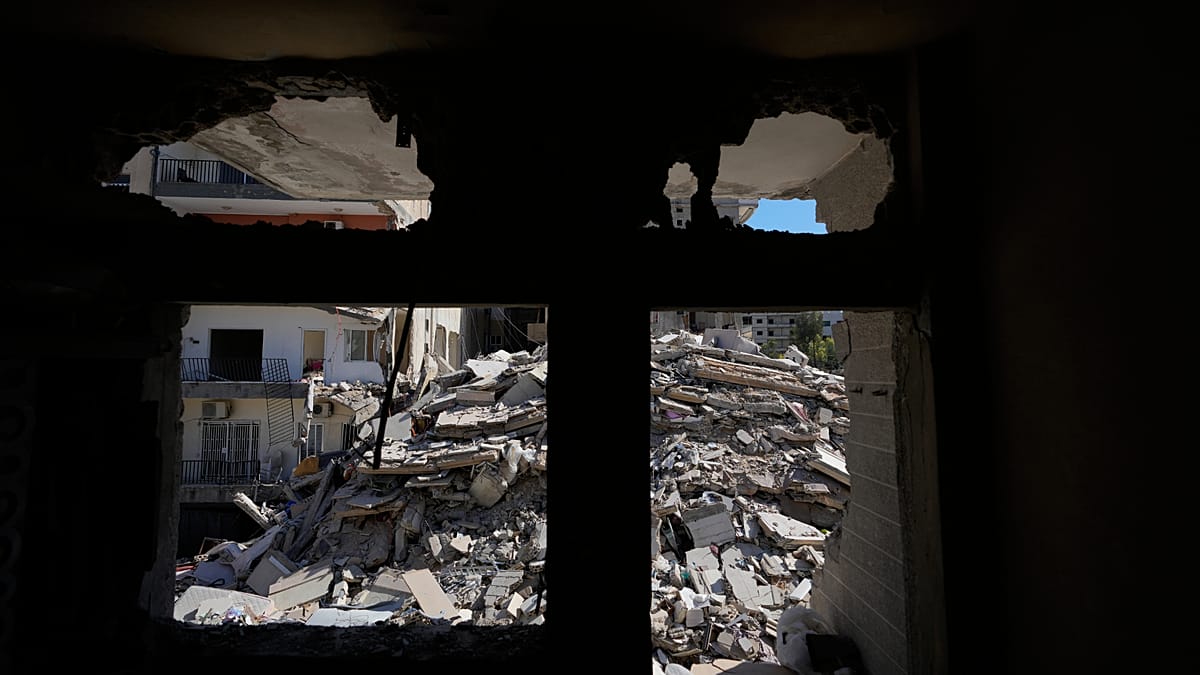
The ceasefire, originally brokered in April, had already been extended once. Despite the diplomatic efforts, Israel continued airstrikes in Lebanon during the talks, and both Israel and the United States maintain that the truce remains in effect. Israel has stated it will keep targeting Hezbollah, the Shia militant group whose attacks in solidarity with Iran triggered the cross-border conflict. Hezbollah is not participating in the Washington negotiations.
European Implications and Regional Dynamics
The extension comes amid broader regional instability that directly affects European security. The European Union has long sought to stabilize the Eastern Mediterranean, and any escalation between Israel and Hezbollah risks drawing in European powers through UNIFIL, the UN peacekeeping force in southern Lebanon, which includes troops from France, Italy, Spain, and other EU member states.
European diplomats in Brussels have expressed cautious optimism about the extension but remain wary of the ongoing violence. The EU's foreign policy chief has repeatedly called for a comprehensive ceasefire and a political solution that addresses the root causes of the conflict, including the disarmament of militias like Hezbollah. A recent Lebanese MP argued that no real ceasefire exists as long as Hezbollah remains armed, a view that resonates in European capitals concerned about regional proliferation of Iranian-backed groups.
The United States' role as mediator underscores the limited direct influence of the EU in this conflict, though European nations remain key donors to Lebanon's struggling economy and host large Lebanese diaspora communities. France, in particular, has historical ties to Lebanon and has pushed for a political settlement that preserves the country's fragile sectarian balance.
Meanwhile, the conflict's spillover effects are felt across the Middle East. In Syria, the foreign minister recently sought a comprehensive security pact with Israel, highlighting the shifting alliances in the region. And in Iraq, the new prime minister has vowed a state monopoly on arms amid US pressure on Iran-backed groups, a move that could influence Hezbollah's supply lines.
The 45-day window provides a narrow opportunity for diplomacy. European observers will be watching closely whether the talks in Washington can produce a framework that reduces the risk of a wider war, which would inevitably send shockwaves through European energy markets and migration routes.