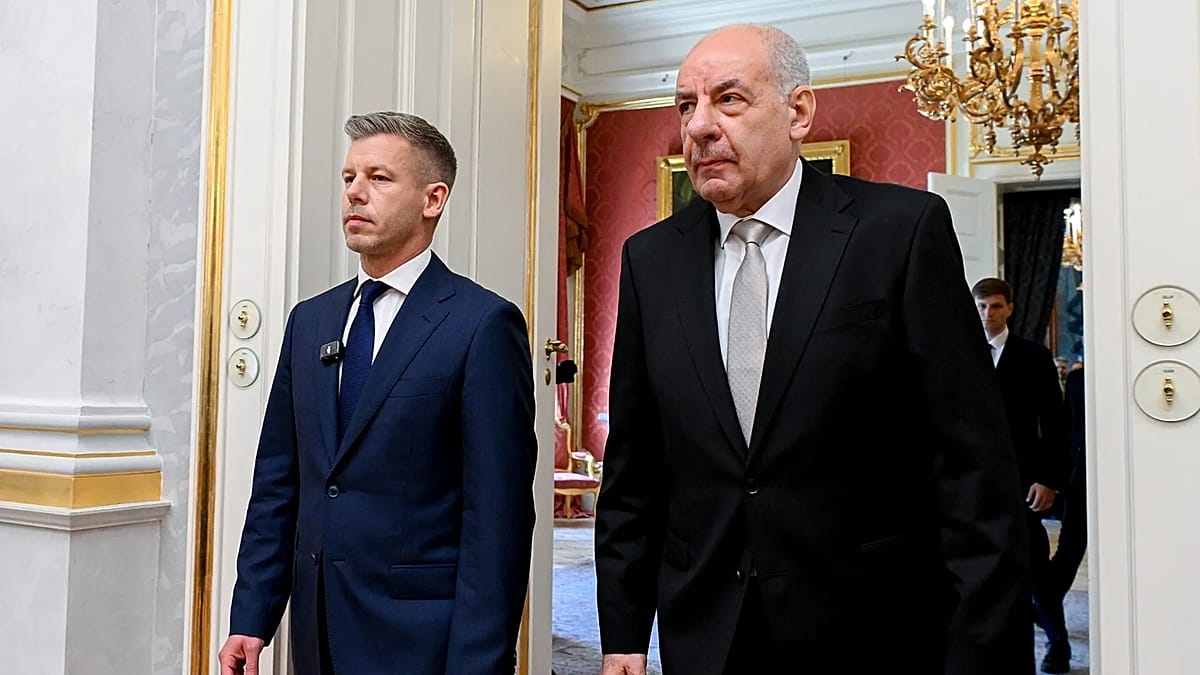
A delegation from the Venice Commission is set to arrive in Budapest on Thursday to examine a constitutional amendment proposed by Prime Minister Péter Magyar's government that would remove President Tamás Sulyok from office. The Commission, which serves as the Council of Europe's advisory body on constitutional law, will conduct the assessment under a fast-track procedure at Sulyok's request.
The amendment, introduced by Magyar's government following his landslide victory in April's elections—which ended former Prime Minister Viktor Orbán's 16-year rule—aims to terminate Sulyok's mandate the day after the amendment takes effect, well before its scheduled expiry in 2029. Magyar has repeatedly called on Sulyok to resign, labeling him "Orbán's puppet," and views the removal as part of a broader effort to dismantle the remnants of Orbán's political order.
Constitutional and Political Stakes
Sulyok has declared the removal bid unlawful and referred the matter to the Venice Commission, which can issue opinions on whether constitutional changes comply with European standards on the rule of law and democratic governance. While its rulings are not legally binding, they carry significant political weight. Both the president and the government have indicated a willingness to meet with the delegation, though the Commission has not disclosed specific meeting details.
The draft amendment also includes provisions to compel several Constitutional Court judges to retire upon reaching the age of 70 and to cap parliamentary mandates at 12 years. The opposition Fidesz party, which Orbán led, has condemned the initiative as unconstitutional and an act of political purging.
This move comes amid a broader reshaping of Hungary's political landscape. Magyar, who has sought to revive regional cooperation, recently revived the Visegrád Four with endorsement from Polish Prime Minister Donald Tusk, signaling a shift in Central European alliances.
The Venice Commission's visit underscores ongoing tensions in Hungary over the balance of power and the rule of law. The outcome of its assessment could influence both domestic and international perceptions of Magyar's government, particularly as it seeks to consolidate its mandate and distance itself from Orbán's legacy.
In a related development, the European Union has been closely monitoring Hungary's adherence to democratic norms. The Commission's opinion, while non-binding, may serve as a benchmark for future EU scrutiny of Budapest's constitutional reforms.