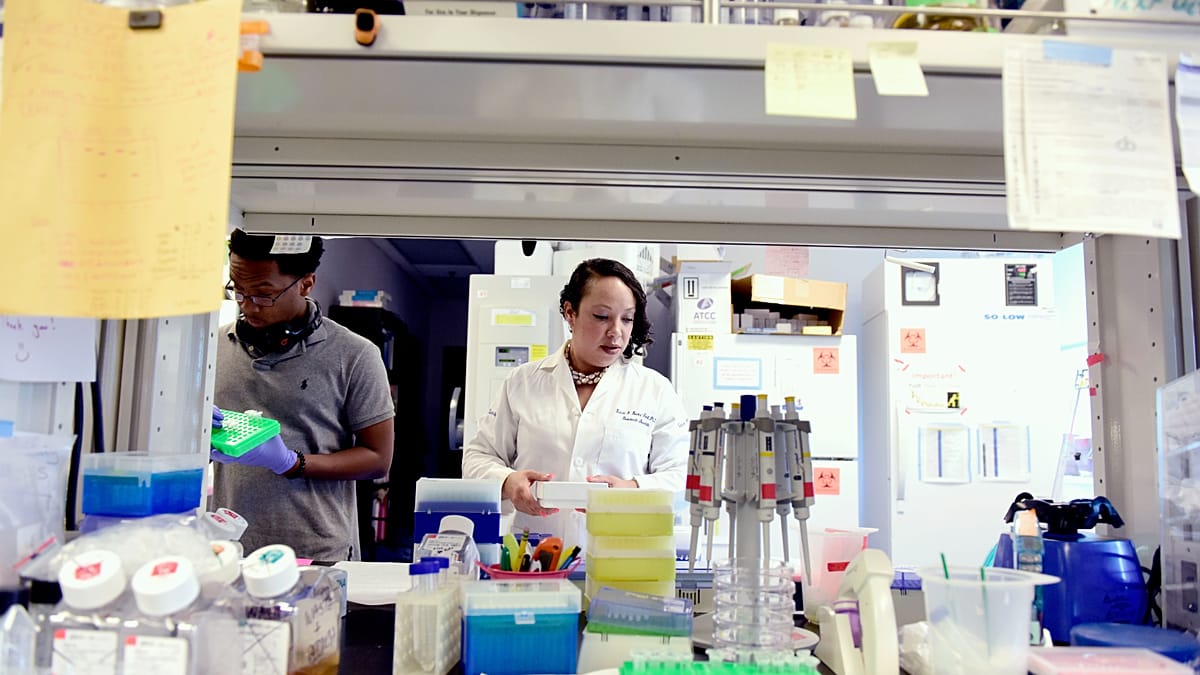
For the first time, scientists have identified and tracked all major viruses associated with cancer development in wastewater, a breakthrough that could transform public health surveillance and prevention strategies across Europe and beyond. The study, led by Anthony Maresso and Justin Clark at the Baylor College of Medicine and published in Applied and Environmental Microbiology, analyzed samples collected between May 2022 and May 2025 from over 40 sites across 16 cities in Texas, covering roughly a quarter of the state's population.
Using an advanced genetic sequencing technique called hybrid-capture, the team simultaneously screened for more than 3,000 known human viruses and potential mutations. This approach allowed them to detect all major oncogenic viruses, including human papillomavirus (HPV), hepatitis B and C, Epstein-Barr virus, cancer-associated polyomaviruses, and the herpesvirus linked to Kaposi's sarcoma.
Why Wastewater Matters for Cancer Prevention
Oncogenic viruses are estimated to cause about one in five cancers worldwide, yet many infections remain asymptomatic for years or even decades. “This makes it very difficult to implement early preventive interventions,” said Maresso, a professor of molecular virology and microbiology. Wastewater monitoring offers a non-invasive, population-level tool to track these viruses in real time, potentially alerting health authorities to emerging risks before clinical cases surge.
The study observed a significant increase in several oncogenic viruses after 2024, particularly HPV, Epstein-Barr virus, and certain polyomaviruses. The researchers suggest this rise may be linked to the resumption of travel, increased interpersonal contact, and the end of Covid-19 distancing measures. While the exact causes remain unclear, the trend underscores the value of continuous surveillance.
Particular attention was given to HPV, with hundreds of types identified but only a subset considered high-risk. “HPV-16 and HPV-18 together cause more than 70% of cervical cancers globally,” explained Clark. The study found that low-risk HPV variants were more widespread, but high-risk variants also showed a notable increase between late 2024 and early 2025. HPV-16 was consistently more common than HPV-18, aligning with previous clinical data.
Another key finding involved the Gardasil 9 vaccine: all nine HPV types targeted by the jab were detected in wastewater. This opens the possibility of using environmental monitoring to assess vaccination campaign effectiveness in real populations, a tool that could be particularly valuable in European countries with varying immunization rates.
“Our study shows that tumour-associated viruses can be monitored through wastewater,” Maresso concluded. “This opens up new opportunities to better understand the relationship between these viruses and the human population.”
For European health systems, which already employ wastewater surveillance for pathogens like SARS-CoV-2 and polio, this research suggests a natural extension. Countries such as the Netherlands, Switzerland, and Finland have robust wastewater monitoring networks that could be adapted to track oncogenic viruses. The method could complement existing screening programs, especially in regions with limited access to clinical testing.
The findings also highlight the need for coordinated European action. As travel and migration connect the continent, a virus detected in one city could signal broader trends. The European Centre for Disease Prevention and Control (ECDC) could integrate such data into its surveillance frameworks, enhancing early warning systems for infection-related cancers.
While the study was conducted in Texas, its implications are global. European researchers are already exploring similar approaches, and the methodology could be applied to monitor other oncogenic agents, such as Helicobacter pylori or liver flukes, which are prevalent in parts of Southern and Eastern Europe.
As the continent grapples with rising cancer rates, wastewater surveillance offers a cost-effective, scalable tool for prevention. The next step will be to validate these findings in European settings and establish standardized protocols for data collection and analysis.