The World Health Organization (WHO) confirmed on Friday a twelfth case of hantavirus connected to the cruise ship MV Hondius. The latest infection involves a crew member who disembarked in Tenerife and was subsequently repatriated to the Netherlands, where the individual has remained in isolation since arrival.
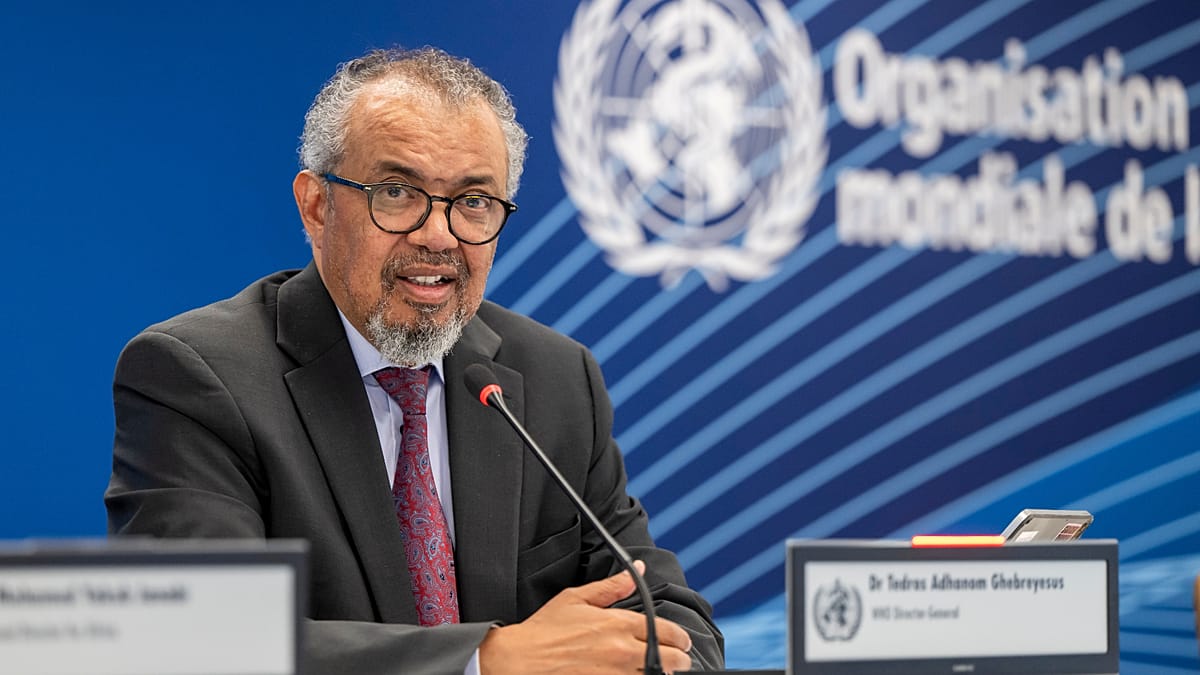
Speaking at a press conference, WHO Director-General Tedros Adhanom Ghebreyesus stated that the death toll remains unchanged at three, with no further fatalities recorded since 2 May, the date the outbreak was first reported to the agency. “We continue to urge affected countries to monitor all passengers closely for the remainder of the quarantine period,” Tedros said, emphasising the importance of vigilance.
Ongoing Monitoring and International Cooperation
The WHO chief noted that more than 600 potential contacts in 30 countries are still being tracked, though “a small number of high-risk contacts” have yet to be traced. The agency has thanked the nations that have cooperated in the epidemiological investigation, including Argentina, Cabo Verde, Chile, the Netherlands, South Africa, Spain and the United Kingdom.
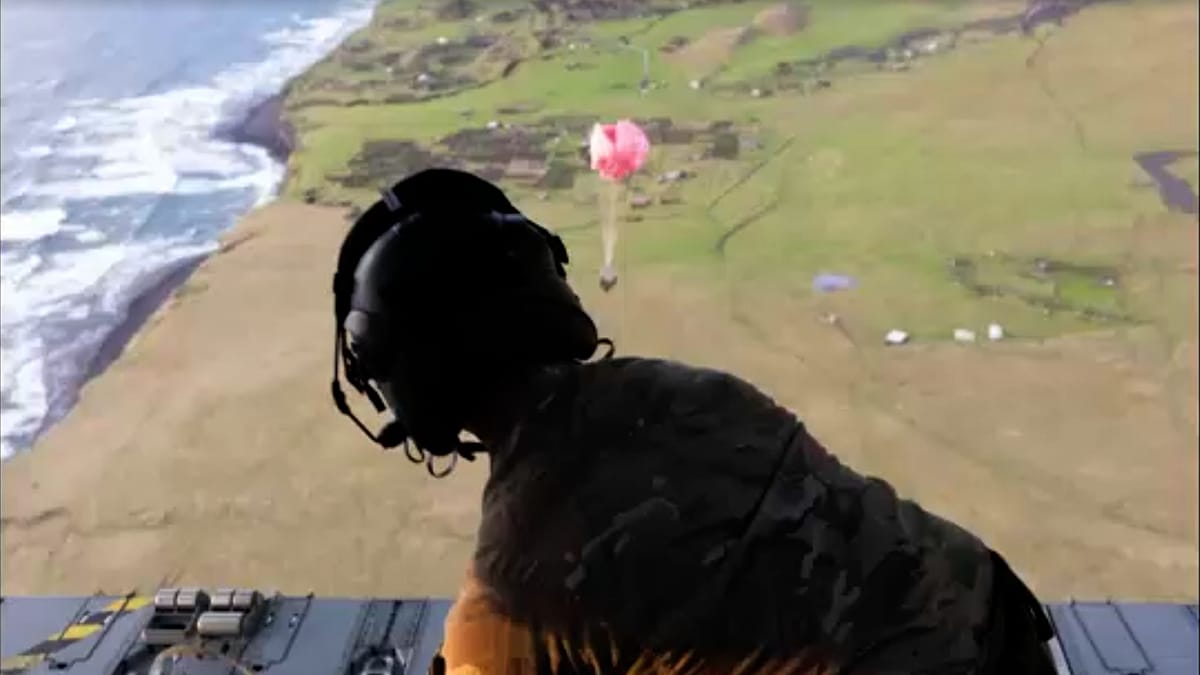
The outbreak has prompted a range of responses across Europe. In Spain, authorities have eased quarantine measures for contacts who tested negative after 28 days, while in Portugal, the first suspected case tested negative, according to the Direção-Geral da Saúde. Meanwhile, the UK military air-dropped medics to the remote island of Tristan da Cunha as a precautionary measure.
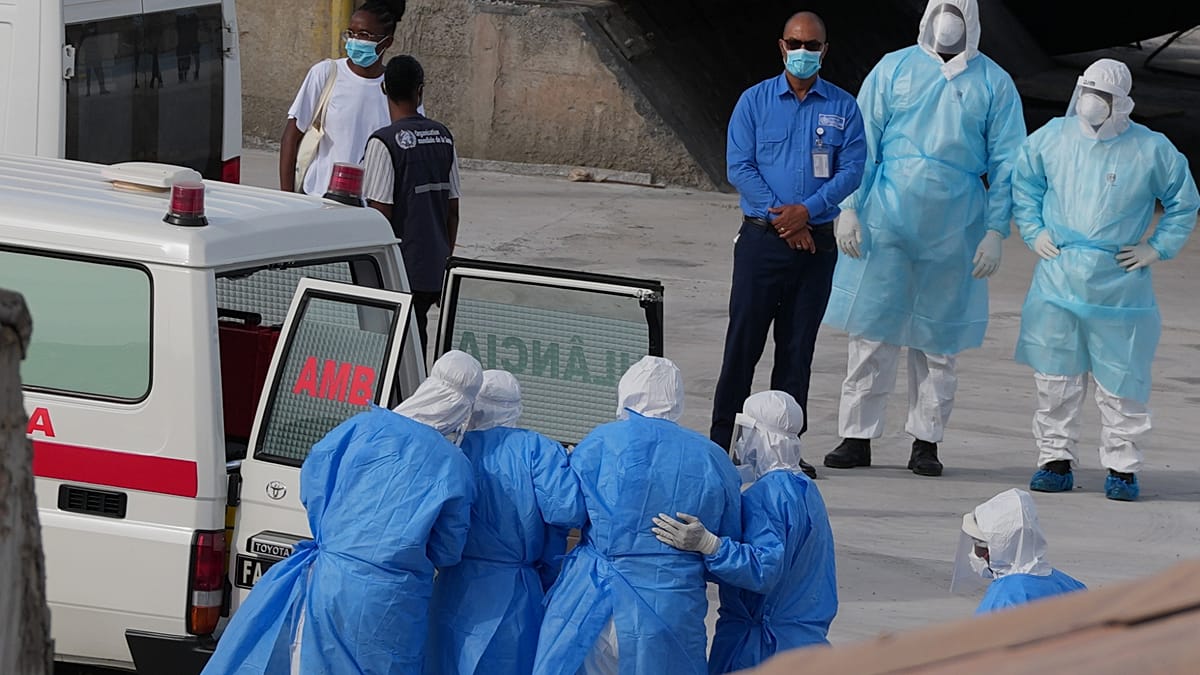
The MV Hondius, a polar expedition vessel, had docked in Tenerife earlier this month, sparking local concern. However, residents in Tenerife remained calm as health authorities managed the situation. Earlier, three individuals were evacuated from the ship in Cape Verde over suspected hantavirus symptoms.
Hantavirus, which can cause severe respiratory illness, is typically transmitted through contact with rodent droppings or urine. The current outbreak on the MV Hondius is unusual due to its link to a cruise ship, prompting heightened surveillance across multiple jurisdictions. The WHO continues to coordinate with national health agencies to ensure all contacts are accounted for and to prevent further spread.