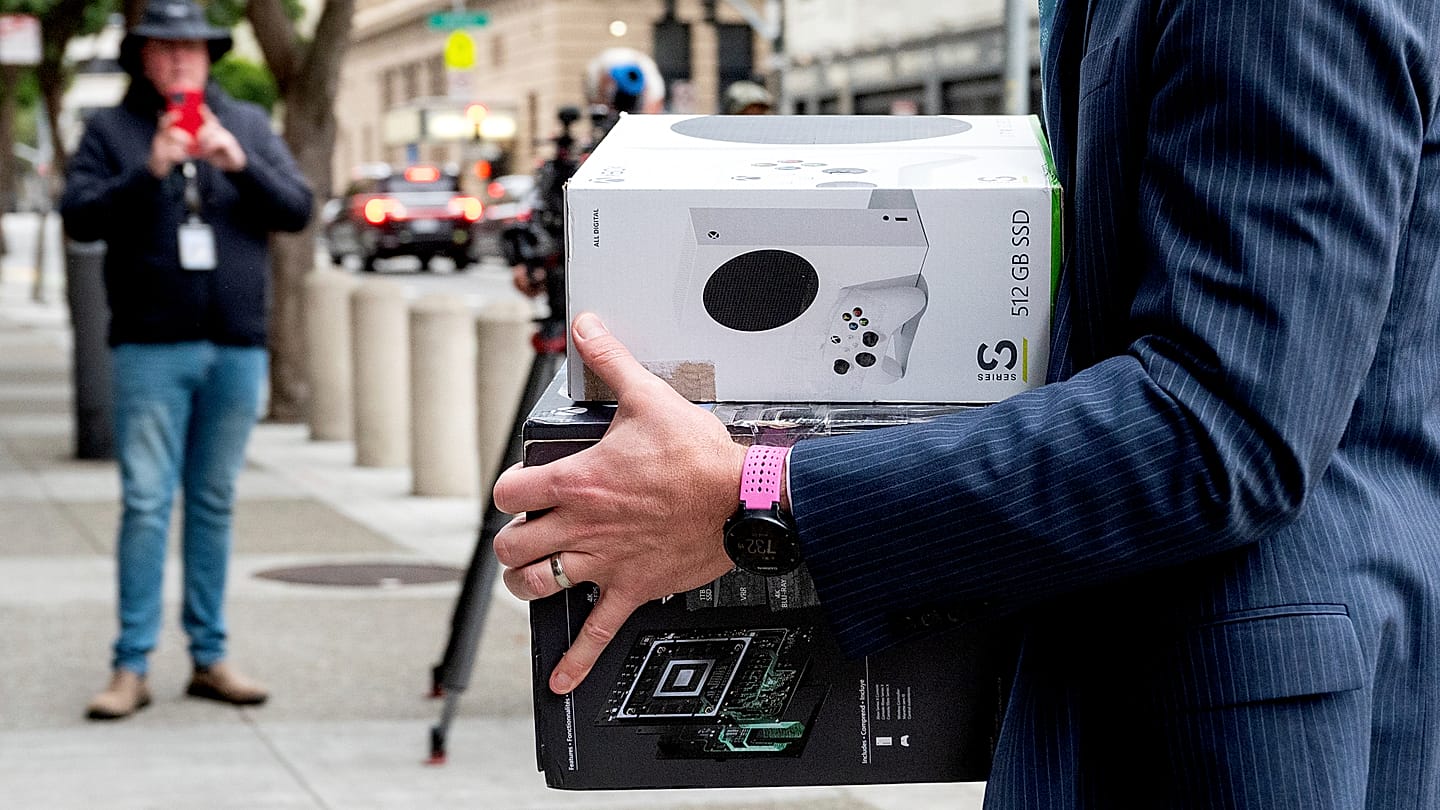
Microsoft and Apple have announced price increases for their Xbox consoles, Macs, and iPads, with hikes reaching up to $300 (approximately €265) or 25% depending on the product. The move is driven by a surge in memory chip costs, fueled by the booming artificial intelligence sector, which has created unprecedented demand for high-bandwidth memory and other semiconductor components.
The price adjustments affect a range of products popular across Europe, from the Xbox Series X in Berlin and Paris to MacBook Airs in Stockholm and iPads in Warsaw. For European consumers already grappling with inflation, these increases add another layer of cost to essential tech purchases.
Why Chip Prices Are Rising
The root cause lies in the AI boom, which has dramatically increased demand for advanced memory chips, particularly HBM (high-bandwidth memory) used in AI accelerators. Companies like Micron, Samsung, and SK Hynix have shifted production capacity to meet this demand, squeezing supply for consumer electronics. As Micron's AI-driven surge shows, net profits have soared 15-fold, reflecting the industry's pivot toward AI-related components.
This shift has created a ripple effect across the supply chain. Memory chips that power gaming consoles, laptops, and tablets are now more expensive to produce, and manufacturers are passing those costs to consumers. The price hikes are not uniform: some models see modest increases, while others, particularly high-end configurations, face steeper jumps.
Impact on European Markets
European consumers are particularly exposed, as the continent relies heavily on imported electronics. The price increases come at a time when the EU is pushing for greater semiconductor self-sufficiency through initiatives like the European Chips Act, but production capacity remains concentrated in Asia and the United States. For now, buyers in cities like Madrid, Milan, and Munich will have to pay more for their next console or laptop.
The timing is also challenging for Microsoft and Apple, both of which face scrutiny over pricing strategies in Europe. Apple, in particular, has faced regulatory pressure from the European Commission over its App Store policies and tax arrangements. The price hikes could reignite debates about corporate pricing power in the single market.
Broader Economic Context
The chip shortage is part of a wider trend affecting multiple industries. From automotive to medical devices, semiconductor scarcity has become a recurring theme since the pandemic. The AI boom has intensified this, as data centers and cloud providers compete for the same components. Meanwhile, geopolitical tensions, including US-China trade restrictions, have further disrupted supply chains.
For European businesses, the situation underscores the need to diversify chip sources. Investments in domestic fabrication plants, such as Intel's planned facility in Magdeburg, Germany, aim to reduce dependency, but these projects take years to come online. In the short term, consumers and companies alike must adapt to higher costs.
The price increases also highlight the interconnectedness of global tech markets. A decision in Silicon Valley or Taipei can quickly affect prices in Lisbon or Vienna. As the AI race accelerates, European policymakers are grappling with how to balance innovation with affordability for citizens.
For now, the advice for European shoppers is to compare prices across retailers and consider refurbished or older models as alternatives. The chip shortage shows no signs of easing, and further price adjustments may follow if demand for AI chips continues to outstrip supply.