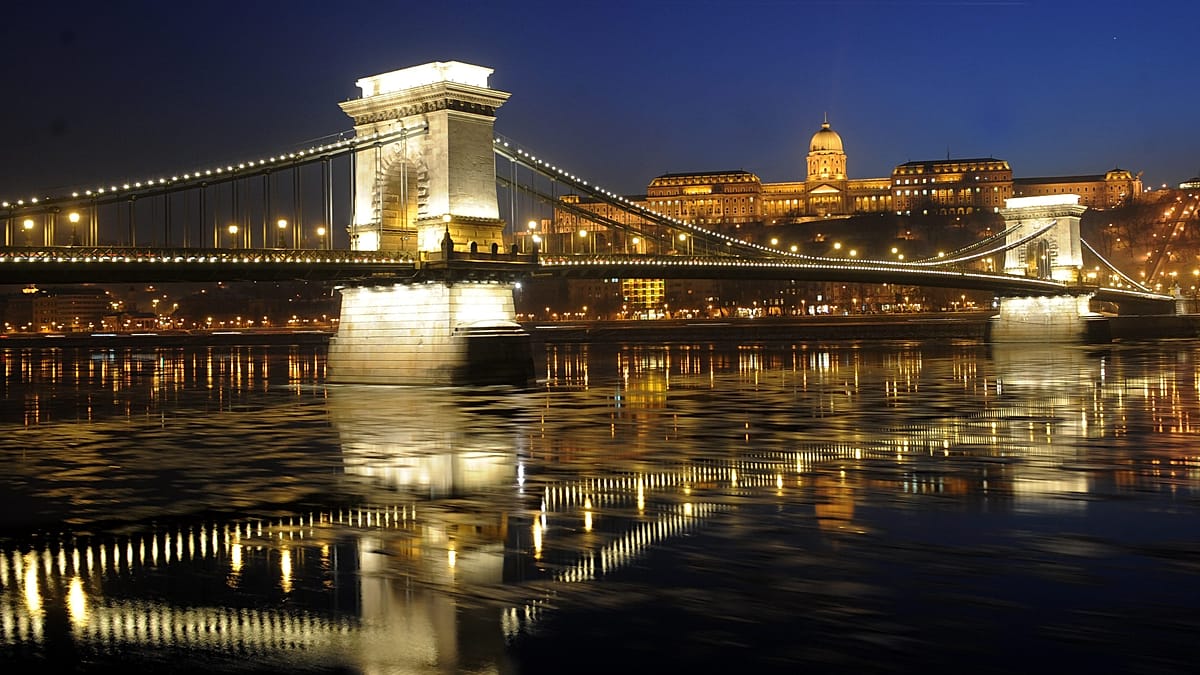
An international research project has used artificial intelligence to assess what makes city centres appealing, and Budapest's historic core has emerged as one of the world's most attractive downtown areas. The study, led by researchers from Corvinus University of Budapest and the Toulouse School of Economics, analysed more than three million street images from 150 cities across 70 countries.
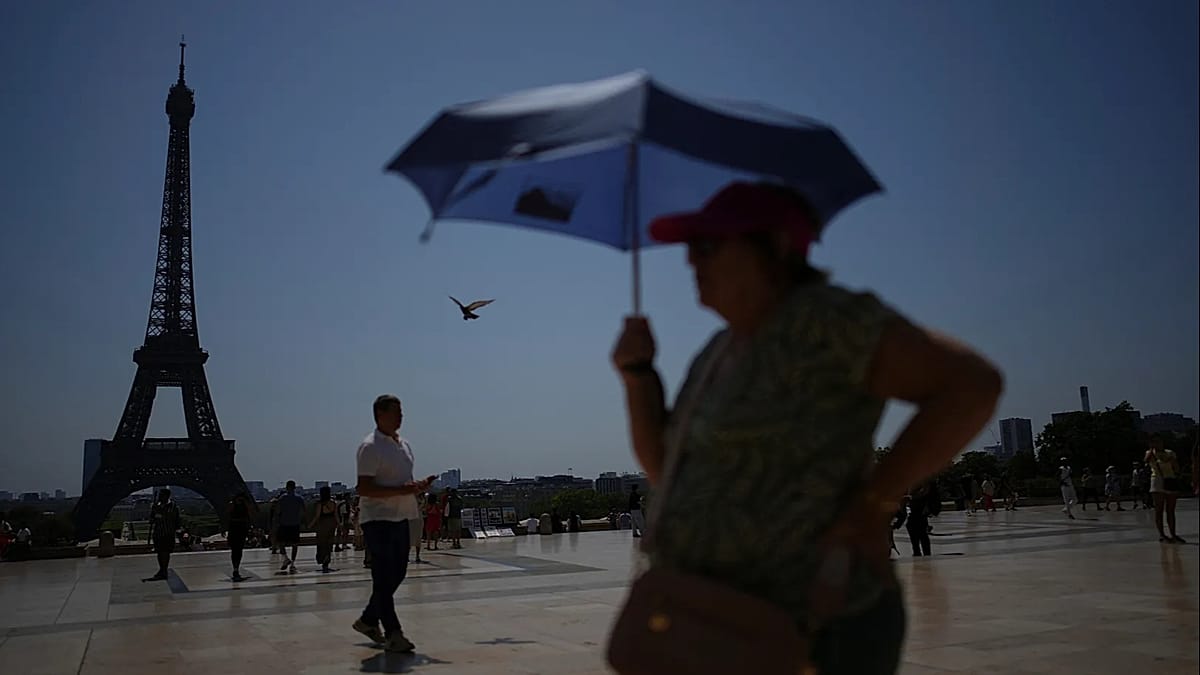
The AI system, part of the StreetPulse project, evaluated urban environments on seven criteria: beauty, perceived safety, vibrant urban life, pedestrian-friendly design, historical character, comfort, and perceived affluence. Within a two-kilometre radius of the city centre, Budapest ranked 10th globally, with an average score of 5.83 out of 10. Paris topped the list with 6.29, followed by Amsterdam, Saint Petersburg, Barcelona, and Vienna.
In Budapest's inner city, the AI gave high marks for historical character (6.38), perceived safety (6.30), and pedestrian-friendly design (6.31). Beauty scored 6.05, and perceived affluence reached 6.40. However, the city's vibrancy of urban life (4.55) and comfort (4.82) were notably lower, suggesting that while the historic centre is world-class, everyday liveability has room for improvement.
Beyond the centre: a tale of two cities
The gap between Budapest's core and the rest of the city becomes apparent when expanding the analysis. Within a five-kilometre radius, the Hungarian capital drops to 15th place, and across the entire urban area it ranks 42nd. In the full-city comparison, Geneva, Amsterdam, and Vienna take the top spots.
This disparity reflects a broader pattern seen in many European cities: historic centres often benefit from investment and tourism, while surrounding districts struggle with infrastructure, green spaces, and social amenities. The study's lead researcher, César Hidalgo, director of the Center for Collective Learning, noted that the platform can help municipalities identify specific problem areas.
"We want to continue developing the StreetPulse platform, assessing cities according to an increasing number of criteria so that we can help municipalities improve the quality of urban spaces," Hidalgo said. "To this end we welcome the involvement of researchers, local authorities, and civil organisations that are ready to work with us."
The project also offers a global comparison based on open-source images from Mapillary and Panoramax, covering more than 160 cities. In that ranking, Venice, Paris, and Amsterdam lead the inner-city list, while Budapest comes 26th. The two methodologies have distinct strengths: Google Street View provides consistent, high-quality imagery but is costly to use, whereas open-source images are cheaper and more reproducible but less frequently updated.
Interactive maps on the StreetPulse website allow users to explore scores for different parts of a city, compare cities, and even contribute by rating pairs of street images. This crowdsourced feedback helps researchers assess how closely AI judgments align with human perception.
The findings are relevant beyond academic curiosity. Local authorities, civil society groups, and businesses can use the data to understand how public spaces shape daily life and to target improvements. For instance, the analysis can reveal how motorways divide neighbourhoods or highlight areas perceived as unsafe.
Budapest's ranking underscores a common European challenge: preserving the charm of historic centres while ensuring that the wider urban fabric remains liveable. As cities across the continent grapple with housing, mobility, and climate concerns, tools like StreetPulse offer a data-driven way to prioritise investments.
For those interested in urban planning and technology, the project also connects to broader debates about Europe's AI ambitions and the infrastructure needed to support them. The use of AI to analyse urban environments is just one example of how the continent is leveraging technology to address real-world challenges.