Albanian Prime Minister Edi Rama has called for calm while blaming unnamed foreign actors for the unrest that has gripped the country for four consecutive days. In a video posted on Facebook on Friday, Rama said, "These are foreign hands that do not wish for Albania to be at peace." He added, "All of this is the work of the very same hand, the hand that has gripped the Albanian opposition by the throat, the hand that has burned and destroyed Albania more than once."
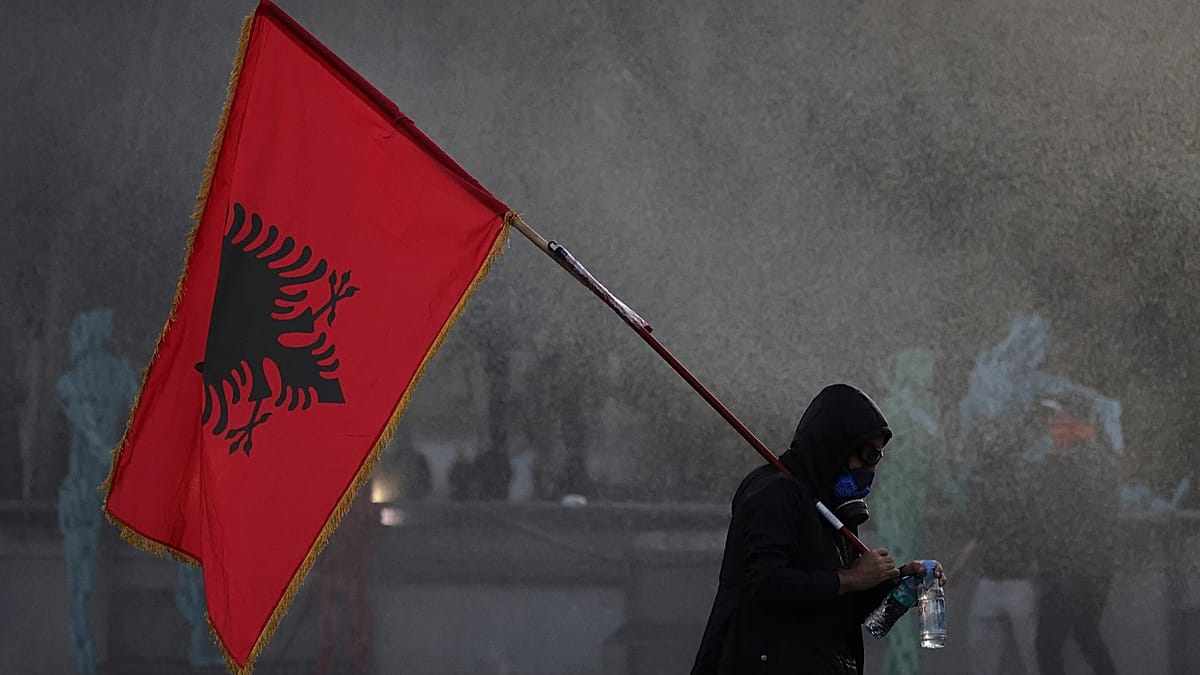
The protests, which began on Tuesday, have drawn thousands of young demonstrators to the streets of Tirana, with many also demanding education reforms. Some protesters smashed windows and damaged traffic lights, while others set rubbish bins on fire to block roads. Police responded with tear gas and water cannon, and reported that 160 people were detained following violent incidents on Thursday evening.
An 18-year-old protester named Ledia told AFP, "We are not criminals. We simply want a better life for our parents and ourselves. We do not want to leave Albania." A high school student, who asked to remain anonymous, criticised the government's response: "The government's indifference and arrogance since the beginning of our movement have been unbearable and have made the situation worse."
Beyond Tirana
The demonstrations have spread beyond the capital to other Albanian cities, with students boycotting classes amid growing anti-government sentiment. This week's escalation follows months of protests against perceived corruption and inequality, including demonstrations against a luxury tourism project linked to Ivanka Trump and Jared Kushner, which has become a symbol of alleged graft in the country.
The European Union delegation in Albania expressed concern on Wednesday over "the violent escalation at the protest in Tirana" and called for a proportionate response from the authorities. The EU's stance reflects broader worries about stability in the Western Balkans, a region where Brussels has been seeking to strengthen its influence.
Rama's Socialist Party secured a fourth consecutive election victory last year, with the next parliamentary elections not scheduled until 2029. His government has set a target of joining the European Union by 2028, a goal that now appears increasingly challenging amid the ongoing unrest.
The prime minister's accusation of foreign interference echoes similar rhetoric used by leaders in the region, but analysts note that domestic grievances, including high youth unemployment and a lack of opportunities, are likely driving the protests. Many young Albanians see emigration as their only option, a trend that has long concerned European policymakers.
As the standoff continues, the international community will be watching closely. The EU has previously urged dialogue and restraint, while the United States has maintained a cautious stance. The situation in Tirana is a reminder of the fragile political landscape in the Balkans, where earlier protests had already raised alarm.
For now, Rama shows no sign of stepping down, and the opposition shows no sign of backing off. The coming days will test both the government's resolve and the protesters' endurance, with potential implications for Albania's European aspirations.